
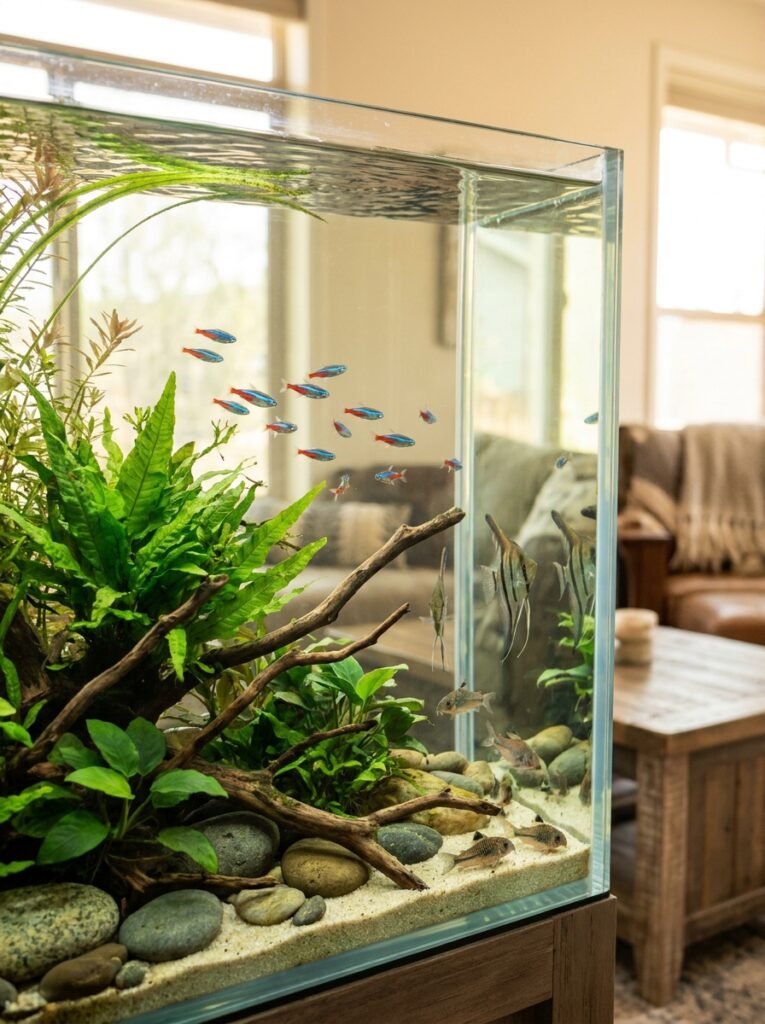
One of the most exciting parts of setting up an aquarium is choosing the fish.
It’s also where many beginners make their biggest mistakes.
A group of fish may look peaceful together in a store display, but that doesn’t always mean they’ll thrive in the same aquarium at home. Different species have different personalities, activity levels, space requirements, and social behaviors.
The good news is that building a peaceful community aquarium isn’t nearly as complicated as it might seem.
Once you understand a few basic compatibility principles, choosing fish becomes much easier. Instead of guessing, you’ll be able to create a balanced aquarium where the fish can live comfortably together and the entire setup feels calm and enjoyable to watch.
In this guide, we’ll walk through the factors that matter most when selecting compatible fish for a community aquarium.
Why Fish Compatibility Matters
Fish compatibility affects far more than whether fish simply tolerate each other.
Compatible fish often display more natural behavior, experience less stress, and create a more stable aquarium environment. When species are poorly matched, problems can range from constant chasing and competition to long-term stress that weakens fish health.
Many beginners focus on appearance when selecting fish, which is understandable. But a beautiful fish isn’t always the right fish for a particular aquarium.
Successful community tanks are usually built around compatibility first and appearance second.
The result is an aquarium that feels peaceful rather than chaotic. Fish behave naturally, maintenance becomes easier, and the entire tank is more enjoyable to watch.
That’s why compatibility is one of the most important factors to consider when planning any community aquarium.
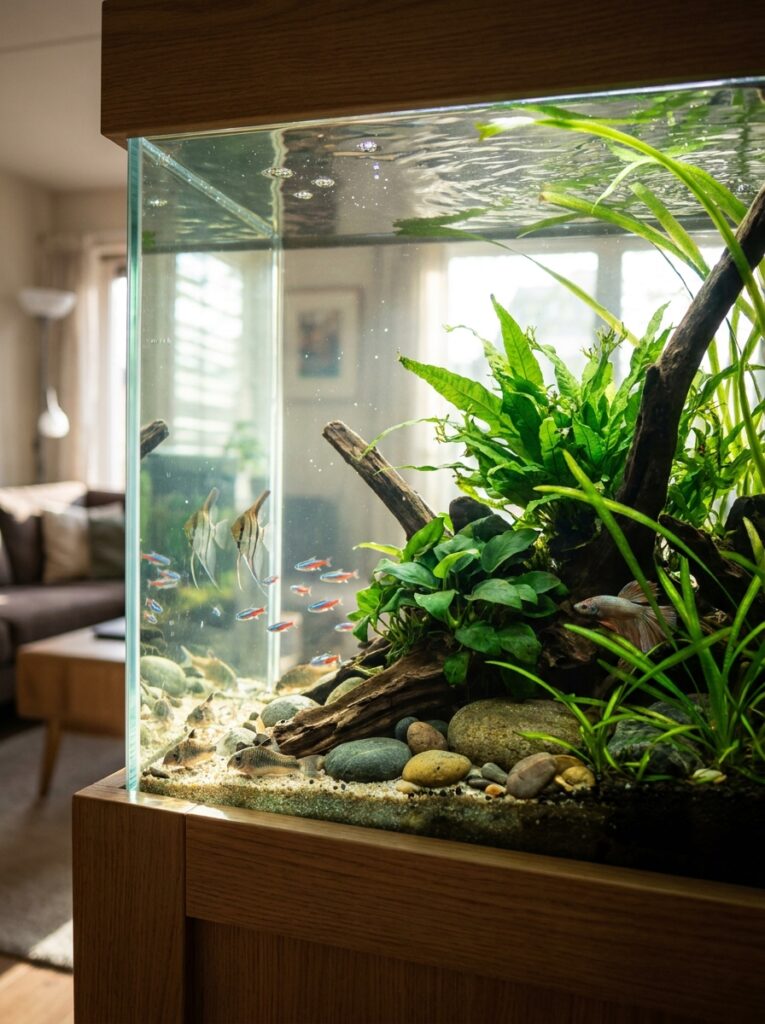
Start With Peaceful Species
The easiest way to build a successful community aquarium is to start with fish that are already known for peaceful behavior.
Many beginner-friendly species have become popular precisely because they coexist well with other fish. They aren’t constantly competing for territory, chasing tank mates, or creating unnecessary stress within the aquarium.
Choosing peaceful species from the beginning dramatically increases your chances of success. It also gives you more flexibility when adding future fish because compatible species tend to integrate more smoothly into established aquariums.
A community tank doesn’t need to be filled with rare or unusual fish to be interesting. Some of the most attractive aquariums are built around simple, peaceful species that complement one another beautifully.
When in doubt, lean toward peaceful fish. It’s one of the safest decisions a beginner can make.
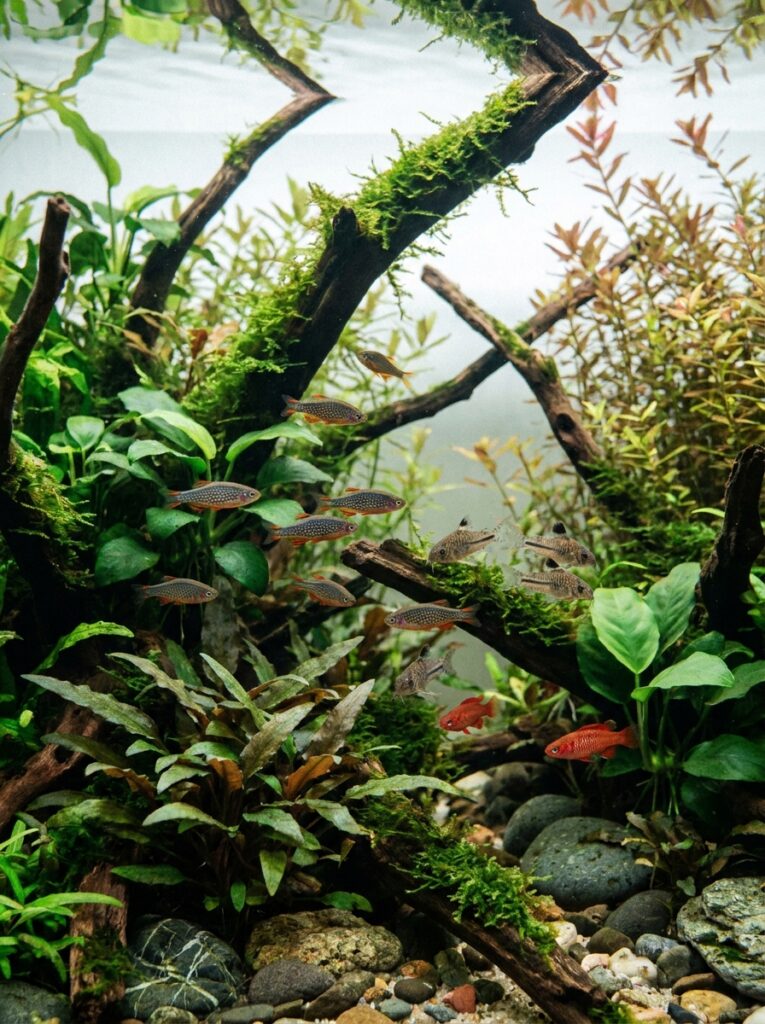
Consider Adult Size, Not Store Size
One of the most common beginner mistakes is choosing fish based on how they look in the store.
The problem is that many aquarium fish are sold as juveniles. A fish that looks perfectly suited for a community aquarium today may become much larger a few months down the road.
That’s why experienced hobbyists always consider adult size when planning a tank.
A community aquarium works best when all the fish can comfortably share the available space throughout their entire lives, not just during their first few months in the aquarium.
Thinking ahead also helps prevent future compatibility issues. Larger fish may become more territorial, require additional swimming room, or unintentionally intimidate smaller tank mates as they mature.
A little research before buying fish can save a lot of frustration later and helps create a community that remains balanced over the long term.
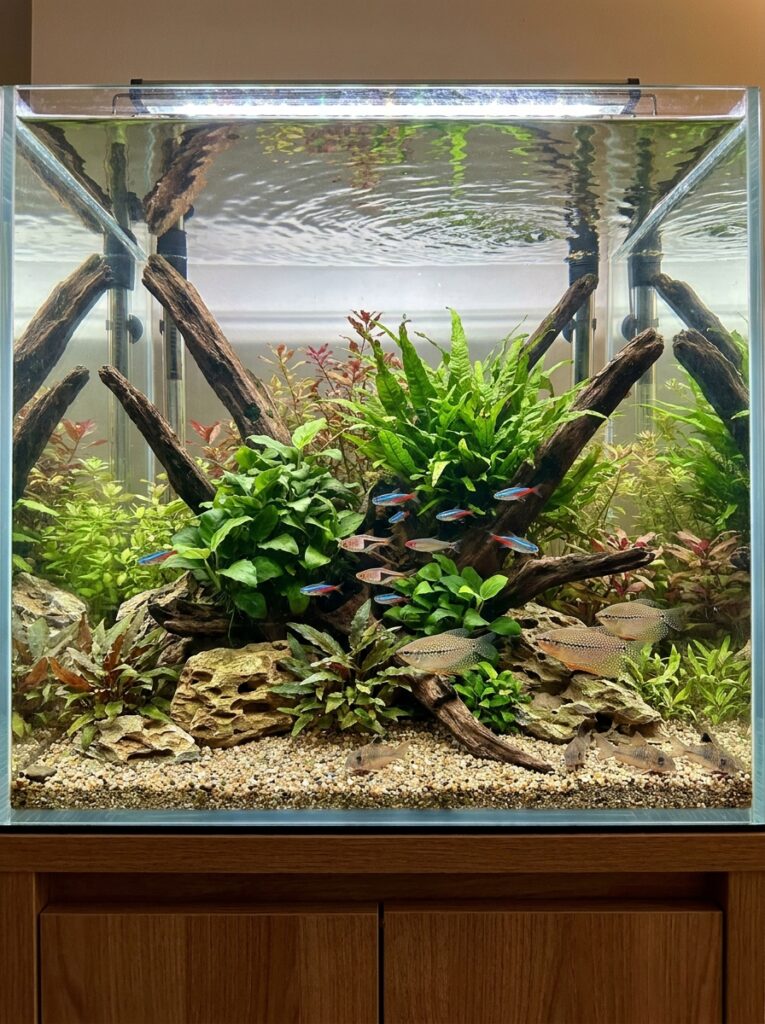
Pay Attention to Swimming Levels
A well-balanced community aquarium often has activity throughout the entire tank.
Some fish naturally spend most of their time near the surface. Others prefer the middle area, while certain species are happiest exploring the bottom.
When fish occupy different swimming levels, the aquarium tends to feel more natural and less crowded. The fish are able to use the available space more effectively, which can reduce competition and stress.
For example, a peaceful schooling fish may spend most of its time in the middle of the tank, while a group of bottom-dwellers quietly explores the substrate below. This creates visual interest without forcing all the fish into the same space.
Thinking about swimming levels can also make an aquarium look larger and more dynamic because activity is spread throughout the environment.
It’s a simple concept, but it can make a surprisingly big difference when building a harmonious community tank.
Schooling Fish Need Friends
Many popular community fish aren’t meant to live alone.
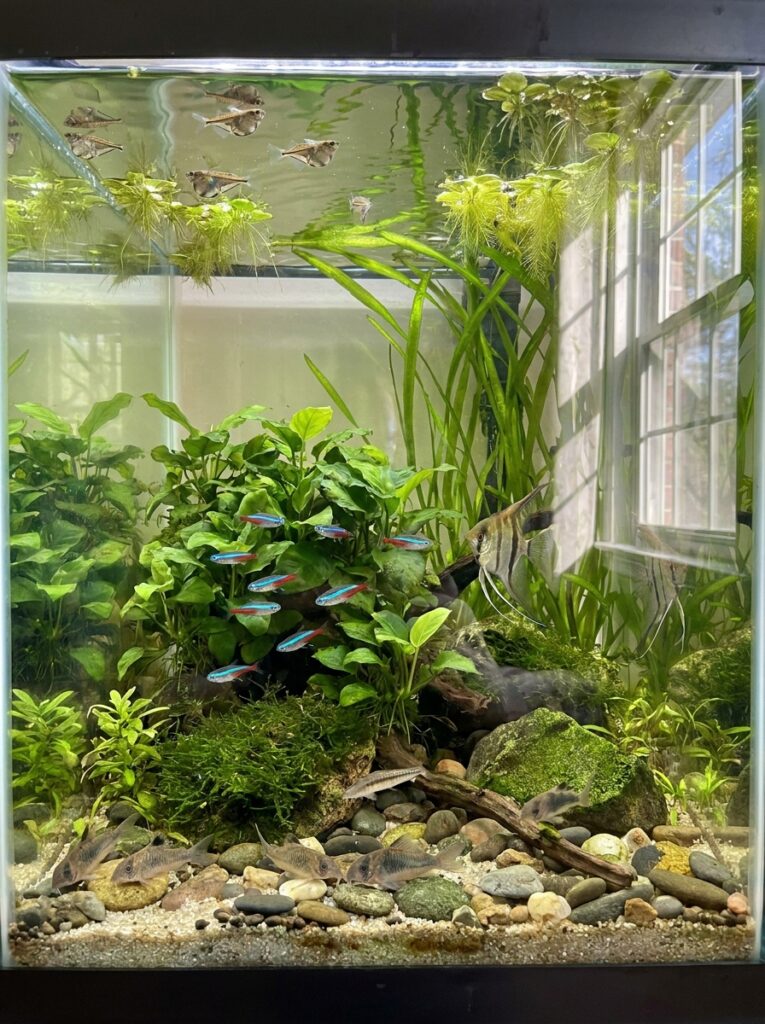
Species such as tetras, rasboras, and other schooling fish feel most comfortable when they’re kept with members of their own kind. In nature, these fish often live in groups, and that instinct doesn’t disappear in an aquarium.
When schooling fish are kept in appropriate groups, they usually appear more confident, display more natural behavior, and spend more time out in the open.
A group of healthy schooling fish can also become one of the most attractive features in an aquarium. Watching them move together through plants and open swimming areas adds a sense of life and energy to the tank.
Before bringing home any schooling species, it’s worth learning about their social needs. Meeting those needs often leads to healthier fish and a more enjoyable aquarium experience.
Avoid Mixing Very Different Temperaments
Compatibility isn’t only about size.
Personality matters too.
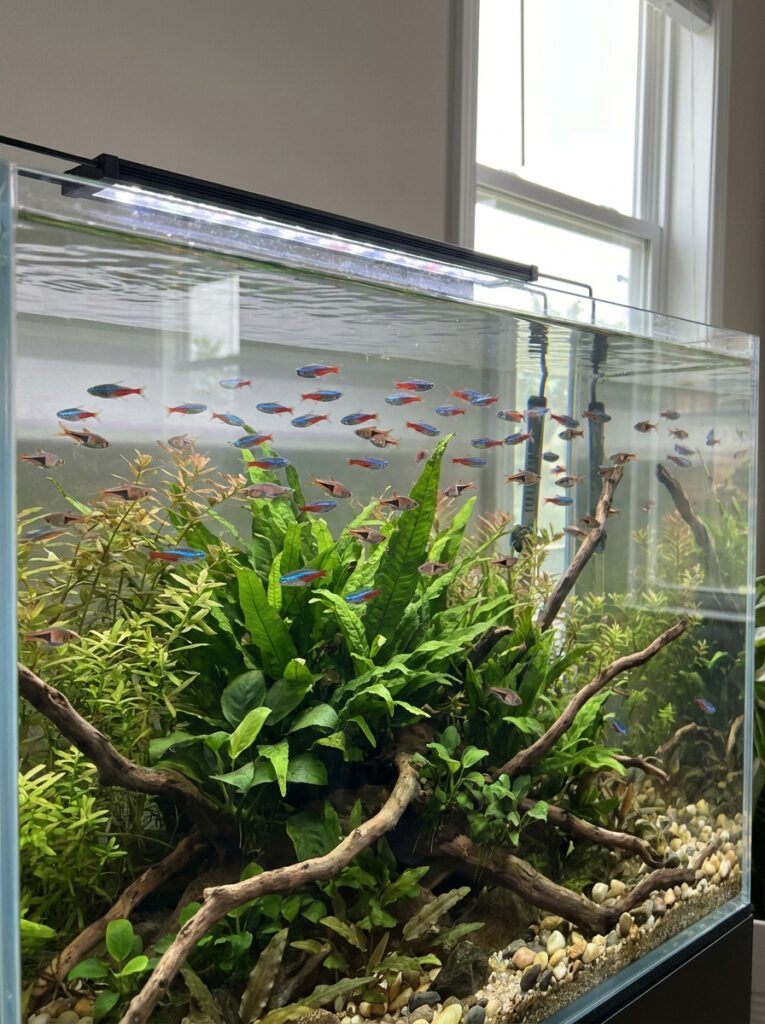
Some fish are naturally calm and easygoing, while others are more territorial, energetic, or assertive. Problems often arise when species with very different temperaments are forced to share the same aquarium.
A peaceful fish may spend much of its time hiding if it’s constantly being chased or stressed by a more aggressive tank mate. Even if no physical harm occurs, long-term stress can affect behavior and overall well-being.
This is one reason peaceful community aquariums are so popular. Fish with similar temperaments tend to coexist more comfortably and create a calmer environment.
When planning a community tank, try to imagine how the fish will interact with one another on a daily basis, not just how they look together. A balanced personality mix is often the foundation of a successful aquarium.
Building Around a Centerpiece Fish
Many successful community aquariums start with a single fish species.
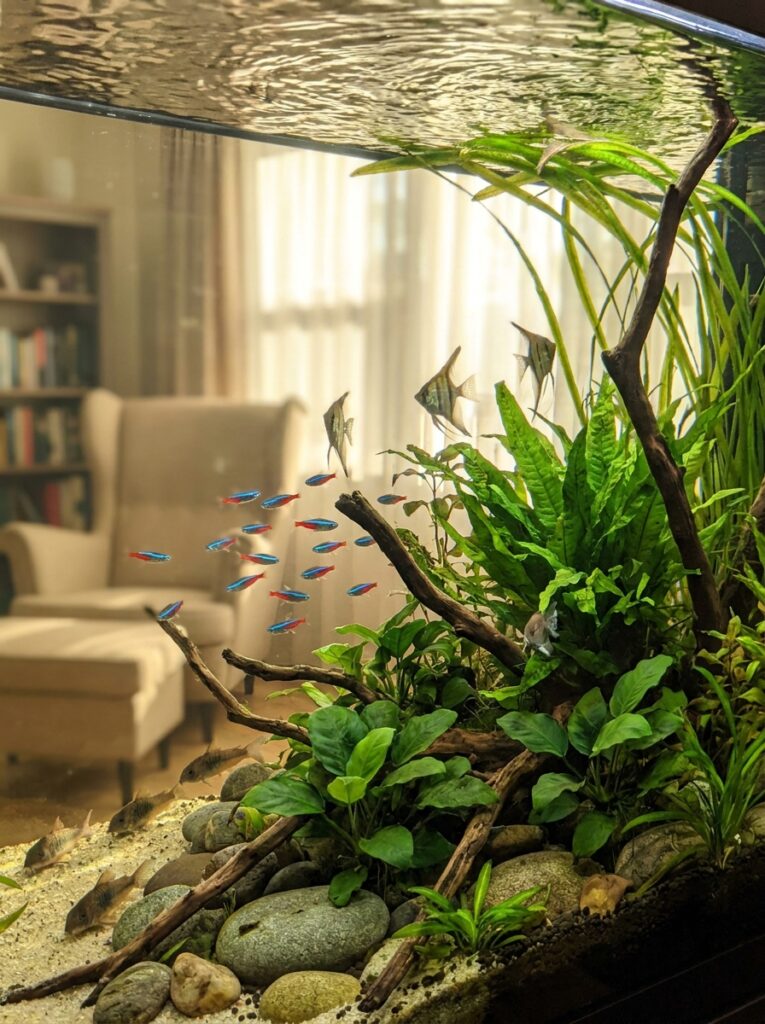
This is often called the centerpiece fish—the species that becomes the main visual focus of the aquarium.
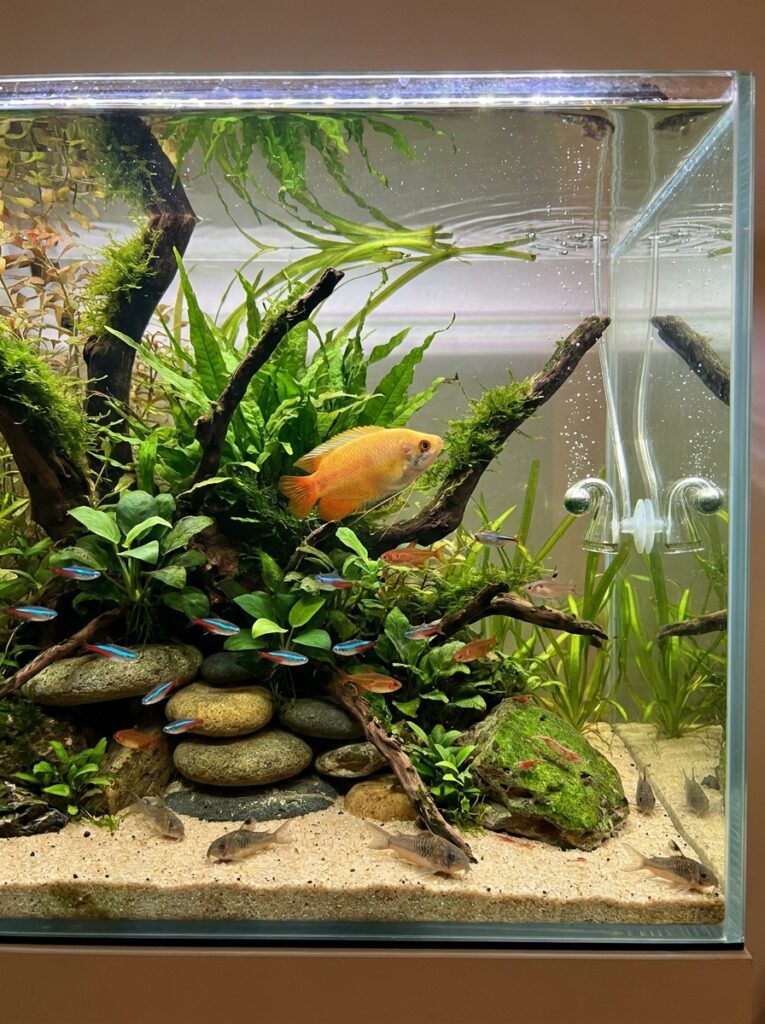
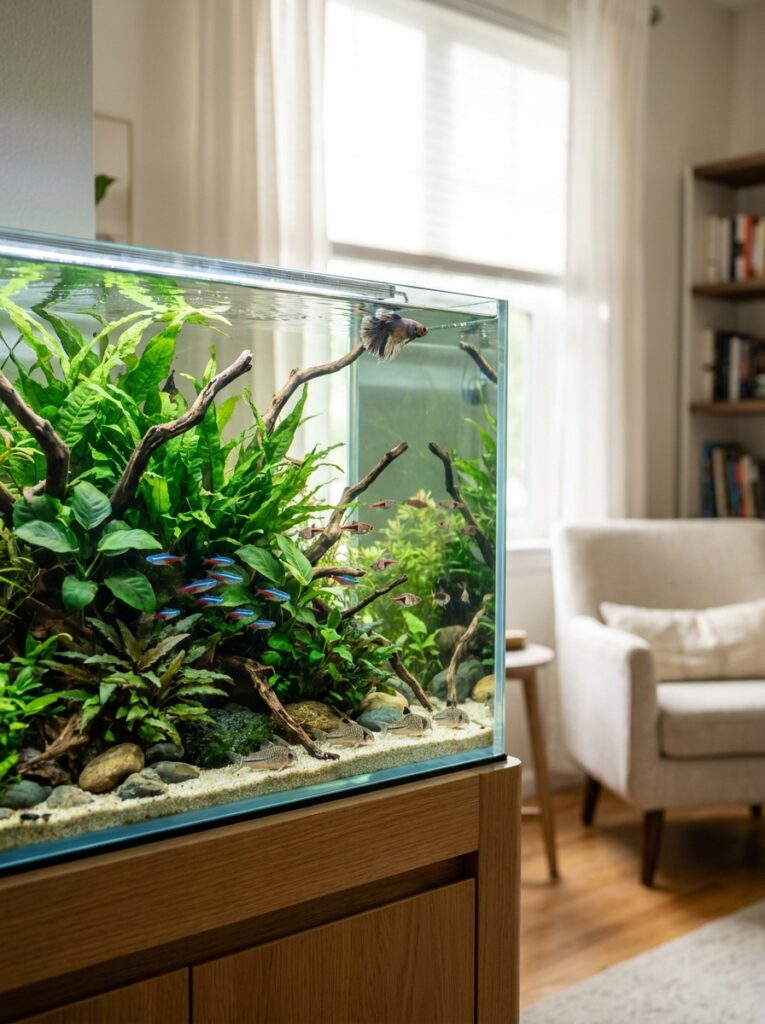
A betta fish, honey gourami, or another peaceful focal species can help guide the rest of your stocking decisions. Instead of randomly adding fish, you’re building a community around the needs and personality of that centerpiece fish.
Once you’ve chosen the main attraction, it’s easier to select compatible tank mates that share similar water requirements and temperaments.
This approach tends to create more cohesive aquariums. The fish complement one another rather than competing for attention or space.
For beginners, building around a centerpiece fish can make the planning process feel much less overwhelming while producing a more balanced result.
Common Community Tank Mistakes
Most community aquarium problems can be traced back to a few common mistakes.
One of the biggest is adding fish without researching compatibility first. A species may look peaceful in a store display but behave very differently once it settles into a home aquarium.
Another mistake is adding too many fish too quickly. This can make it difficult for the aquarium to adjust and often creates unnecessary stress for both fish and owner.
Ignoring social needs is another common issue. Schooling fish that don’t have enough companions may become shy or display less natural behavior.
Finally, many beginners focus entirely on appearance while overlooking factors such as temperament, adult size, and swimming habits.
The good news is that these mistakes are easy to avoid with a little planning. A thoughtful approach almost always leads to a healthier and more enjoyable aquarium.
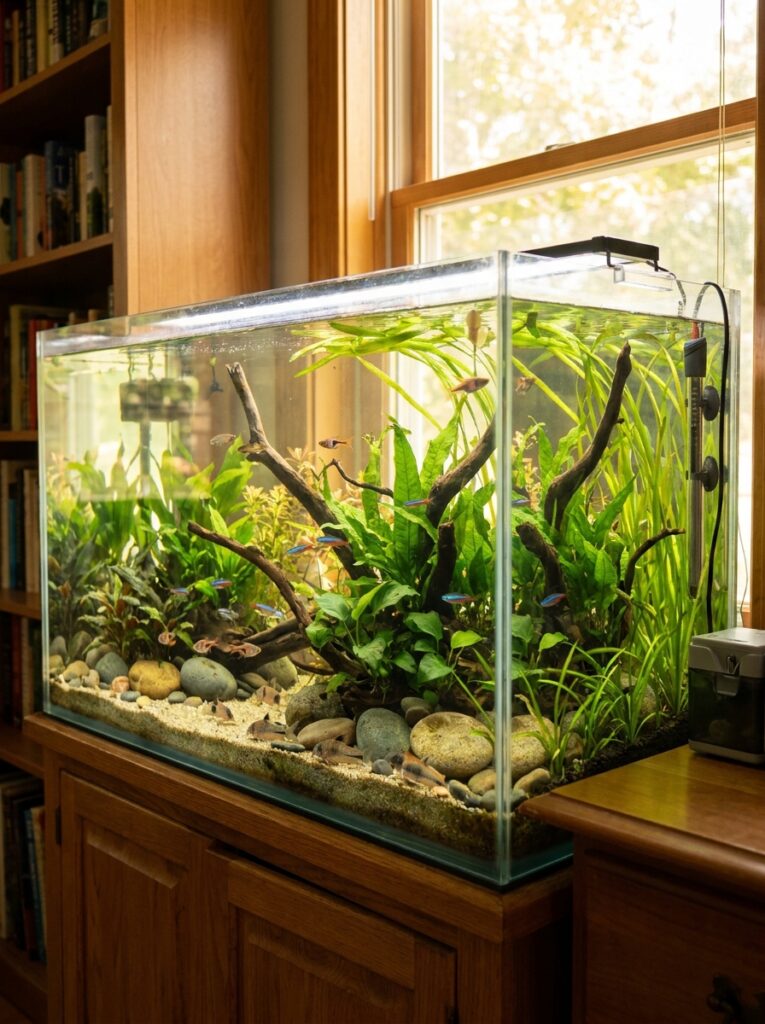
Creating a Balanced Aquarium Community
At its core, fish compatibility is about creating balance.
The most enjoyable community aquariums aren’t necessarily the ones with the rarest fish or the largest number of species. They’re the ones where the fish seem comfortable, the aquarium feels peaceful, and the entire environment works together naturally.
When you consider temperament, adult size, swimming levels, and social behavior, choosing compatible fish becomes much easier. Instead of guessing, you’re making decisions based on the needs of the animals and the limitations of the aquarium.
That often leads to healthier fish, fewer problems, and a more relaxing experience for the owner.
And ultimately, that’s what many people want from an aquarium—a beautiful living space where fish can thrive and where spending a few quiet minutes watching the tank feels like part of the reward.
CONCLUSION
Choosing fish that get along together isn’t about following complicated rules.
It’s about understanding a few key principles and making thoughtful decisions from the start.
When fish have similar temperaments, compatible space requirements, and appropriate social groups, the entire aquarium tends to feel more balanced. The fish are more comfortable, the environment is more stable, and the tank becomes far more enjoyable to watch.
Whether you’re building your first community aquarium or refining an existing setup, taking compatibility seriously is one of the best investments you can make.
A little planning today can help create a peaceful aquarium you’ll enjoy for years to come.
FAQ
What does fish compatibility mean?
Fish compatibility refers to how well different species can live together in the same aquarium without causing stress, aggression, or other problems.
Can peaceful fish become aggressive?
Sometimes. Stress, overcrowding, limited space, or unsuitable tank mates can influence behavior, even in species that are generally considered peaceful.
Is fish size important for compatibility?
Yes. Adult size is one of the most important factors when choosing tank mates because fish need enough space to coexist comfortably.
Why are schooling fish often kept in groups?
Many schooling species naturally live in groups and tend to feel safer, more confident, and display more natural behavior when kept with their own kind.
Can I mix different species in a 10-gallon aquarium?
In some cases, yes. Success depends on the species chosen, their adult size, social needs, and overall compatibility.
What’s the easiest way to build a community aquarium?
Many beginners find success by choosing peaceful fish with similar care requirements and planning the aquarium around a compatible centerpiece species.