
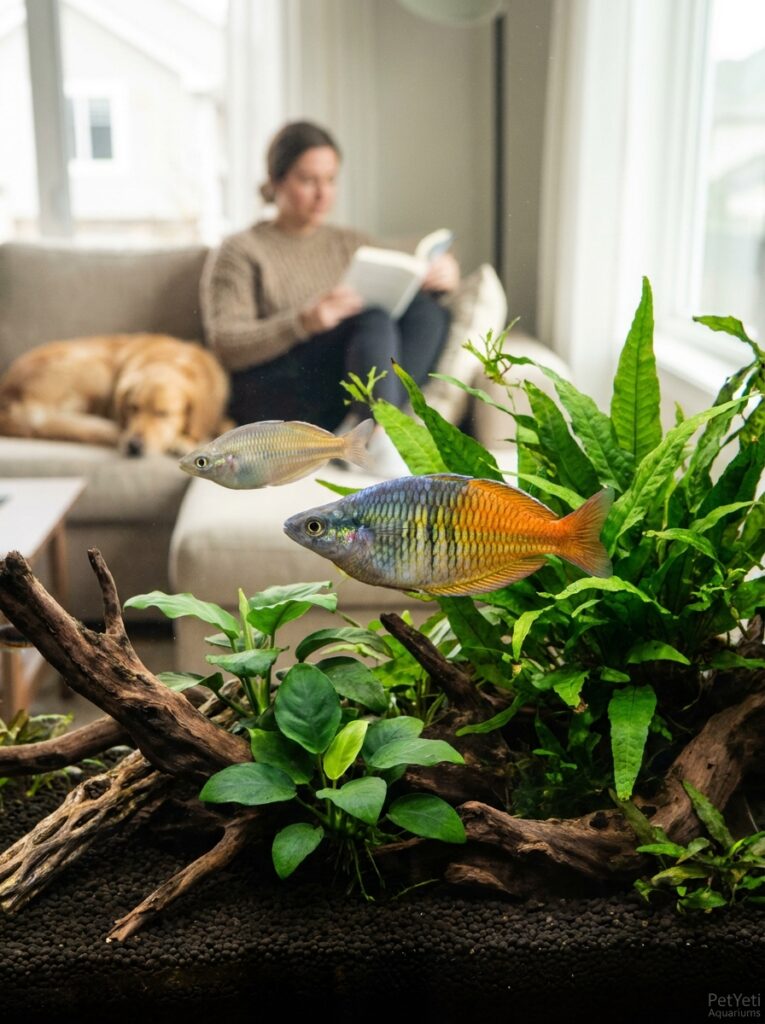
One of the first things aquarium owners notice about their fish is color.
Bright reds.
Deep blues.
Shimmering oranges.
Vibrant patterns.
So when those colors suddenly start looking dull, it’s easy to worry.
Maybe your fish looked amazing at the store.
Maybe it looked healthy just a few weeks ago.
Now the colors seem faded, washed out, or less vibrant than before.
The good news is that color loss doesn’t always mean something is seriously wrong.
In many cases, fish lose color because of temporary stress, environmental changes, or normal adjustments.
The key is figuring out what’s causing it.
Once you understand the reason, it’s often much easier to help your fish regain its natural appearance.
Let’s look at the most common causes.
Stress Is One of the Most Common Causes
Fish often become paler when something in their environment changes.
Common stress triggers include:
- Moving to a new aquarium
- Aggressive tank mates
- Sudden environmental changes
- Excessive activity around the tank
- Poor aquarium conditions
Many fish regain their color naturally once they feel safe again.
Real-Life Example
A fish that looked vibrant in the store may appear noticeably paler during its first few days at home. Once it settles into a stable routine, its colors often begin returning.
New Fish Often Need Time to Adjust
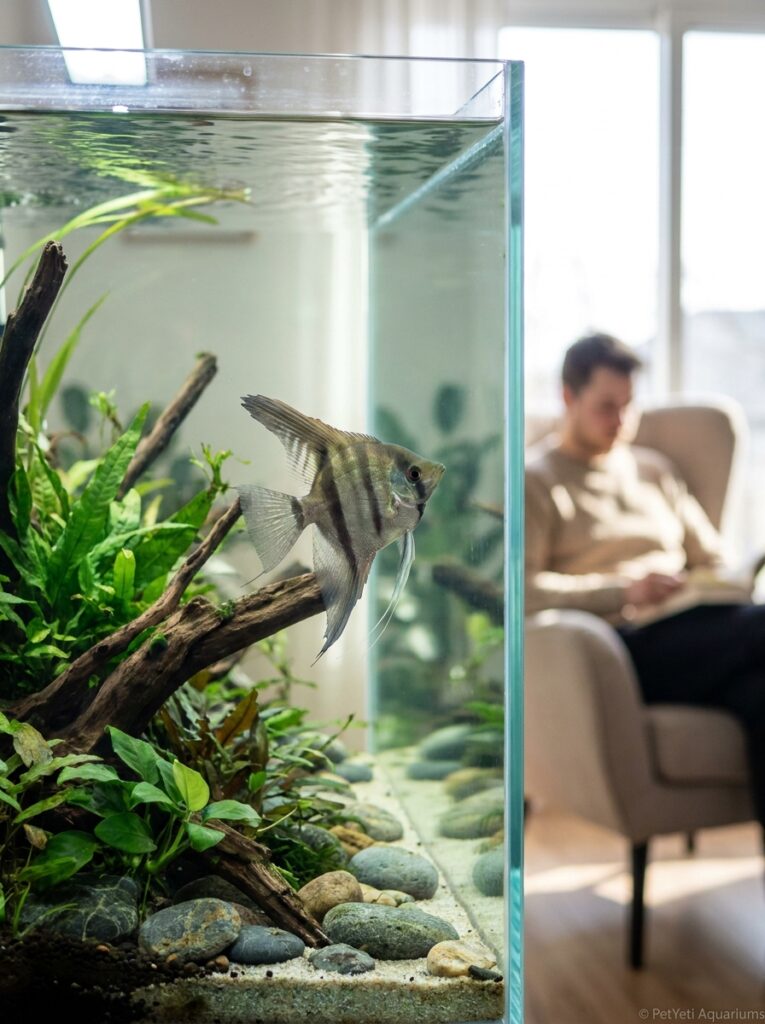
Many beginners don’t realize that fish frequently look different after being brought home.
Think about everything that changed:
- Transport
- Water conditions
- Surroundings
- Tank mates
- Feeding routines
That’s a lot for a fish to process.
Color changes during this adjustment period are common.
Real-Life Example
A newly purchased fish may appear dull for several days before gradually displaying stronger colors as it becomes comfortable.
Patience is often part of successful fishkeeping.
Poor Water Conditions Can Affect Appearance
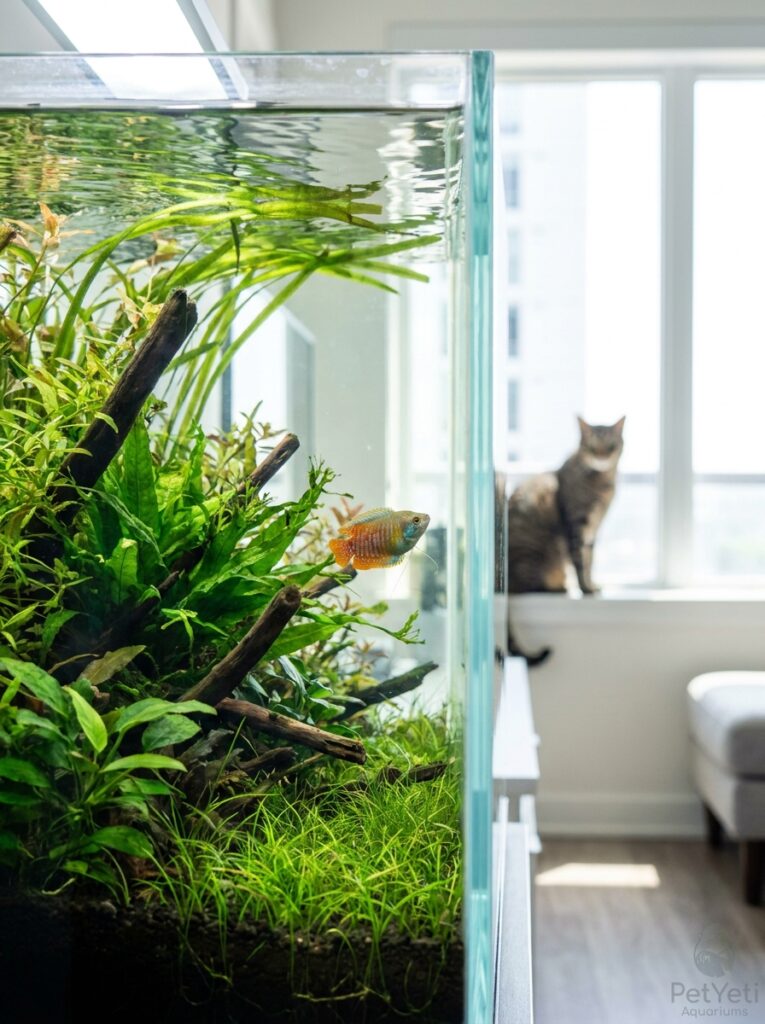
Fish live in their environment every second of every day.
When water quality declines, appearance often changes before major health issues appear.
You may notice:
- Faded coloration
- Reduced activity
- Less interest in food
- Increased hiding
Color loss can sometimes be your aquarium’s way of telling you that something needs attention.
Real-Life Example
A fish that normally displays strong colors may begin looking washed out after several weeks of inconsistent maintenance.
Sometimes the fish is providing an early warning sign.
Diet Can Influence Coloration
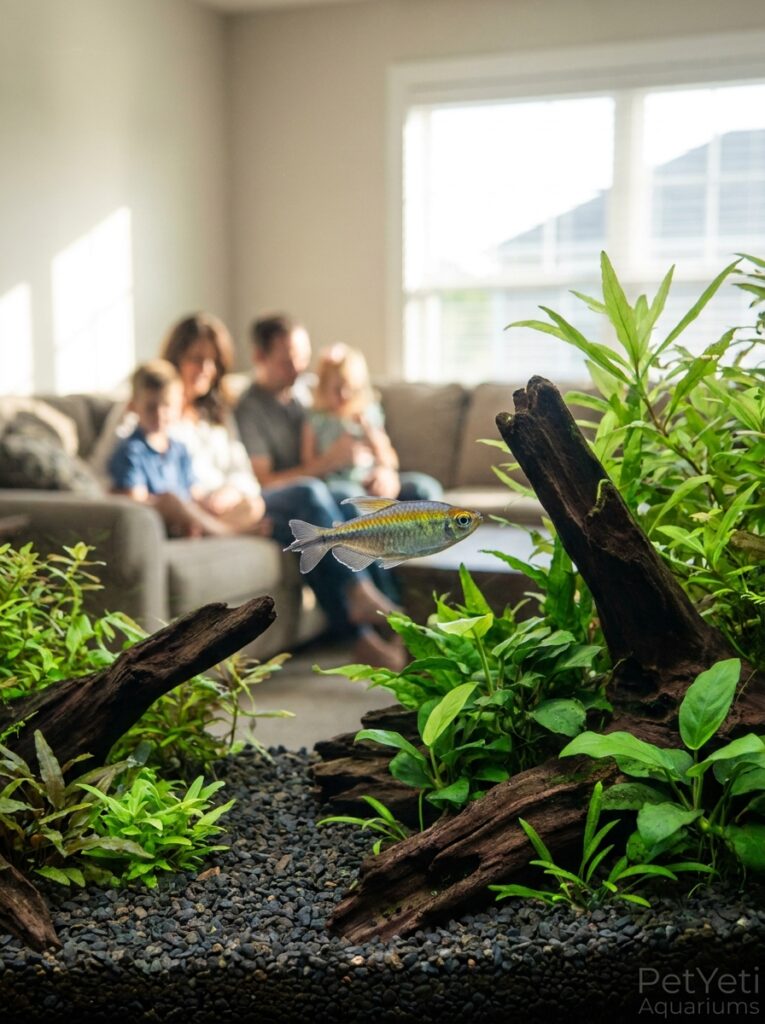
Color isn’t only influenced by environment.
Nutrition also plays a role.
Fish that receive a varied, high-quality diet often display stronger natural coloration than fish receiving poor nutrition.
This doesn’t mean chasing miracle foods.
It simply means providing appropriate nutrition consistently.
Real-Life Example
A fish fed a balanced diet over time often develops richer coloration than one receiving the same low-quality food every day.
Good care tends to show up visually.
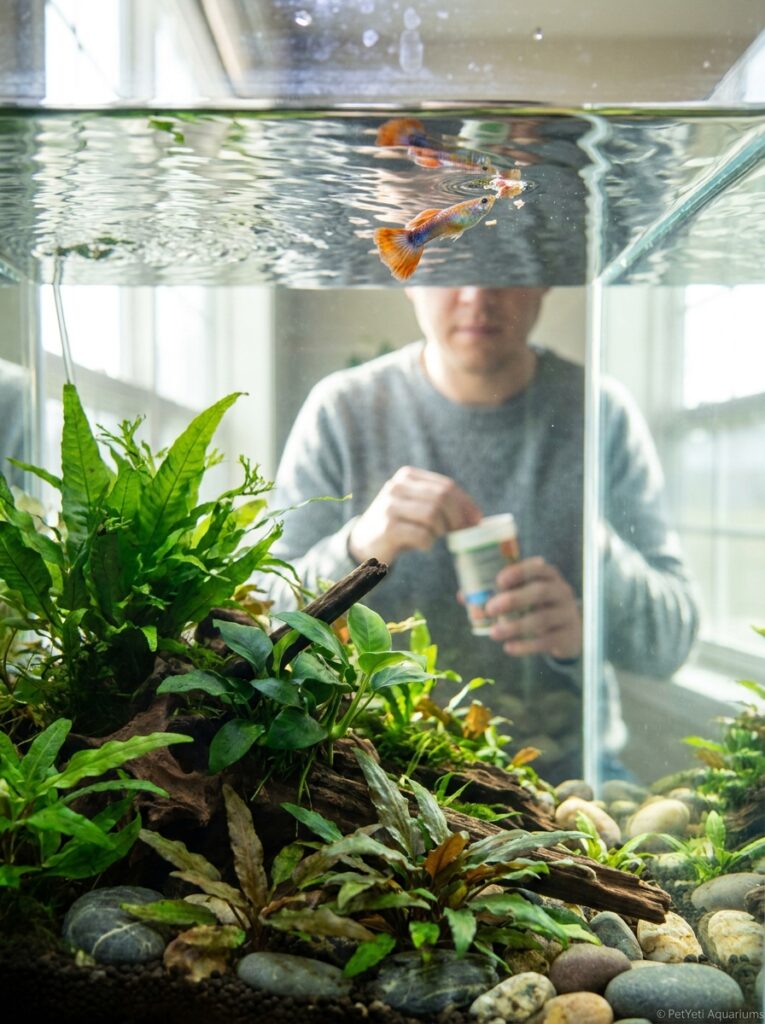
Aggressive Tank Mates Can Cause Color Loss
Not all stress comes from water conditions.
Sometimes the problem is social.
Fish that are constantly chased, bullied, or intimidated often become less active and lose some of their natural coloration.
The challenge is that aggression isn’t always obvious.
You may never witness a major fight.
Instead, the stressed fish may simply:
- Avoid open areas
- Stay hidden more often
- Stop competing for food
- Look paler than usual
Real-Life Example
A peaceful fish that suddenly starts spending most of its time behind plants may be reacting to a more dominant tank mate, even if no obvious aggression is visible when you’re watching.
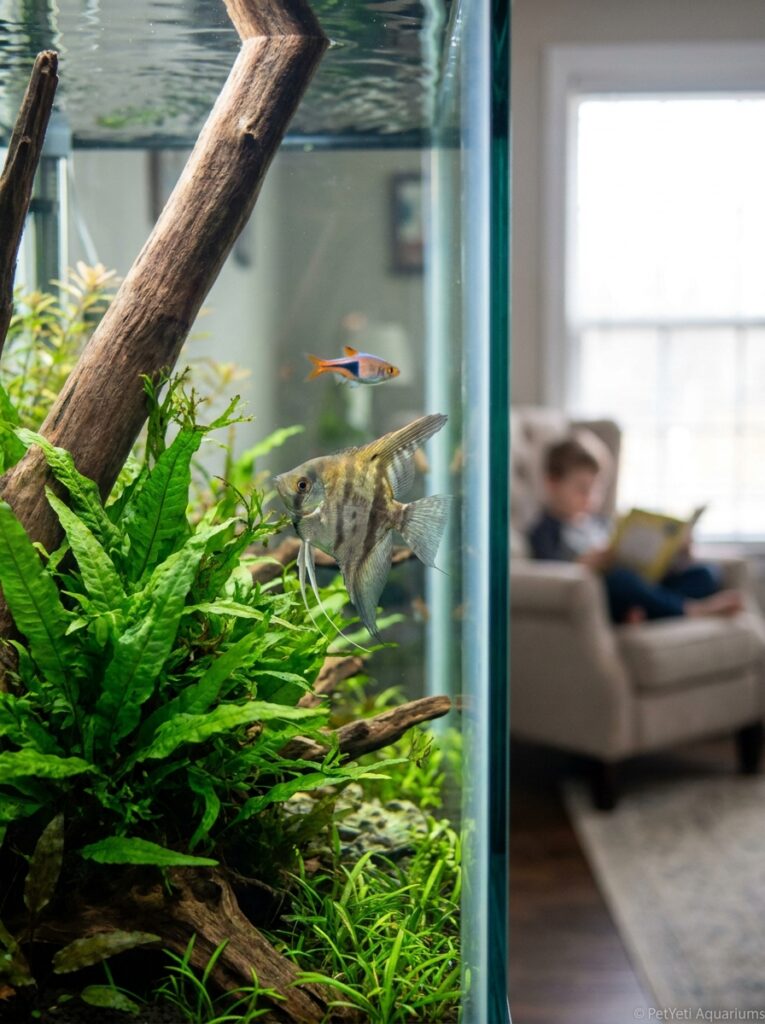
Lighting Can Change How Colors Appear
Sometimes your fish hasn’t actually lost color at all.
The lighting has changed.
Fish colors can look very different depending on:
- Aquarium lighting
- Room lighting
- Time of day
- Viewing angle
A fish that appears vibrant under one type of light may look less colorful under another.
That’s why it’s helpful to observe your fish at different times before assuming there’s a problem.
Real-Life Example
Many aquarium owners notice that their fish appear brighter shortly after aquarium lights turn on compared to how they look in dim evening lighting.
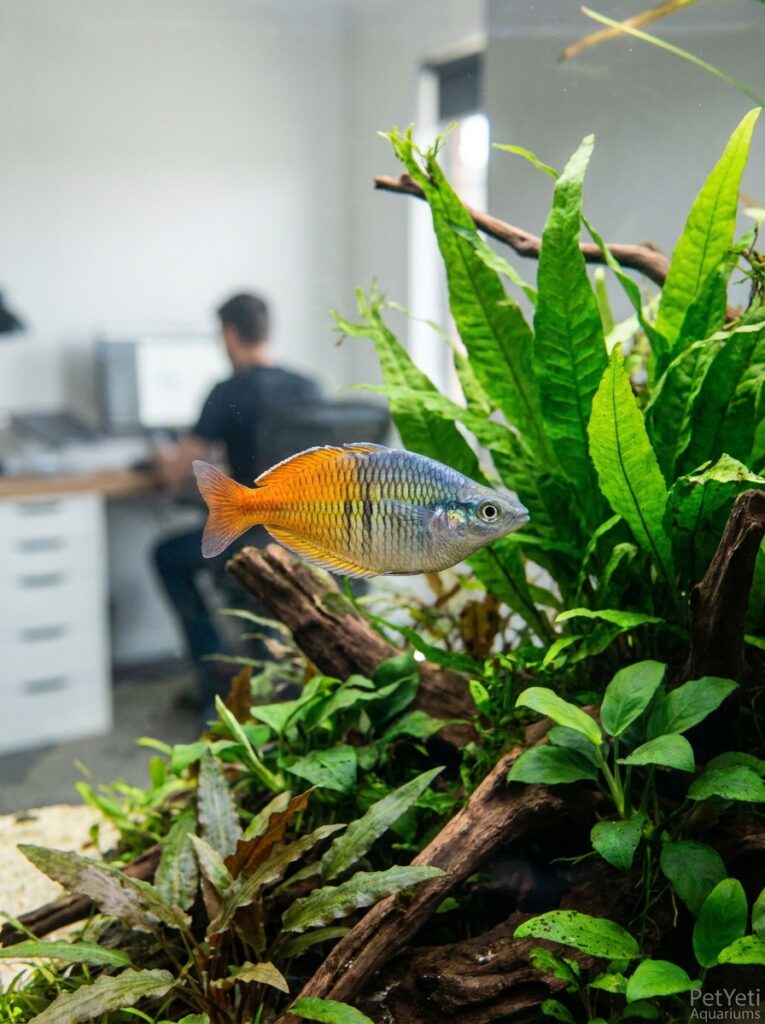
Illness and Physical Stress Can Affect Color
While stress and environmental factors are usually responsible, health issues can sometimes contribute to color changes.
This is where it’s important to look for additional signs.
For example:
- Loss of appetite
- Unusual swimming behavior
- Clamped fins
- Visible spots or damage
- Rapid breathing
Color loss by itself doesn’t automatically mean disease.
However, color loss combined with other symptoms deserves closer attention.
Real-Life Example
A fish that becomes pale while also refusing food for several days may be dealing with more than simple environmental stress.
Looking at the full picture is often more helpful than focusing on a single symptom.
When Should You Be Concerned?
Not every color change requires immediate action.
Sometimes fish simply need time to adjust.
However, it’s worth paying closer attention if color loss is accompanied by:
- Refusing food
- Hiding constantly
- Rapid breathing
- Physical damage
- Unusual swimming patterns
- Significant behavior changes
In many cases, the fish’s behavior provides more useful clues than color alone.
A slightly pale fish that is active, eating well, and behaving normally is often less concerning than a fish showing multiple warning signs.
Real-Life Example
An active fish that eats eagerly and explores the aquarium may simply be adjusting to minor environmental changes. A fish that becomes pale while also isolating itself deserves a closer look.
CONCLUSION
Seeing your fish lose color can be worrying, especially if it seemed healthy before.
Fortunately, color loss is often linked to everyday factors like stress, adjustment periods, water quality, nutrition, or social dynamics inside the aquarium.
The best approach is to look at the bigger picture.
Ask yourself:
- Is the fish eating normally?
- Has anything recently changed?
- Are tank mates getting along?
- Is maintenance being done consistently?
In many cases, small improvements to the environment help fish regain their natural colors over time.
Healthy fish don’t just survive.
They become comfortable enough to display the vibrant colors that made you choose them in the first place.
FAQ
Why did my fish suddenly lose color overnight?
Sudden color loss is often related to stress, environmental changes, transportation, or water quality issues.
Can stressed fish regain their color?
Yes. Many fish recover their natural coloration once the source of stress is removed and conditions improve.
Does poor water quality cause fish to lose color?
Yes. Water quality problems are one of the most common reasons fish appear faded or washed out.
Can fish food affect color?
A balanced, high-quality diet can help fish maintain strong natural coloration over time.
Why does my new fish look pale?
New fish often experience temporary stress while adjusting to a new environment.
Can aggressive tank mates make fish lose color?
Yes. Constant chasing or intimidation can cause long-term stress that affects appearance and behavior.
Should I worry if my fish is pale but acting normal?
Not necessarily. Lighting, adjustment periods, and mild stress can all influence color without indicating serious health issues.
When should I be concerned about color loss?
Pay closer attention if fading is accompanied by loss of appetite, unusual swimming, rapid breathing, or other noticeable symptoms.