
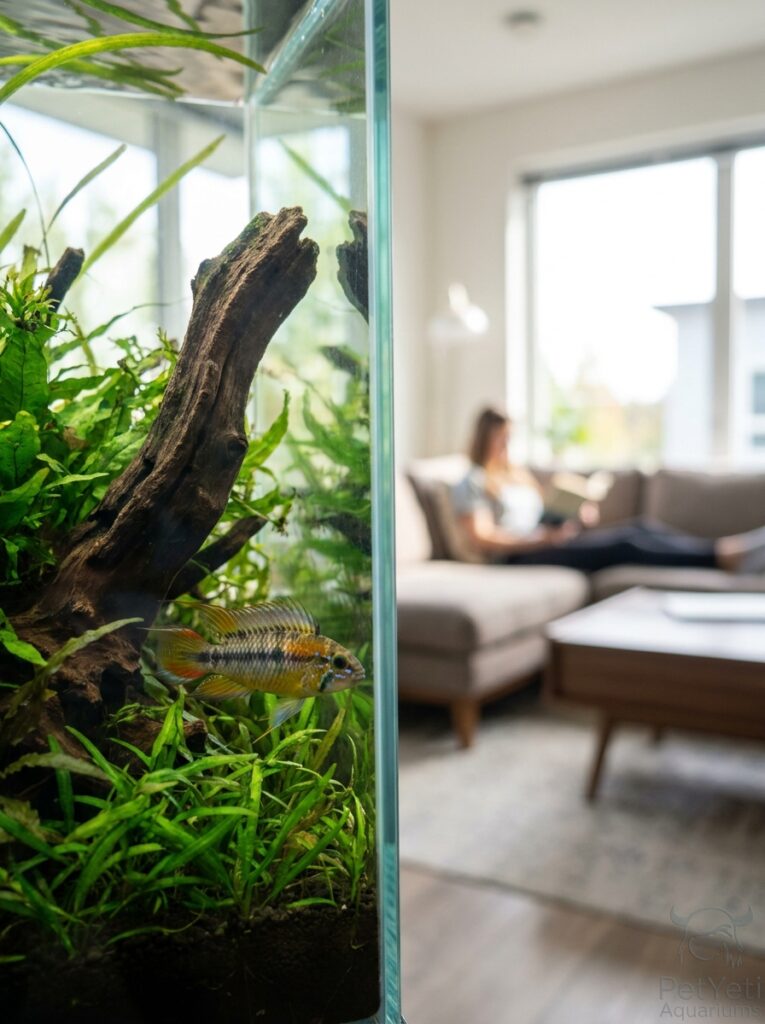
If you’re wondering why is my fish hiding, the most common reasons are new surroundings, stress, aggressive tank mates, bright lighting, lack of cover, or illness.
One of the most common concerns among aquarium owners is noticing a fish that suddenly seems to disappear.
You walk past the tank expecting to see your fish swimming normally, but instead it’s tucked behind plants, hiding inside decorations, or staying out of sight for most of the day.
Naturally, the first thought is often:
“Is something wrong?”
The answer depends on the situation.
Hiding is actually a normal behavior for many aquarium fish.
In nature, hiding helps fish avoid predators, rest, establish territory, and feel secure.
However, when a fish suddenly starts hiding much more than usual, it can sometimes signal stress, environmental changes, or other issues worth investigating.
The good news is that hiding behavior often has a simple explanation.
By paying attention to recent changes in the aquarium and understanding your fish’s natural behavior, you can usually identify the cause without jumping to worst-case conclusions.
Let’s look at the most common reasons aquarium fish hide and what you can do about it.
- Your Fish May Still Be Getting Comfortable
- Stress Can Make Fish Seek Shelter
- Some Fish Species Naturally Hide More Than Others
- Aggressive Tank Mates Can Cause Fish to Hide
- A Lack of Hiding Places Can Make Fish Hide Even More
- Illness Can Sometimes Change Behavior
- Aquarium Lighting Can Influence Fish Behavior
- When Should You Actually Be Concerned?
- CONCLUSION
- FAQs
Your Fish May Still Be Getting Comfortable
New fish often spend their first few days hiding.
This is one of the most normal behaviors you’ll see after introducing a fish to a new aquarium.
Imagine moving into a completely unfamiliar neighborhood overnight. Most people would spend some time adjusting before feeling fully comfortable.
Fish behave similarly.
A newly introduced fish is learning:
- Where food appears
- Where safe hiding spots exist
- How tank mates behave
- What daily activity around the aquarium looks like
Real-Life Example
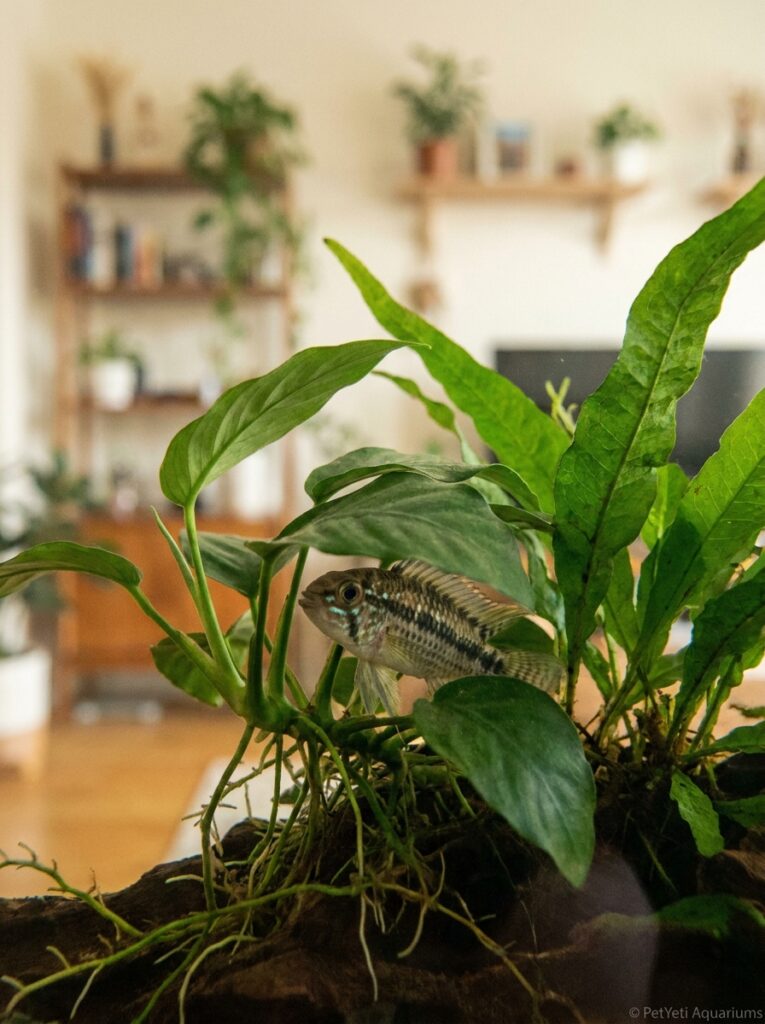
A new Betta may spend its first day resting behind a broad Anubias leaf instead of exploring the entire aquarium. Within a few days, many Bettas become noticeably more confident and visible.
As long as the fish appears healthy and is gradually becoming more active, patience is often the best solution.
Stress Can Make Fish Seek Shelter
Fish often hide when they don’t feel completely secure.
Stress can come from many sources, including:
- Sudden changes in the aquarium
- Excessive activity around the tank
- Aggressive tank mates
- Poor water conditions
- Frequent rearranging of decorations
Hiding is often a fish’s way of reducing exposure while it evaluates its surroundings.
Real-Life Example
Many aquarium owners notice increased hiding behavior after a major water change or aquascaping session. Once the environment stabilizes, fish often return to their normal routines within a day or two.
This is one reason consistency is so important in fishkeeping.
Fish generally appreciate predictable environments.
Some Fish Species Naturally Hide More Than Others
Not every fish enjoys being in the spotlight.
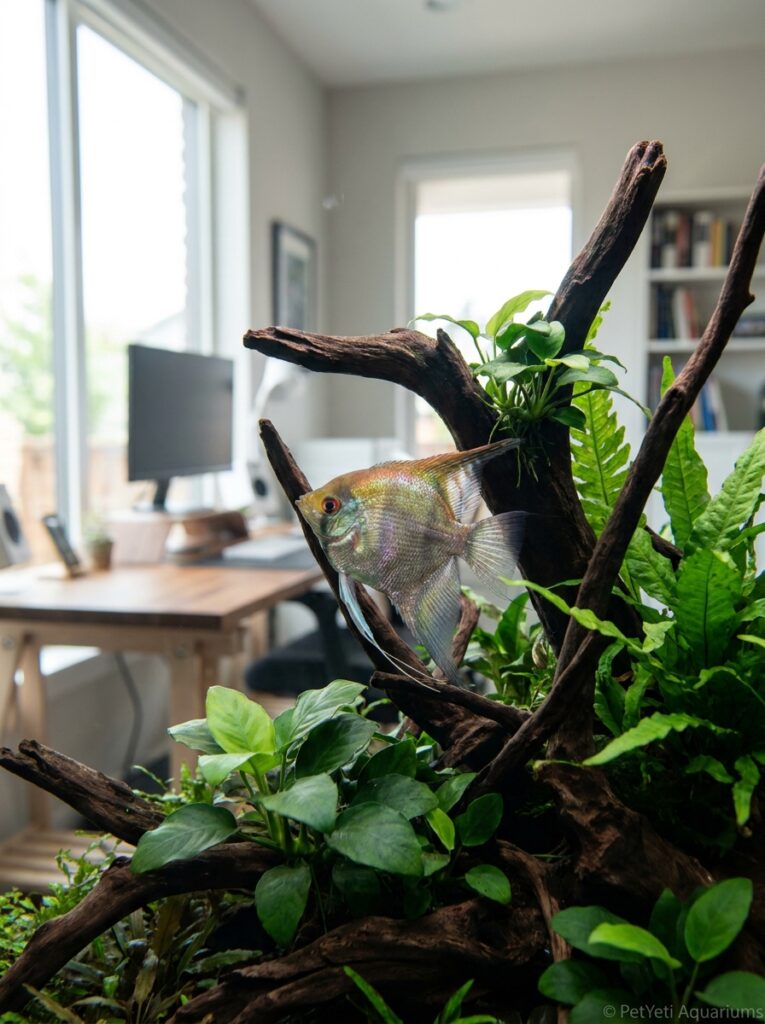
Some species are naturally shy and spend much of their time near plants, rocks, driftwood, or shaded areas.
This behavior isn’t a problem.
It’s simply part of their personality and survival instincts.
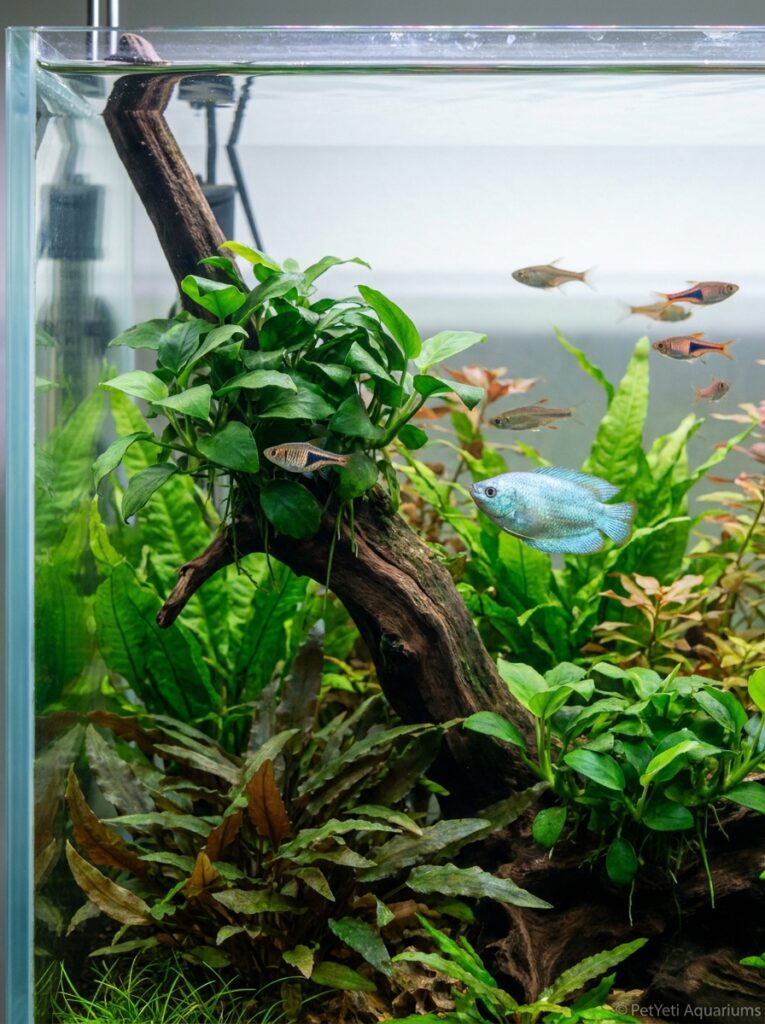
For example, many peaceful community fish feel more confident when they know cover is nearby.
Ironically, fish often become more visible when they have plenty of hiding places available.
Real-Life Example
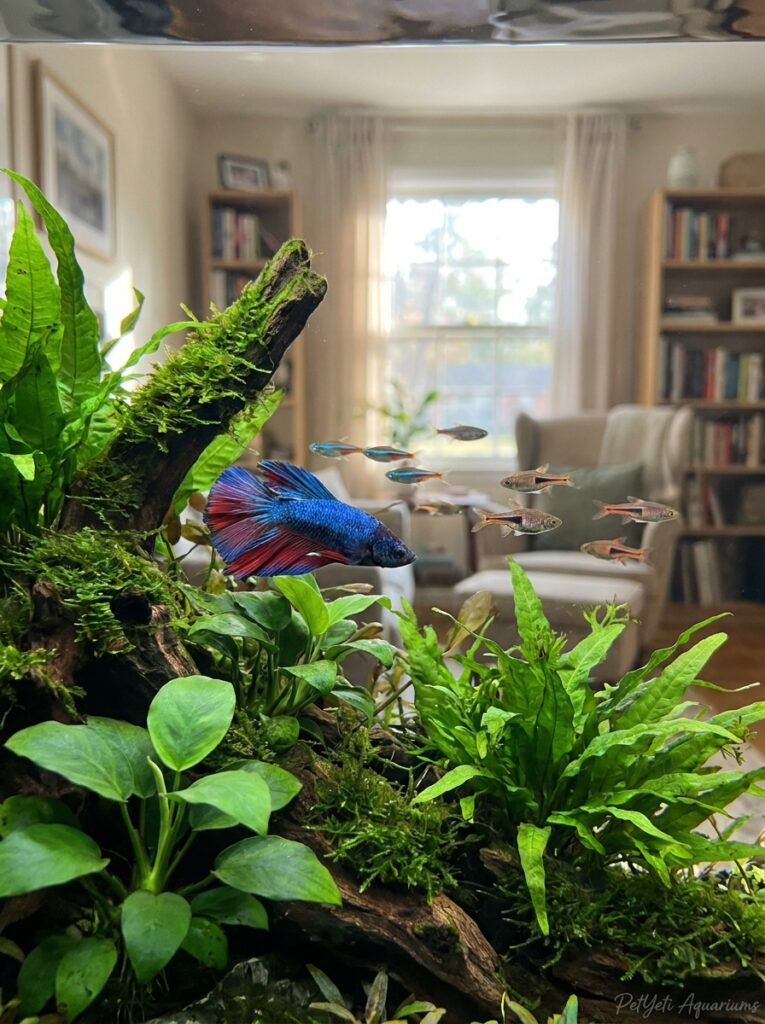
A group of small community fish may spend most of their day weaving through plants rather than swimming in open water. Once they feel secure, they’ll often venture out much more frequently.
Understanding your fish’s natural behavior helps prevent unnecessary worry.
Aggressive Tank Mates Can Cause Fish to Hide
Sometimes the issue isn’t the fish that’s hiding.
It’s another fish in the aquarium.
Even in peaceful community tanks, certain fish can become territorial, especially around feeding areas, favorite hiding spots, or breeding territories.
A fish that feels bullied may start spending more time out of sight simply to avoid confrontation.
The tricky part is that aggression isn’t always obvious.
Many beginners expect constant chasing or fighting.
In reality, aggression can be subtle:
- One fish repeatedly claiming a certain area
- Occasional chasing during feeding
- Fin nipping
- Preventing another fish from accessing open swimming space
Real-Life Example
A peaceful fish that normally swims around the aquarium may suddenly begin hiding after a new tank mate is introduced. The new arrival might appear harmless at first, but repeated small acts of territorial behavior can make other fish feel uncomfortable.
If hiding behavior started shortly after adding a new fish, it’s worth spending extra time observing interactions throughout the day.
A Lack of Hiding Places Can Make Fish Hide Even More
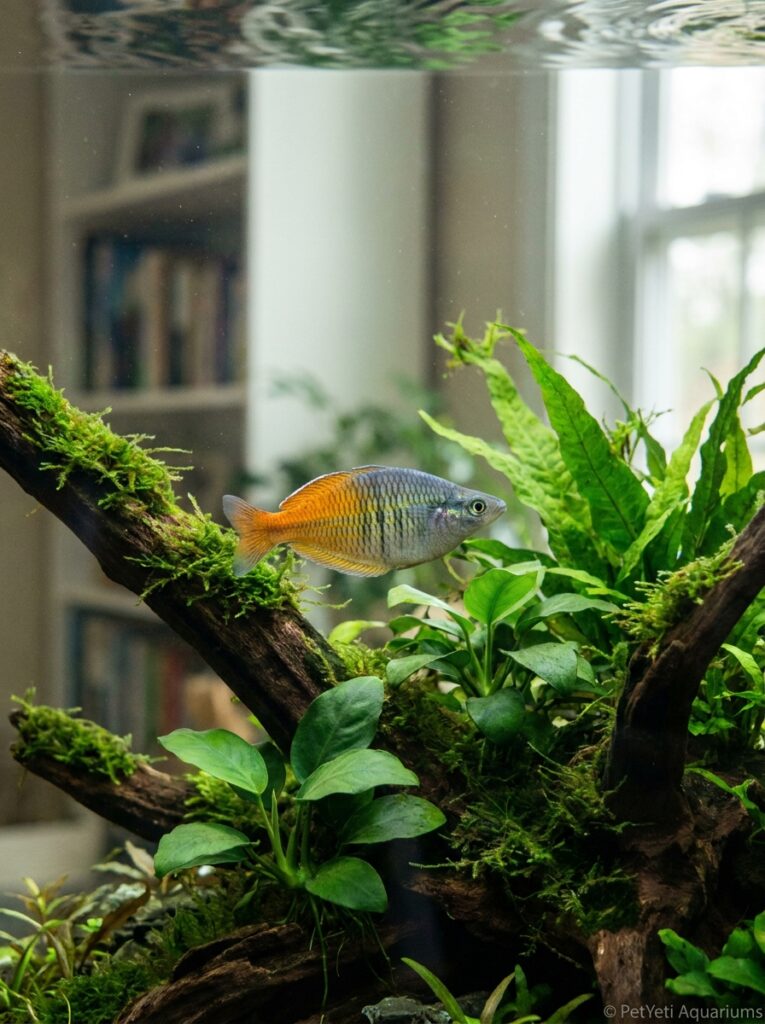
This may sound strange, but fish often become more visible when they have more places to hide.
Without shelter, many species feel exposed.
As a result, they may spend more time squeezed into the few available hiding spots they can find.
A well-designed aquarium usually includes:
- Live plants
- Driftwood
- Rock structures
- Visual barriers
- Shaded areas
These features help fish feel secure.
When fish feel secure, they’re more likely to explore the aquarium openly.
Real-Life Example
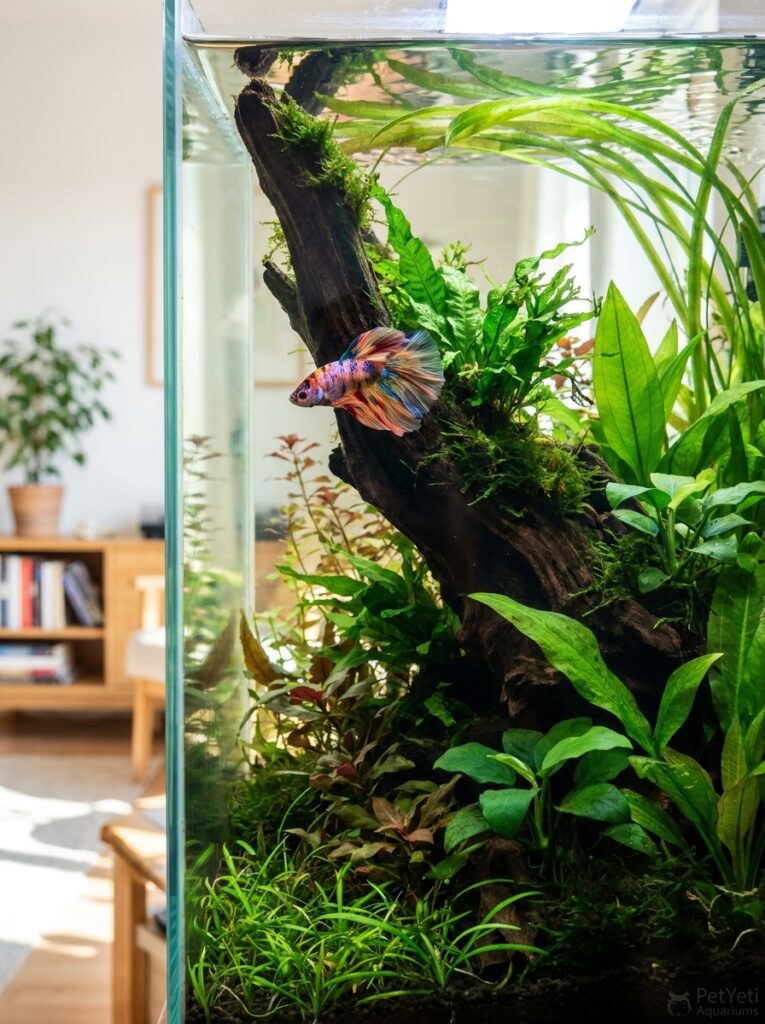
A Betta kept in a sparsely decorated aquarium may spend most of its day sitting behind a filter. After adding a few live plants and natural cover, many Bettas become noticeably more active and curious.
This is one reason planted aquariums often create more natural fish behavior.
Illness Can Sometimes Change Behavior
Most hiding behavior is harmless.
However, a fish that suddenly begins hiding while also showing other unusual symptoms deserves closer attention.
Fish often reduce activity when they aren’t feeling well.
Hiding can be one of several signs that something isn’t right.
Pay attention to whether hiding is accompanied by:
- Loss of appetite
- Clamped fins
- Rapid breathing
- Unusual swimming patterns
- Visible spots or discoloration
- Lethargy
The key is looking for patterns rather than focusing on a single behavior.
Real-Life Example
A fish that occasionally rests behind plants is usually behaving normally. A fish that hides continuously, refuses food, and shows reduced activity may be experiencing a health issue that requires investigation.
Observation is often your most valuable tool.
Many problems can be identified early simply by noticing changes in routine behavior.
Aquarium Lighting Can Influence Fish Behavior
Fish don’t always experience light the same way we do.
An aquarium that looks perfectly bright to us may feel overly exposed to some fish species.
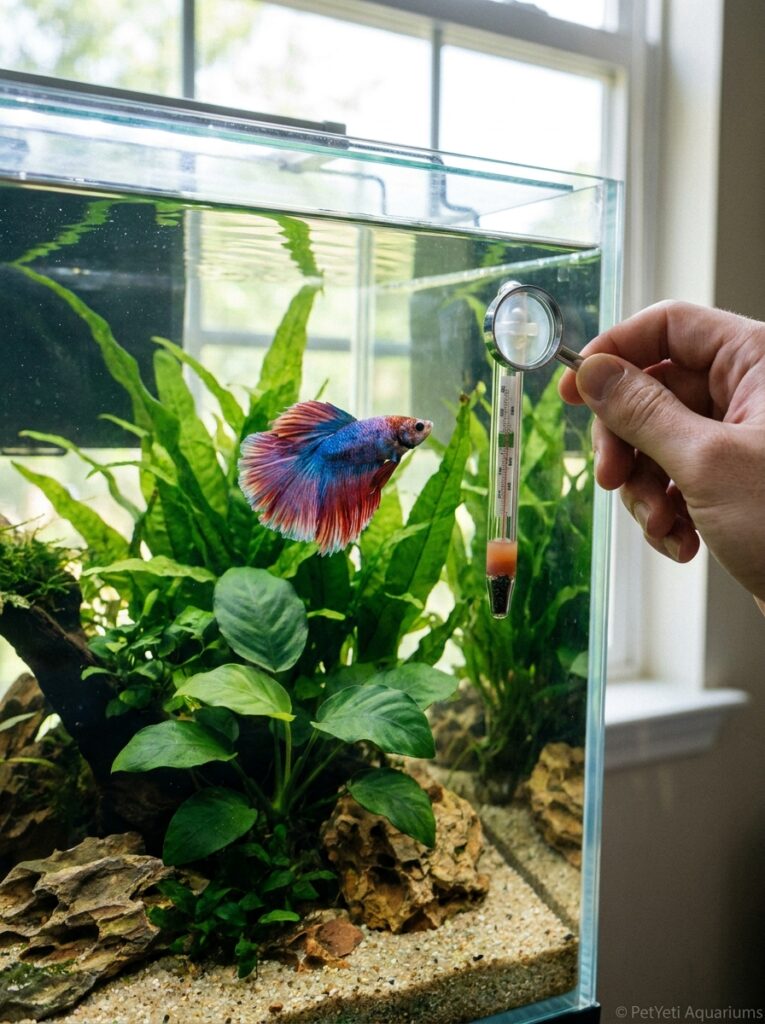
Excessively bright lighting, especially in tanks with little cover, can encourage fish to seek shelter.
On the other hand, aquariums with a balance of light, plants, and shaded areas often encourage more natural behavior.
Real-Life Example
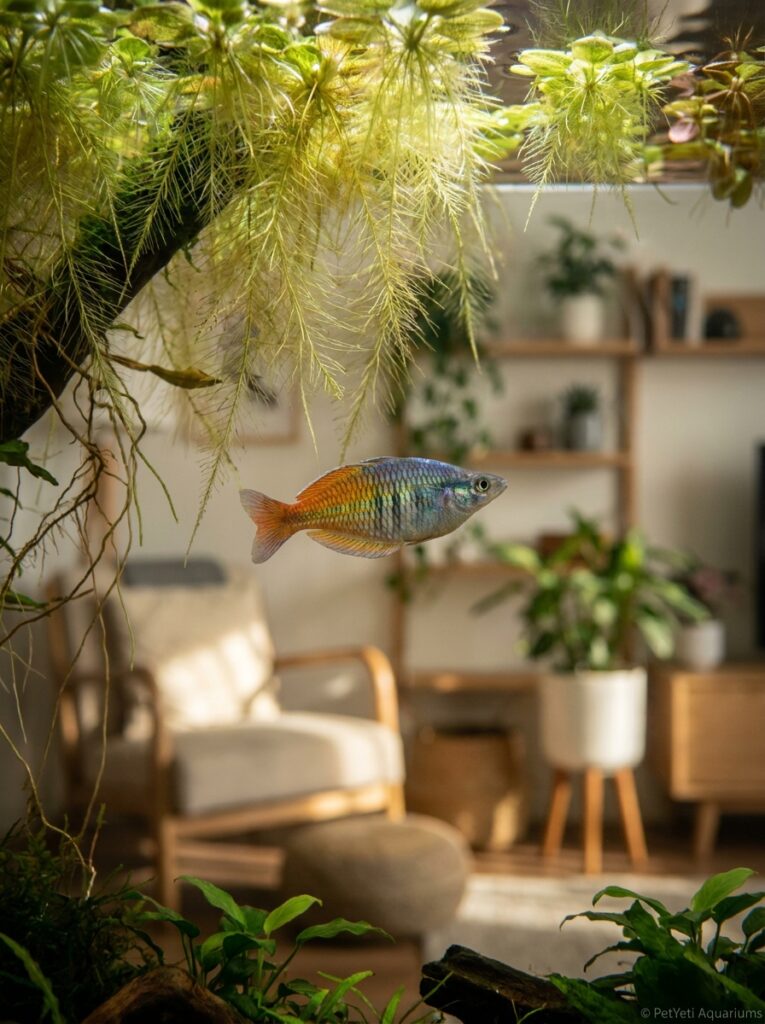
Many fish become noticeably more active after floating plants are added because the plants help soften overhead lighting and create a greater sense of security.
This doesn’t mean your aquarium should be dark.
It simply means fish often appreciate areas where they can move between light and shade.
A balanced environment usually produces the most confident behavior.
When Should You Actually Be Concerned?
This is the question most aquarium owners eventually ask.
The truth is that hiding alone rarely indicates a serious problem.
Many healthy fish hide occasionally.
Some species hide every single day and remain perfectly healthy.
The concern increases when hiding behavior appears suddenly and is accompanied by other unusual changes.
Consider investigating further if:
- The fish has stopped eating
- Activity levels have dropped significantly
- Multiple fish are hiding
- Aggression is occurring
- Water quality may be compromised
- Physical symptoms are present
Real-Life Example
A fish that spends an afternoon hiding after a water change is usually not a cause for concern. A fish that remains hidden for days, refuses food, and appears lethargic deserves closer observation.
Most of the time, hiding is simply a fish’s way of feeling safe.
The goal isn’t to eliminate hiding behavior completely.
The goal is to understand when it’s normal and when it might be telling you something important.
CONCLUSION
Finding a fish tucked behind plants or hiding among decorations can be unsettling, especially if it’s normally one of the most active residents in the aquarium.
The good news is that hiding is often completely normal.
Fish hide for many of the same reasons wild fish do. They seek security, adjust to new environments, avoid stress, and look for comfortable places to rest.
In many cases, a hiding fish isn’t a sick fish.
It’s simply a fish behaving naturally.
The most important step is to look at the bigger picture.
Ask yourself:
- Is the fish eating normally?
- Is it swimming normally when it does come out?
- Has anything recently changed in the aquarium?
- Are tank mates behaving peacefully?
- Is the environment providing enough cover?
Often, the answer becomes clear once you start observing patterns rather than focusing on a single behavior.
One of the best things about fishkeeping is learning to understand the subtle ways fish communicate.
A fish hiding behind a plant isn’t always a problem that needs fixing.
Sometimes it’s simply a sign that your fish is doing exactly what nature designed it to do.
As your aquarium matures and your confidence grows, you’ll become much better at recognizing the difference between normal behavior and genuine warning signs.
And that’s when fishkeeping starts feeling a lot less stressful and a lot more enjoyable.
FAQs
Is it normal for aquarium fish to hide?
Yes. Many fish naturally spend part of their day hiding among plants, driftwood, rocks, or decorations. This behavior often helps them feel secure.
Why is my new fish hiding all the time?
New fish commonly hide while adjusting to their surroundings. It may take several days before they feel comfortable enough to explore the aquarium confidently
Can stress cause fish to hide?
Absolutely. Stress is one of the most common reasons fish seek shelter. Changes in the aquarium, poor water quality, aggressive tank mates, or excessive activity near the tank can all contribute.
Why is my Betta fish hiding suddenly?
A Betta may hide due to stress, environmental changes, strong water flow, illness, or simply because it’s resting. Look for other symptoms before assuming something is seriously wrong.
Do fish hide when they’re sick?
Sometimes. Illness can cause fish to become less active and spend more time hiding. However, hiding alone does not automatically mean a fish is sick.
Can bright aquarium lights make fish hide?
Yes. Some fish prefer areas with shade and cover. Very bright lighting combined with limited hiding spots can encourage fish to stay out of sight.
Should I add more plants if my fish keeps hiding?
In many cases, yes. Live plants can help fish feel more secure and often encourage more natural behavior throughout the aquarium.
When should I worry about a hiding fish?
You should pay closer attention if hiding behavior is accompanied by appetite loss, lethargy, unusual swimming, rapid breathing, visible physical symptoms, or sudden behavior changes.