
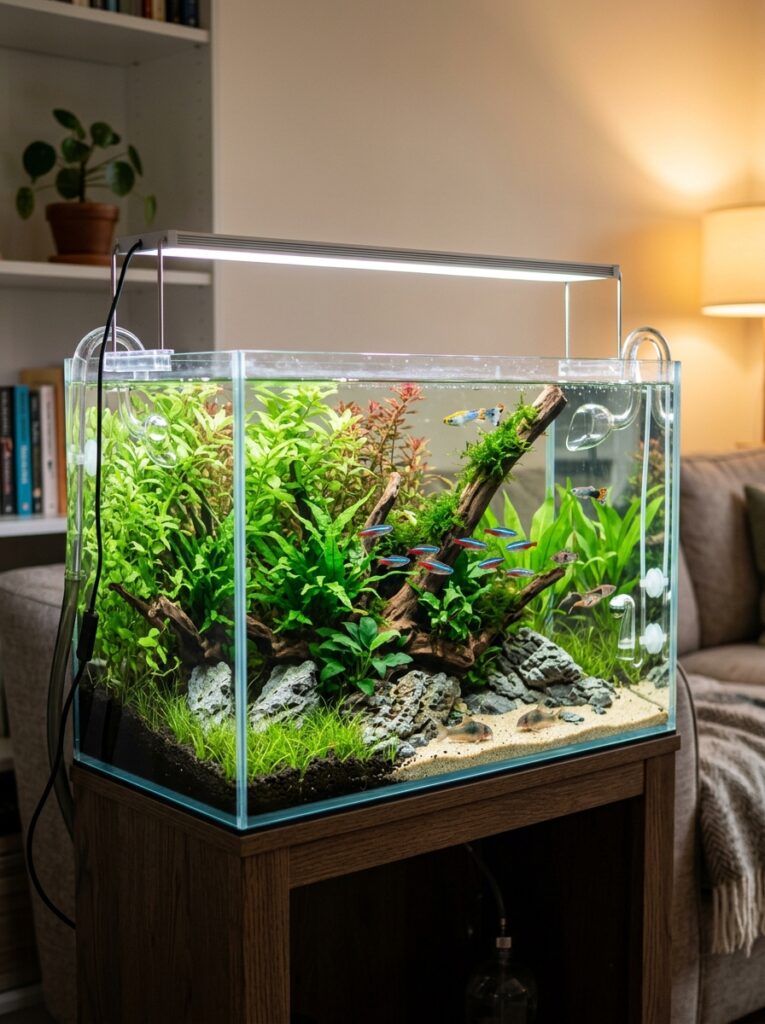
Easy aquarium plants make planted tanks feel calmer, greener, and much less intimidating for beginners.
Then they buy their first live plant, watch it struggle for a few weeks, and start wondering if they’re doing everything wrong.
The truth is, not all aquarium plants are created equal.
Some species can be surprisingly demanding, while others seem determined to survive almost anything a beginner throws at them. That’s why choosing the right plants from the start can make such a big difference.
Hardy plants give you room to learn. They tolerate small mistakes, adapt to a wide range of aquarium conditions, and often stay healthy without requiring constant attention.
If you’re new to live plants or simply want options that are easier to care for, this guide will walk through some of the toughest and most beginner-friendly aquarium plants available.
- Why Some Aquarium Plants Are Easier Than Others
- What Makes a Plant Hard to Kill?
- Anubias: The Beginner Favorite
- Java Fern: Thrives in Many Conditions
- Java Moss: Tough and Adaptable
- Amazon Sword: A Reliable Aquarium Classic
- Floating Plants That Practically Grow Themselves
- Common Mistakes That Damage Hardy Plants
- Building Confidence With Easy Aquarium Plants
- CONCLUSION
- FAQs
Why Some Aquarium Plants Are Easier Than Others
When beginners struggle with aquarium plants, it’s often not because they’re doing everything wrong.
It’s because they started with plants that were never beginner-friendly to begin with.
Some aquatic plants require stronger lighting, highly stable conditions, specialized nutrients, or more advanced care routines. While experienced hobbyists may enjoy that challenge, it can feel frustrating for someone who’s just getting started.
Hardier plants are different.
They’re naturally more adaptable and capable of growing in a wider range of aquarium conditions. Small mistakes that might seriously affect a delicate species often have very little impact on tougher plants.
That’s why experienced aquarium keepers frequently recommend starting simple. A healthy, thriving easy-care plant is far more enjoyable than a demanding plant that’s constantly struggling.
The goal isn’t perfection. It’s building confidence and creating a planted aquarium that feels rewarding rather than stressful.
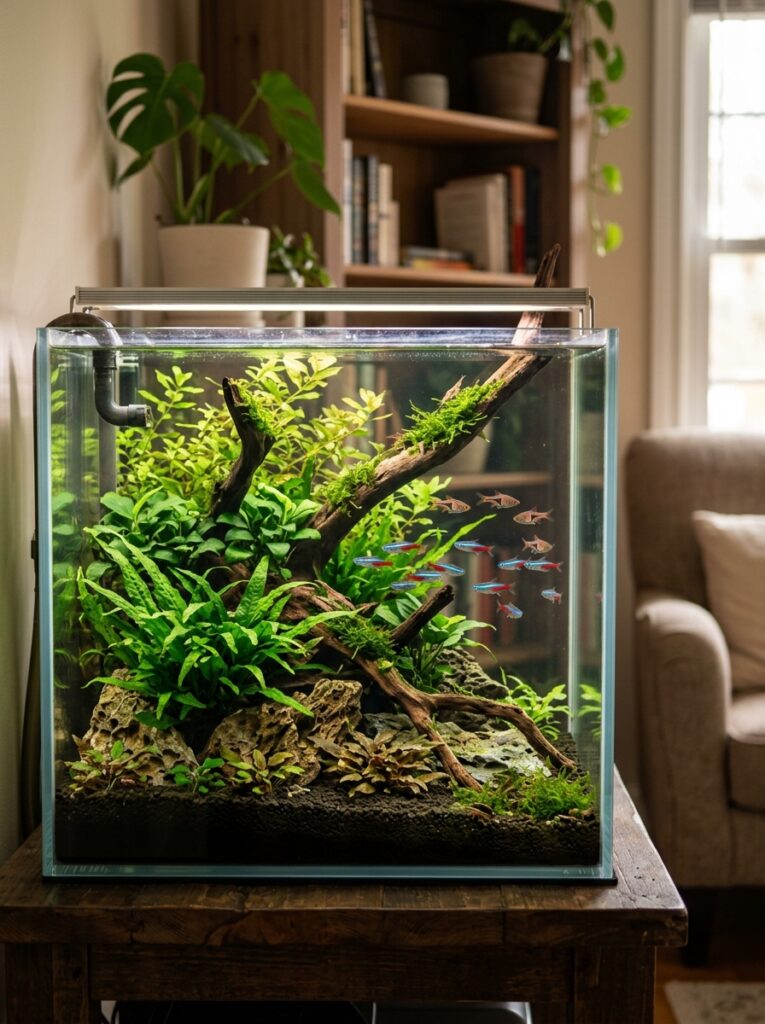
What Makes a Plant Hard to Kill?
The easiest aquarium plants usually share a few important traits.
They’re adaptable, resilient, and capable of growing under a variety of conditions. They don’t demand perfect lighting schedules or constant adjustments to thrive.
Many hardy plants also grow slowly, which means they require less trimming and maintenance. They tend to recover well from minor mistakes and often remain attractive even when conditions aren’t ideal.
Another advantage is stability. Beginner-friendly plants often maintain a consistent appearance rather than dramatically declining if something changes slightly in the aquarium.
That doesn’t mean they’re indestructible, of course. Every plant has basic care requirements.
But compared to more demanding species, these plants offer a much wider margin for error, which makes them perfect for beginners learning the hobby.
Anubias: The Beginner Favorite
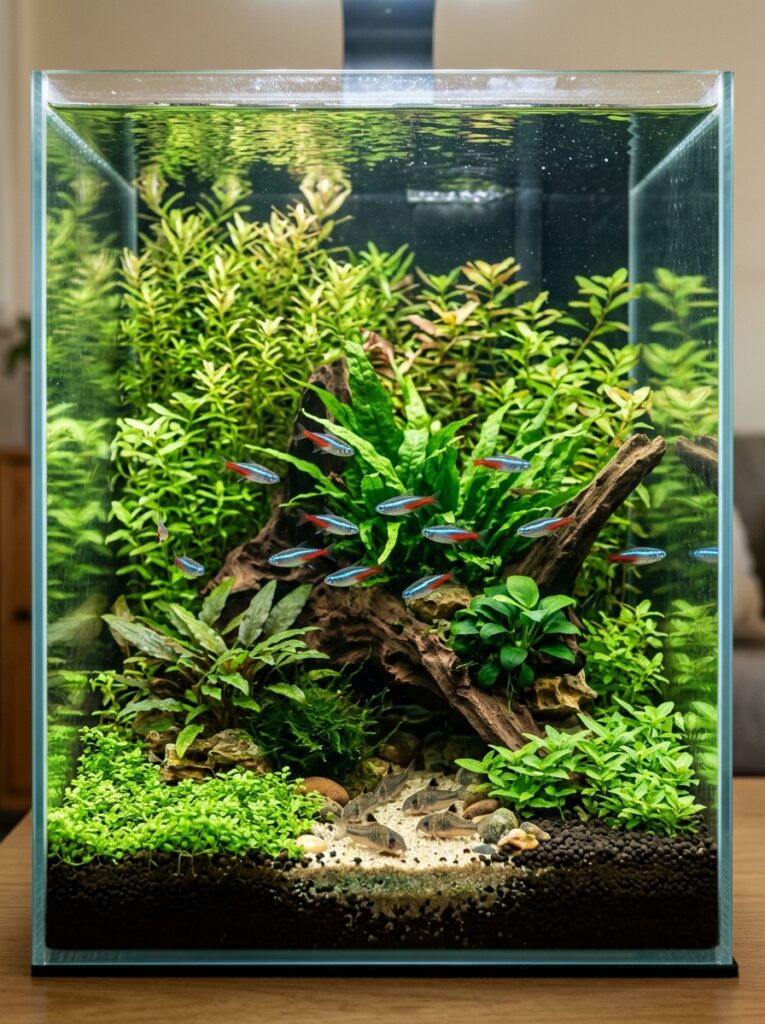
If you ask experienced aquarium hobbyists to recommend a plant for beginners, Anubias is almost guaranteed to make the list.
This plant has earned its reputation by being incredibly forgiving. It tolerates lower light levels, adapts to a wide range of aquarium conditions, and generally asks for very little in return.
One of the reasons beginners love Anubias is that it grows slowly. Instead of constantly trimming leaves or managing rapid growth, you can simply enjoy the plant and let it develop naturally over time.
Its thick, dark green leaves also make it visually appealing. Even a small piece of Anubias attached to driftwood can add a mature, established look to an aquarium.
Because it’s so resilient and attractive, Anubias remains one of the best starting points for anyone exploring live plants for the first time.
Java Fern: Thrives in Many Conditions
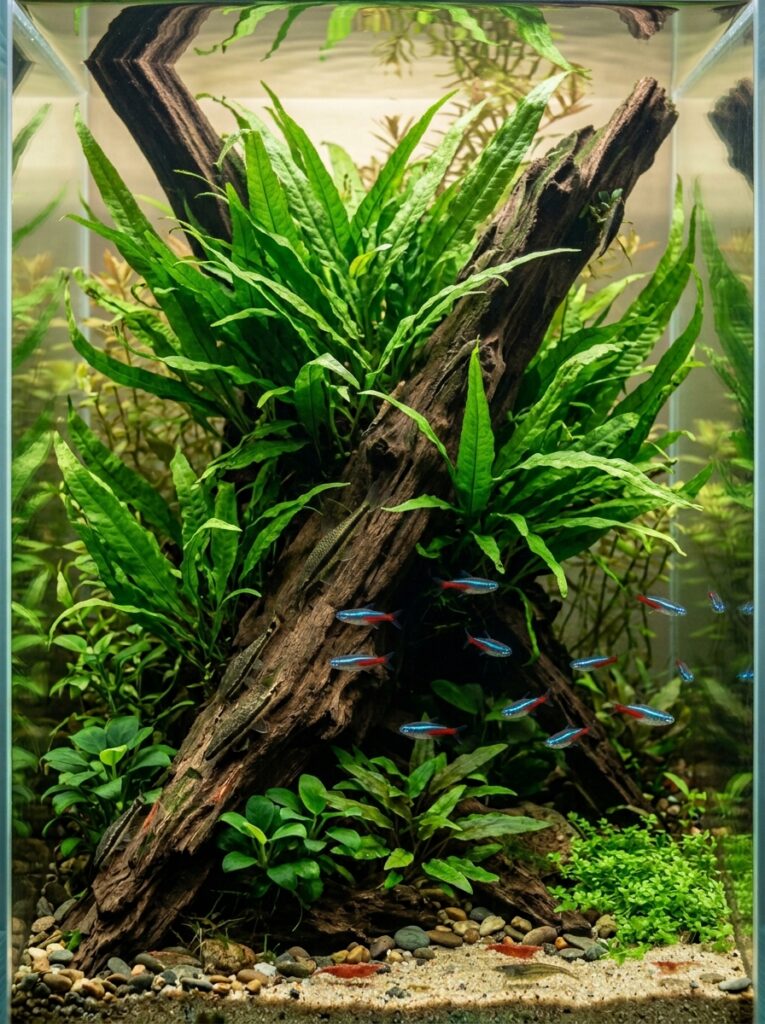
Java fern is another plant that has helped countless beginners succeed with planted aquariums.
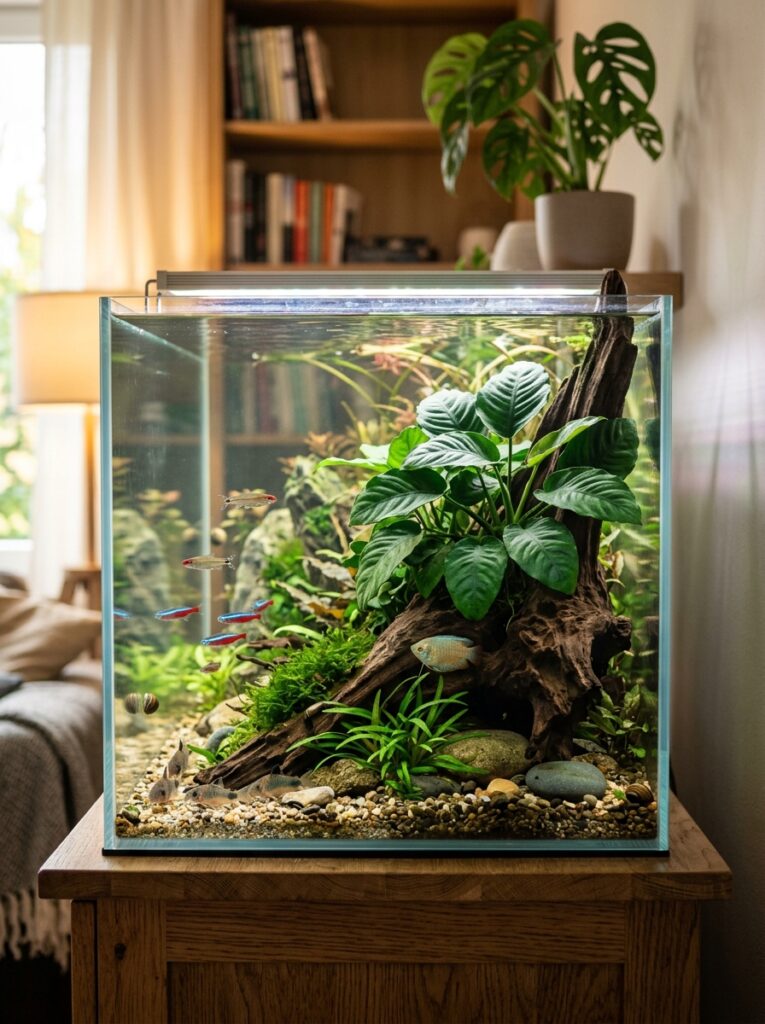
Its long, elegant leaves create movement and texture that can make even a simple aquarium feel more natural. Many aquascapers use Java fern to soften hardscape elements like rocks and driftwood while adding depth to the layout.
One reason it’s so popular is adaptability. Java fern grows well in many different aquarium environments and generally doesn’t require intense lighting or advanced care.
Like Anubias, it’s often attached to driftwood or rocks rather than buried in the substrate. That flexibility gives hobbyists plenty of creative freedom when designing their aquariums.
For beginners who want a plant that’s both attractive and easy to care for, Java fern continues to be one of the safest recommendations in the hobby.
Java Moss: Tough and Adaptable
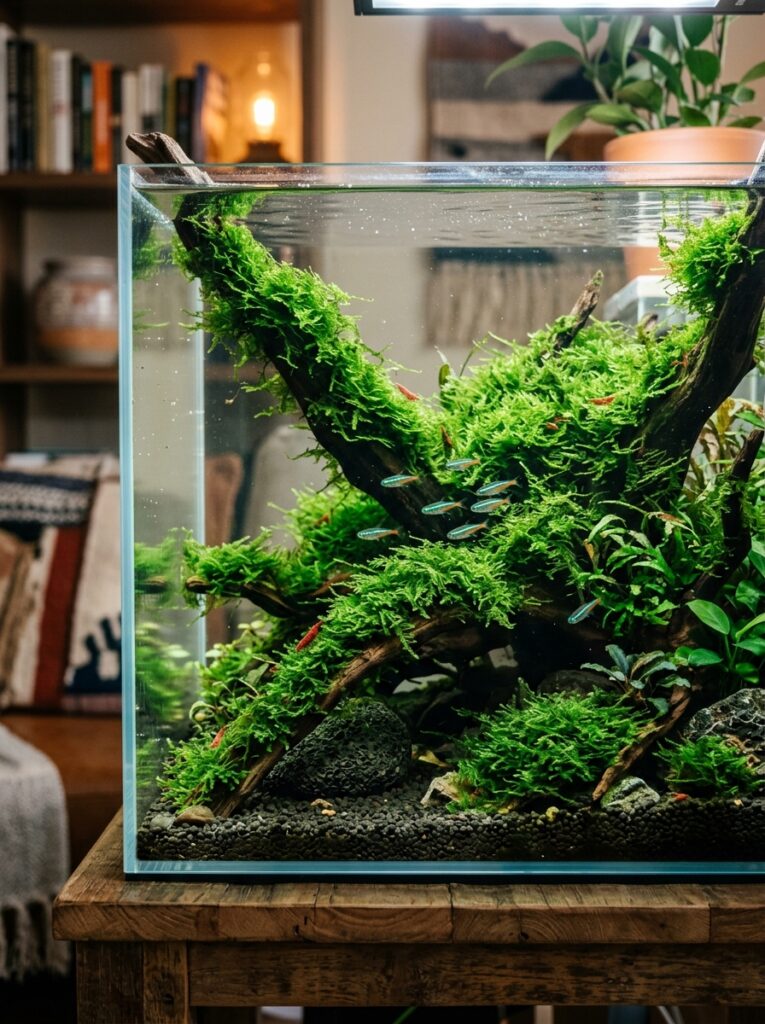
Java moss may not be the flashiest plant in the aquarium hobby, but it’s one of the most useful.
This hardy plant can grow on driftwood, rocks, decorations, and even aquarium backgrounds, making it incredibly versatile. Over time, it creates a soft, natural appearance that helps an aquarium feel more mature and established.
Many fish appreciate Java moss as well. Small fish often explore it, while shy species may use it as cover when they want a little extra security.
One reason beginners love Java moss is that it doesn’t demand much attention. It can tolerate a wide range of conditions and usually continues growing even when other plants might struggle.
Another advantage is its ability to soften hardscape elements. A piece of driftwood covered in healthy Java moss often looks far more natural than bare wood alone.
If your goal is to create a cozy, nature-inspired aquarium without adding complexity, Java moss is one of the easiest ways to get there.
Amazon Sword: A Reliable Aquarium Classic
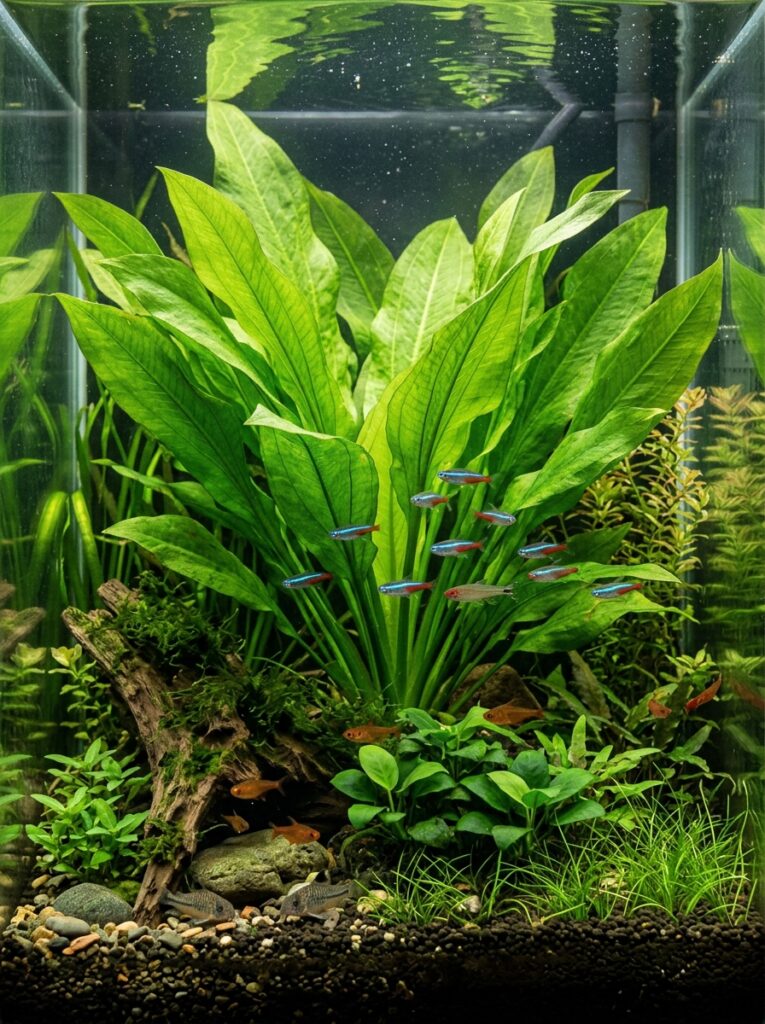
Amazon sword has been a staple of the aquarium hobby for years, and for good reason.
Its large, broad leaves make it one of the easiest plants to notice in an aquarium. While smaller plants often blend into the background, a healthy Amazon sword naturally becomes a focal point.
Despite its impressive appearance, Amazon sword is surprisingly beginner-friendly. It adapts well to many aquarium conditions and can thrive in setups that don’t use advanced equipment.
This plant works particularly well in medium and larger aquariums where it has room to grow. Many hobbyists place it near the back of the tank, allowing its lush leaves to create a beautiful green backdrop.
Amazon sword is also excellent for creating a natural feel. Even a simple aquarium can look fuller, healthier, and more established once a mature sword plant begins to spread its leaves.
For beginners who want a plant with a little more visual impact, Amazon sword is often an excellent choice.
Floating Plants That Practically Grow Themselves
Some floating plants are so easy to keep that they almost seem to grow on autopilot.
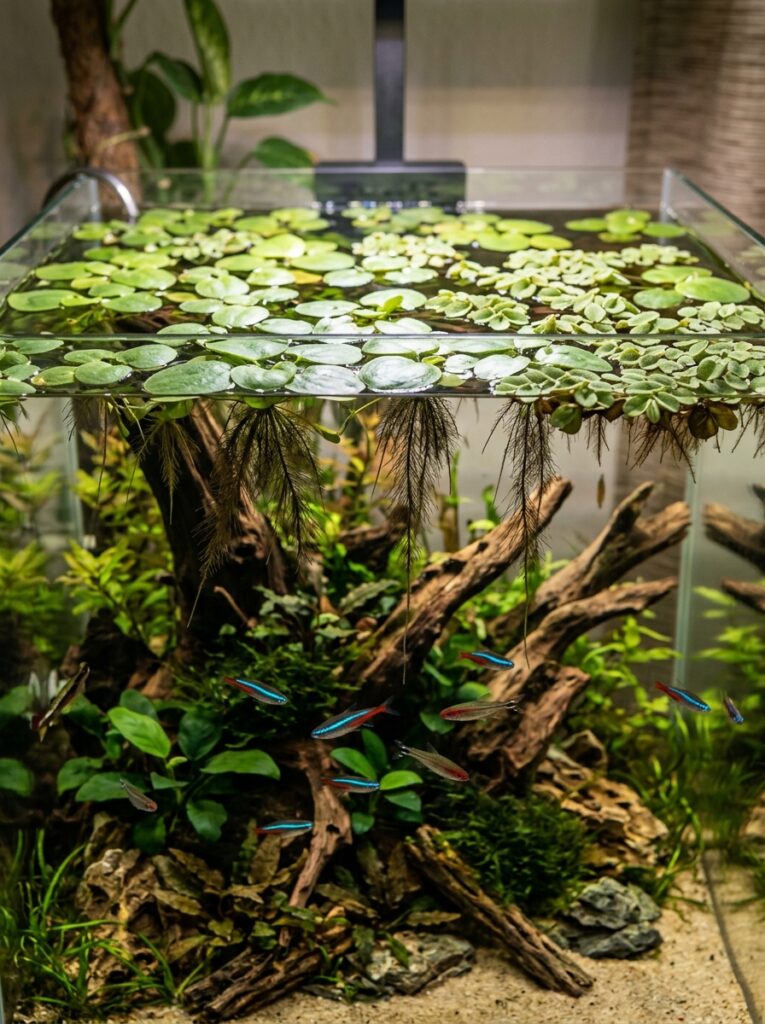
Species such as Amazon frogbit, salvinia, and other beginner-friendly floaters have become popular because they require very little effort while providing significant visual benefits.
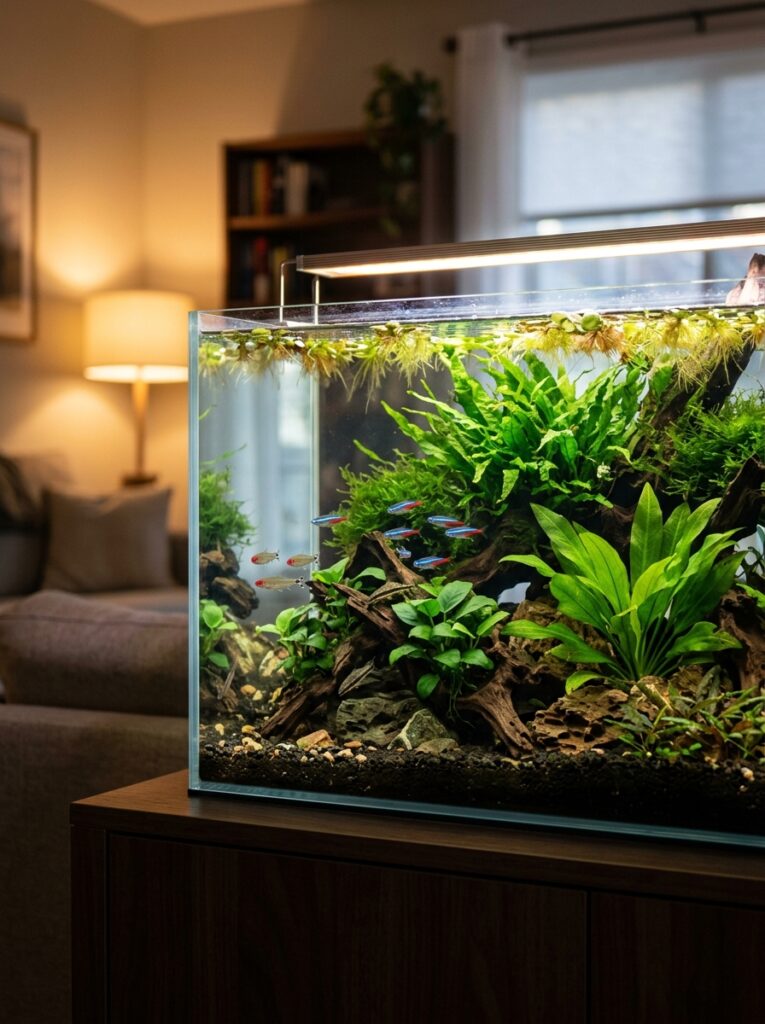
Floating plants create shade, soften the appearance of bright lighting, and add an extra layer of greenery to the aquarium. Many fish also seem to appreciate the sense of cover they provide.
For beginners, they’re often one of the easiest ways to make an aquarium feel more natural. Even a simple tank can look dramatically different once a healthy layer of floating plants begins to develop.
The key is balance. A little coverage can look beautiful, but allowing floating plants to completely cover the surface may create maintenance challenges over time.
Used thoughtfully, floating plants can become one of the lowest-maintenance additions to a planted aquarium.
Common Mistakes That Damage Hardy Plants
Hardy plants are forgiving, but they aren’t indestructible.
One of the most common beginner mistakes is treating aquarium plants like plastic decorations. Live plants still have basic needs, and ignoring them completely can eventually lead to problems.
Another mistake is constantly moving plants around the aquarium. Frequent changes can make it harder for plants to settle and establish healthy growth.
Many beginners also expect instant results. Some of the toughest plants in the hobby grow slowly, which means patience is part of the process.
Overcrowding the aquarium can create issues too. A tank packed with too many plants may lose the clean, balanced appearance that makes planted aquariums so attractive.
The good news is that most of these mistakes are easy to avoid. Consistency, patience, and simple care habits usually produce far better results than constantly chasing perfection.
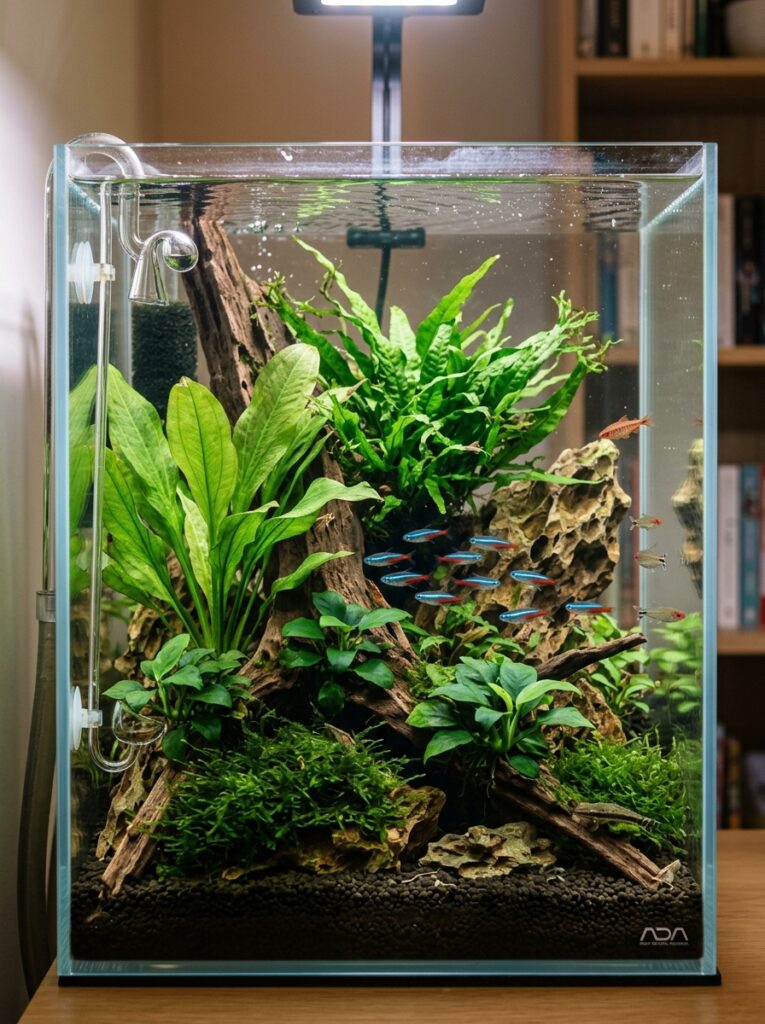
Building Confidence With Easy Aquarium Plants
The best beginner plants do more than improve an aquarium.
They help build confidence.
When a plant stays healthy, grows steadily, and responds well to basic care, it teaches valuable lessons about the aquarium ecosystem. Those small successes often encourage hobbyists to learn more and try new things.
That’s one reason easy plants remain popular even among experienced aquarists. They provide reliable results and contribute to beautiful aquariums without demanding constant attention.
Whether you start with Anubias, Java fern, Java moss, Amazon sword, floating plants, or a combination of several species, the goal is the same: create an aquarium that feels healthy, natural, and enjoyable to maintain.
And once you experience how rewarding live plants can be, it’s easy to understand why so many aquarium owners never go back to artificial decor.
Related PetYeti Guides
Easy aquarium plants are usually beginner-friendly, but they still grow better with the right light, nutrients, and tank setup. These guides can help you keep plants healthy without making the aquarium complicated:
CONCLUSION
Keeping live plants doesn’t have to feel intimidating.
The truth is, some aquarium plants are remarkably resilient and can thrive even when you’re still learning the basics of the hobby.
Plants like Anubias, Java fern, Java moss, Amazon sword, and beginner-friendly floating plants have earned their popularity because they consistently deliver good results without demanding expert-level care.
They’re forgiving, attractive, and capable of transforming an ordinary aquarium into something that feels far more natural and alive.
If you’re new to planted tanks, start simple. Choose a few hardy species, focus on consistency, and give the plants time to settle in.
You might be surprised by how easy live plants can be once you begin with the right ones.
FAQs
What is the hardest aquarium plant to kill?
Anubias is often considered one of the toughest aquarium plants for beginners because it tolerates a wide range of conditions and generally requires very little maintenance.
Are live plants difficult to keep in an aquarium?
Not necessarily. Many beginner-friendly plants are surprisingly easy to care for and don’t require advanced equipment or expert knowledge.
Can easy aquarium plants grow in low light?
Yes. Many hardy plants such as Anubias, Java fern, and Java moss are well known for growing successfully in low-light aquariums.
What plant should I buy first for a beginner aquarium?
Anubias and Java fern are two of the most commonly recommended first plants because they’re adaptable, attractive, and easy to care for.
Do live plants help fish?
Live plants can create a more natural environment, provide shelter, and contribute to the overall appearance and balance of an aquarium.
Can I keep live plants in a small aquarium?
Absolutely. Many hardy plants work extremely well in nano aquariums, betta tanks, and other compact setups.