
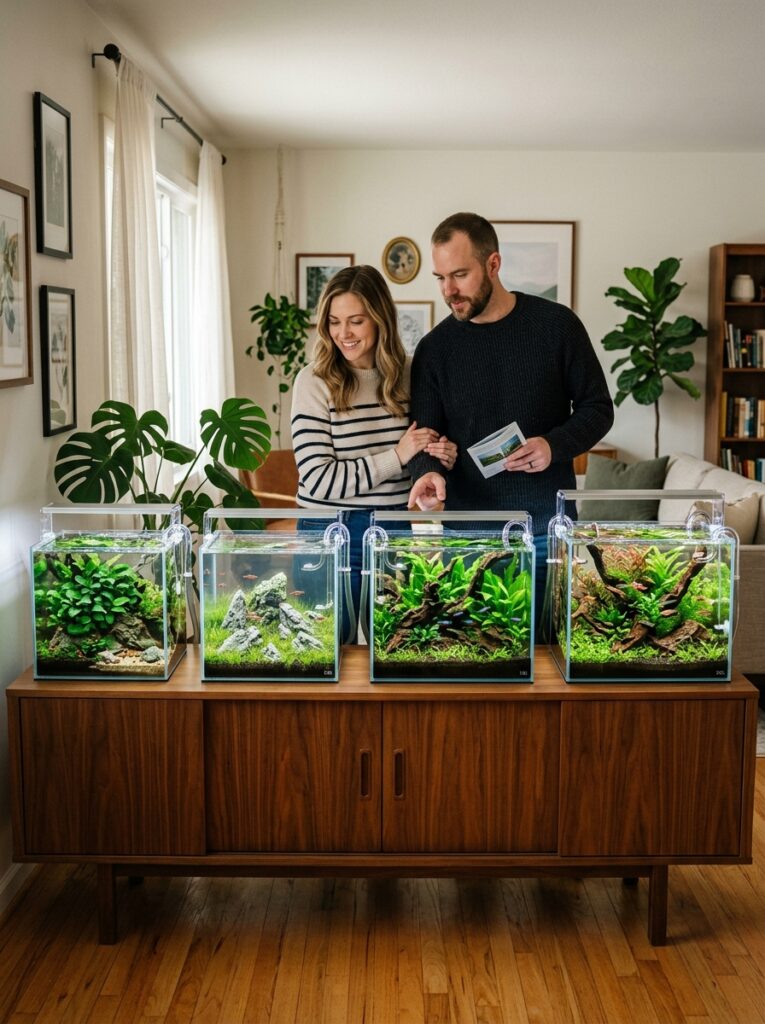
Choosing the right aquarium size for beginners is one of the most important steps in creating a stable, healthy, and enjoyable fish tank. Many new aquarium owners assume smaller tanks are easier to manage, but the reality is often the opposite. Aquarium size affects maintenance, fish health, aquascaping possibilities, and the overall experience of keeping an aquarium.
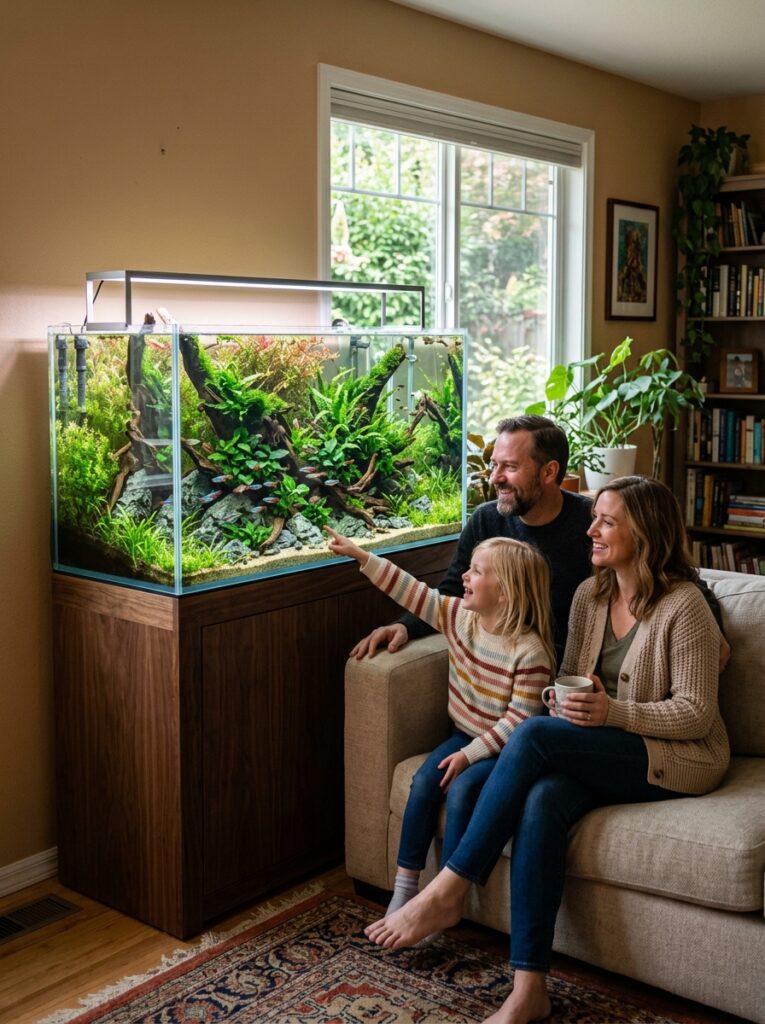
The ideal aquarium should fit comfortably within your home while providing enough space for fish, plants, and a stable environment. A well-sized aquarium often feels easier to maintain and more enjoyable to live with over the long term.
In this guide, we’ll explore how beginners can choose the right aquarium size based on available space, maintenance goals, and the type of aquarium experience they want to create.
Before choosing equipment or fish, our beginner aquarium setup checklist can help you plan the full setup around your tank size.
Quick Answer
The right aquarium size for most beginners is usually 10 to 20 gallons. A 5-gallon tank can work for a single Betta or shrimp setup, but it gives beginners less room for mistakes. A 10-gallon tank is easier to manage than many people expect, while a 20-gallon tank gives fish more swimming space and usually stays more stable.
- Why Aquarium Size Matters More Than Most Beginners Realize
- Are Small Aquariums Really Easier to Maintain?
- Best Aquarium Sizes for Apartments and Small Homes
- Choosing an Aquarium Size Based on Your Fish
- How Aquarium Size Affects Maintenance and Water Stability
- Finding the Right Balance Between Space and Simplicity
- Common Aquarium Size Mistakes Beginners Make
- Choosing an Aquarium You'll Enjoy Long Term
- CONCLUSION
- FAQs
WHAT TO CHECK FIRST
Before choosing an aquarium size, check these basics:
- Fish type — Bettas, shrimp, schooling fish, and community fish need different space.
- Available room — measure the stand, desk, shelf, or wall area first.
- Maintenance comfort — larger tanks need more water per change, but can stay more stable.
- Budget — bigger tanks often need stronger filters, heaters, and stands.
- Long-term plan — choose a tank size you can enjoy and maintain for months, not just set up once.
As an Amazon Associate, PetYeti earns from qualifying purchases. This comes at no additional cost to you and helps support the site. We only recommend products we genuinely believe can help create healthier and more enjoyable aquariums.
Why Aquarium Size Matters More Than Most Beginners Realize
Aquarium size influences nearly every part of the fishkeeping experience. It affects fish health, water stability, maintenance requirements, aquascaping possibilities, and even how enjoyable the aquarium feels inside a home.
Many beginners focus primarily on where the aquarium will fit, but size also determines how much room fish have to behave naturally and how stable the environment remains over time. Larger volumes of water generally provide more stability, while extremely small aquariums often require closer attention to maintain balance.
Choosing the right size from the beginning can help create a smoother and more enjoyable aquarium journey while avoiding many common beginner frustrations.
Are Small Aquariums Really Easier to Maintain?
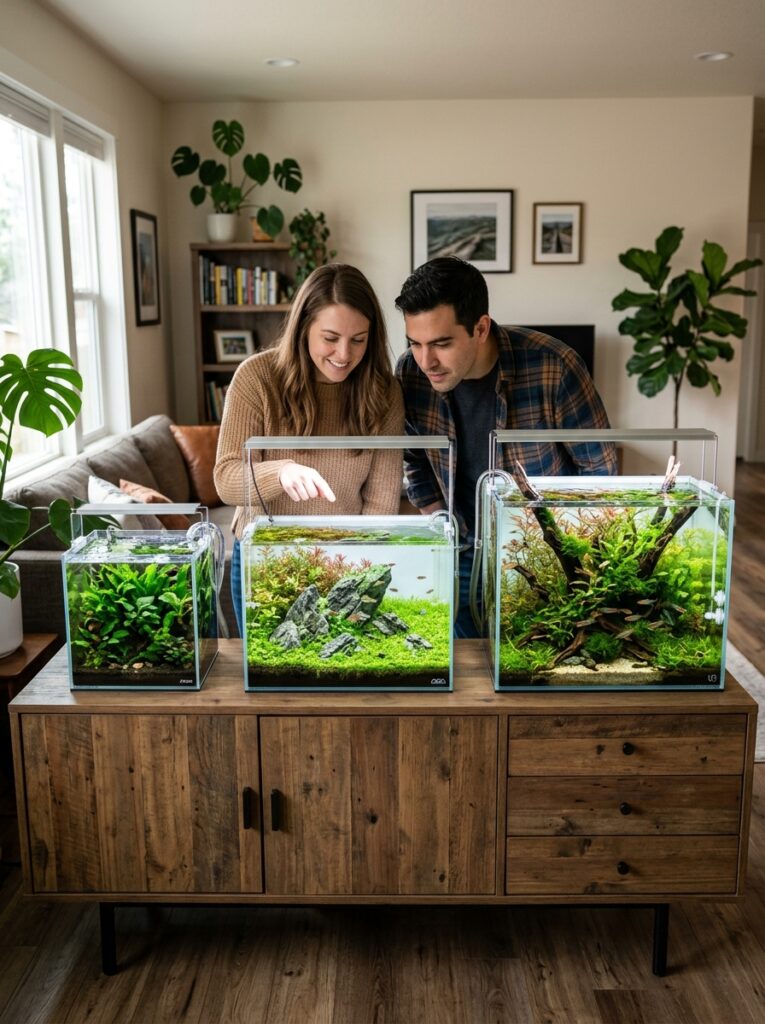
One of the most common beginner misconceptions is that smaller aquariums automatically require less work. While smaller tanks take up less space, they can actually be less forgiving when problems occur because changes in water conditions happen more quickly.
Larger aquariums often provide greater stability, giving fish, plants, and beneficial bacteria more room to establish a balanced environment. Smaller aquariums can still be successful, but they usually benefit from consistent maintenance and thoughtful stocking decisions.
For many beginners, choosing a slightly larger aquarium often creates a more relaxed and manageable experience than selecting the smallest tank available.
Best Aquarium Sizes for Apartments and Small Homes
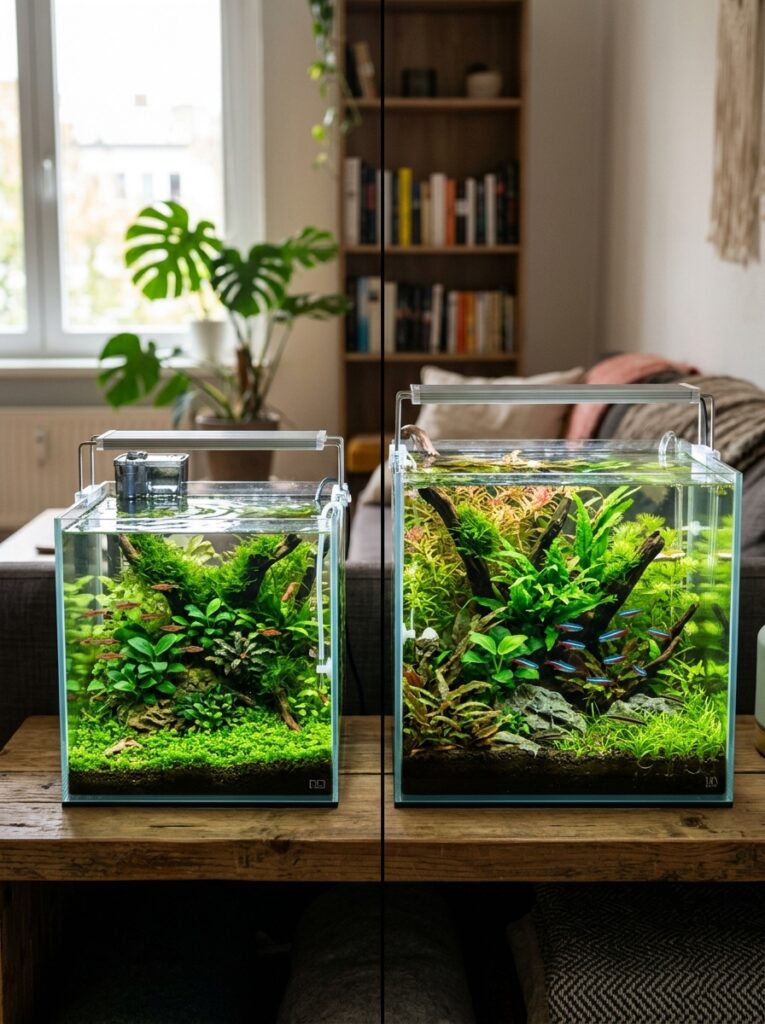
Many apartment owners assume they need extremely small aquariums, but a well-planned medium-sized aquarium often works beautifully in compact living spaces. The best aquarium size usually depends on available furniture, room layout, and the type of fishkeeping experience you want to create.
Aquariums in the 5 to 20 gallon range are popular because they often provide a good balance between manageable maintenance, aquascaping flexibility, and practical space requirements. They can fit comfortably on sturdy furniture while still providing room for healthy planted environments.
⭐ PetYeti Pick: Beginner-Friendly Aquarium Size
Recommended Option: 10–20 Gallon Aquarium Starter Kit
Best For:
✓ Beginner fishkeepers
✓ Small apartments
✓ Peaceful community tanks
✓ Low-maintenance planted setups
Why We Like It:
✓ More stable than very tiny tanks
✓ Still practical for most homes
✓ Gives more room for plants and fish
✓ Easier to enjoy long term
PetYeti Take:
For many beginners, a 10–20 gallon aquarium offers the best balance between stability, space, and everyday practicality. It feels manageable while giving the aquarium enough room to become a healthy little ecosystem.
👉 View Aquarium Starter Kit Options
The goal is not simply choosing the smallest aquarium possible, but finding a size that feels comfortable both for the home and for the aquarium ecosystem.
Choosing an Aquarium Size Based on Your Fish
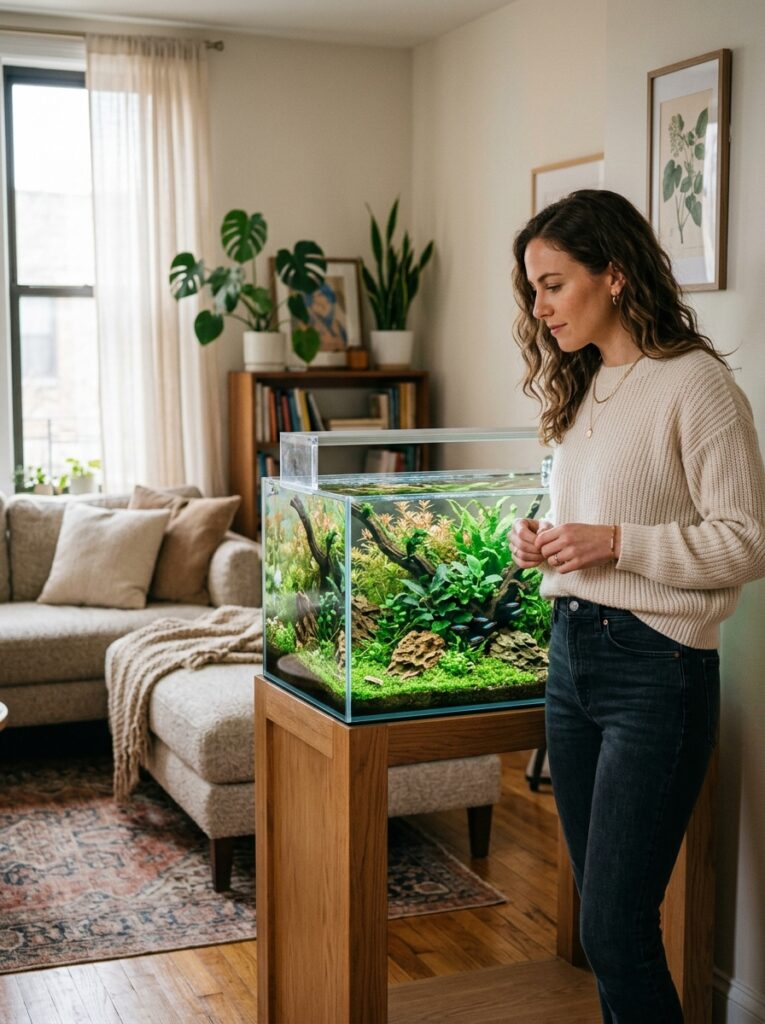
The fish you plan to keep should play a major role in determining aquarium size. Different species have different space requirements, activity levels, and long-term needs. Choosing an aquarium based solely on available space can sometimes create limitations later.
Betta fish, shrimp, and some nano community species can thrive in smaller planted aquariums when provided with appropriate conditions. Larger community fish, active schooling species, and fish that require group living often benefit from larger aquariums that provide additional swimming space and environmental stability.
Smaller Setup Option
Recommended Option: 5-Gallon Betta Aquarium Kit
Best For:
✓ Betta fish
✓ Nano planted tanks
✓ Desk aquariums
✓ Small-space homes
Why We Like It:
✓ Compact footprint
✓ Beginner-friendly size for one betta
✓ Room for live plants
✓ Easier to place in apartments or bedrooms
PetYeti Take:
A 5-gallon aquarium can work beautifully for a betta when it is properly filtered, heated when needed, and maintained consistently. It is small enough for real homes but still gives a betta more comfort than tiny bowls or novelty tanks.
Who Should Skip It:
Skip this if you want a beginner community aquarium or plan to keep active schooling fish.
👉 View 5-Gallon Aquarium Kit Options
A good approach is to choose the fish you love first and then select an aquarium that allows them to live comfortably rather than trying to force every species into the same tank size.
How Aquarium Size Affects Maintenance and Water Stability
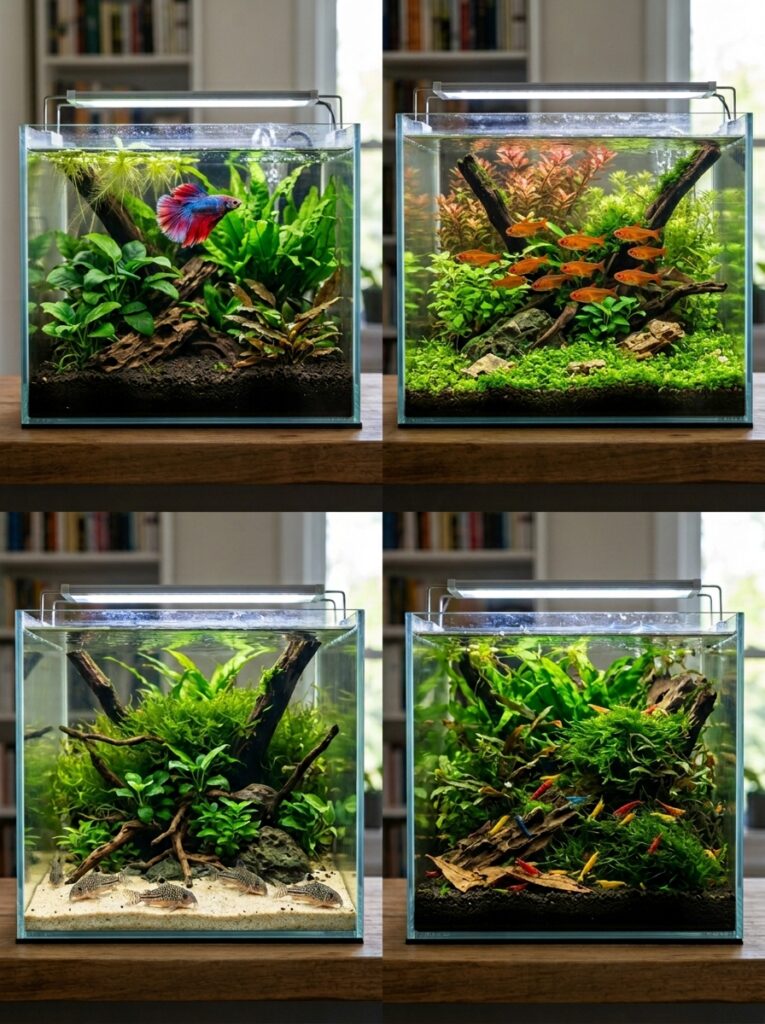
Aquarium size has a direct impact on how stable the environment remains over time. Larger water volumes generally help soften sudden changes, making it easier to maintain consistent conditions for fish and plants.
Smaller aquariums can still be highly successful, but they often respond more quickly to overfeeding, missed maintenance, or unexpected changes. This doesn’t mean beginners should avoid smaller tanks, but it does mean they should understand the trade-offs involved.
Many hobbyists discover that a slightly larger aquarium provides a comfortable balance between manageable maintenance and long-term stability.
Finding the Right Balance Between Space and Simplicity
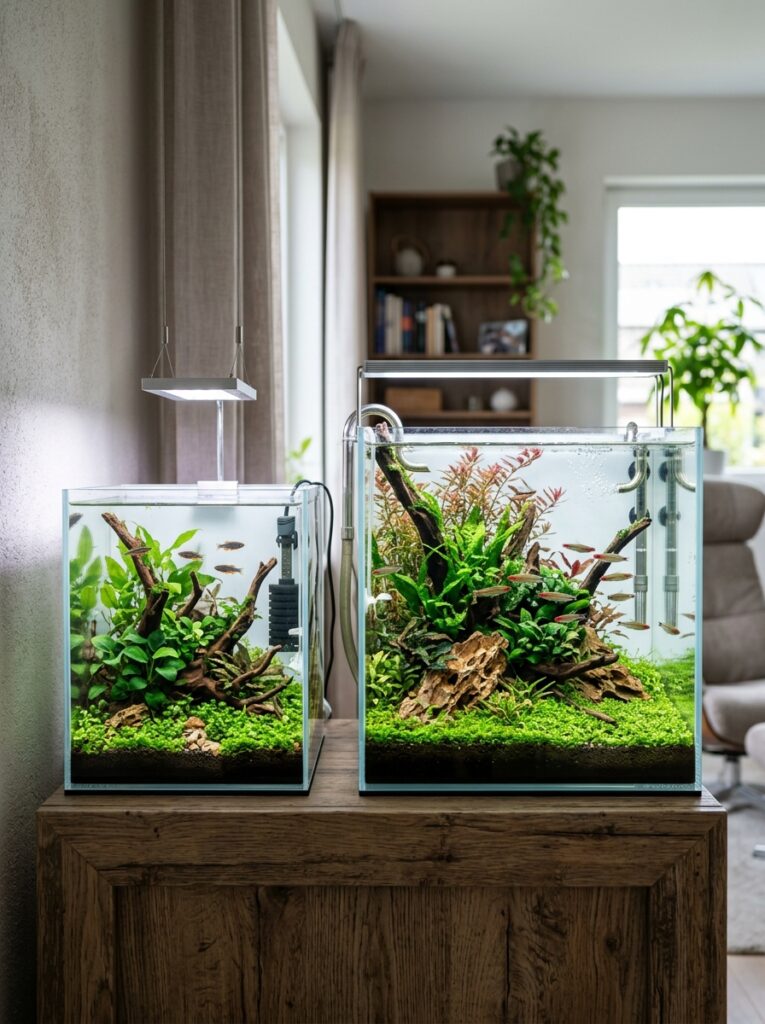
The ideal aquarium is not necessarily the largest one you can fit into a room. Instead, it should match your available space, lifestyle, maintenance expectations, and long-term goals.
Many beginners enjoy aquariums most when the setup feels manageable rather than overwhelming. A thoughtfully sized aquarium can provide enough room for beautiful aquascaping and healthy fish while still fitting naturally into daily life.
Finding this balance often creates a more enjoyable experience than choosing an aquarium based entirely on trends or assumptions about what is considered “best.”
Common Aquarium Size Mistakes Beginners Make
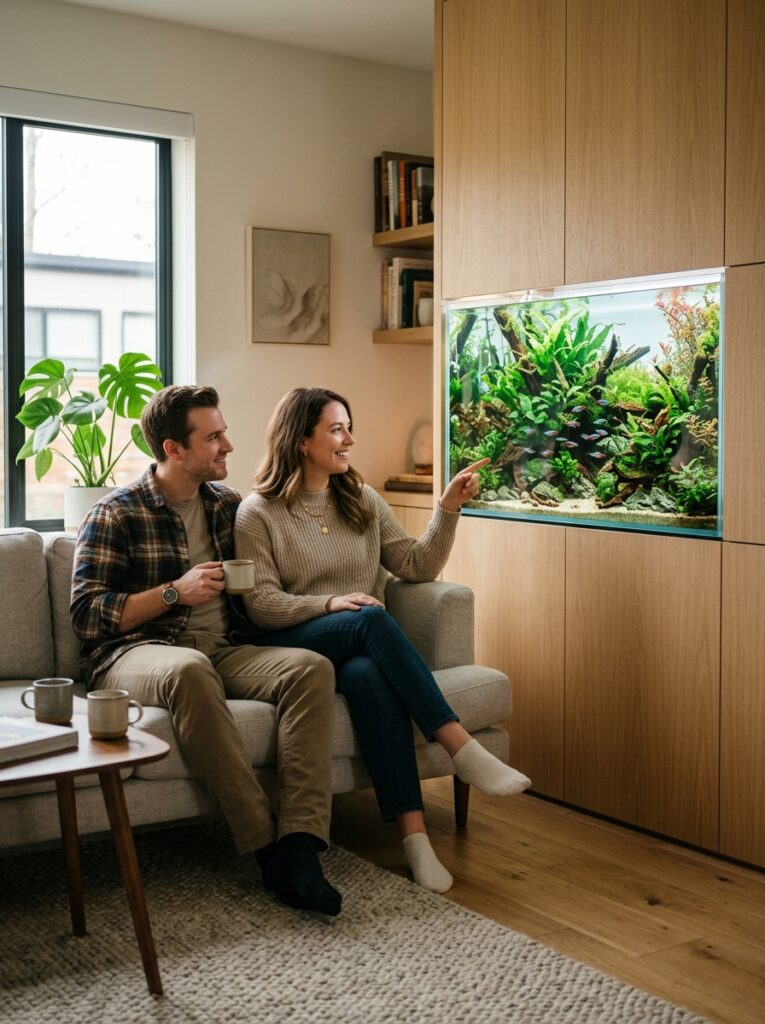
Many beginners accidentally choose an aquarium based only on appearance or available shelf space without considering long-term practicality. While compact aquariums can look appealing, they may not always provide the easiest experience for new fishkeepers.
Another common mistake is purchasing an aquarium that leaves no room for future growth. After gaining confidence, many hobbyists quickly discover they would like additional plants, more aquascaping flexibility, or different fish species. Starting with an appropriately sized aquarium often prevents the need for early upgrades.
Some beginners also underestimate the importance of stable placement. An aquarium should sit on sturdy furniture, receive appropriate lighting, and fit comfortably within the room without feeling crowded or out of place.
Helpful Safety Upgrade
Recommended Option: Aquarium Stand
Best For:
✓ 10–20 gallon aquariums
✓ Living rooms
✓ Bedrooms
✓ Home office setups
Why We Like It:
✓ Provides stable support
✓ Helps the aquarium look intentional
✓ Reduces furniture-related risk
✓ Keeps supplies organized when storage is included
PetYeti Take:
Aquariums are heavier than many beginners expect once they are filled with water, substrate, rocks, and equipment. A proper stand can make the setup safer, cleaner, and more visually polished.
Choosing an Aquarium You’ll Enjoy Long Term
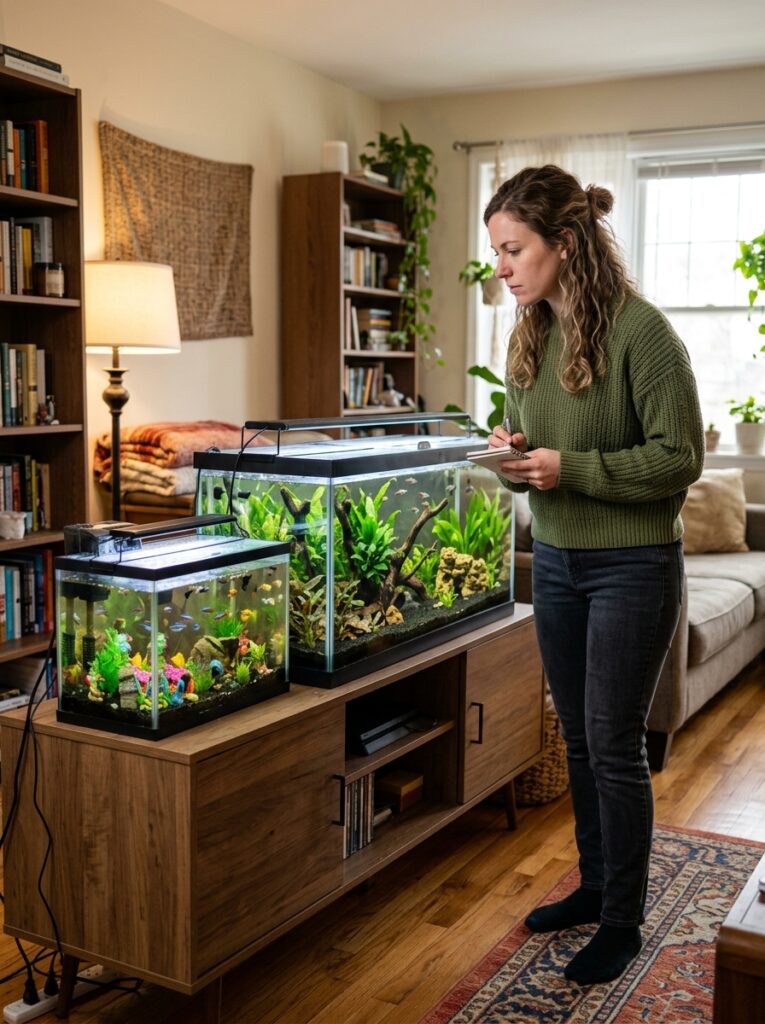
The best aquarium size is often the one that continues fitting comfortably into your life months and years after setup. A successful aquarium should feel enjoyable to maintain, visually pleasing within the home, and capable of supporting the fish and plants you want to keep.
Many experienced hobbyists recommend thinking beyond the first few weeks and considering how the aquarium will function as it matures. Healthy plants grow, aquascapes evolve, and your confidence as a fishkeeper naturally develops over time.
Choosing a size that supports both your current needs and future enjoyment often leads to a more rewarding and relaxing aquarium experience.
Related PetYeti Guides
Choosing the right tank size is easier when you understand stocking, cycling, and beginner-friendly equipment.
Still planning your fish list? Read our guide on how many fish you can put in an aquarium.
Want to avoid overcrowding? See Aquarium Stocking Mistakes Beginners Make.
Setting up a new tank? Start with Aquarium Cycling Explained for Beginners.
Need help choosing filtration? Read our beginner aquarium filter guide.
Planning a betta setup? See our guide to setting up a beautiful betta fish tank for beginners.
CONCLUSION
Choosing the right aquarium size is one of the most important decisions a beginner can make. While smaller aquariums may seem simpler at first, the best choice often depends on your available space, maintenance preferences, and the type of aquarium experience you want to create.
A well-sized aquarium provides room for healthy fish, stable water conditions, beautiful aquascaping, and long-term enjoyment. The goal is not to buy the biggest aquarium possible, but to find a size that feels comfortable, manageable, and sustainable within your home.
With thoughtful planning, the right aquarium can become a relaxing and rewarding part of daily life while providing a healthy environment for fish and plants to thrive.
FAQs
What is the best aquarium size for beginners?
Many beginners find aquariums between 5 and 20 gallons offer a good balance between maintenance, stability, and available space.
Are small aquariums harder to maintain?
In many cases, yes. Smaller aquariums can experience changes in water conditions more quickly, which may require closer attention and consistent maintenance.
Is a 5-gallon aquarium good for a betta fish?
A properly maintained 5-gallon aquarium is commonly recommended as a beginner-friendly size for a betta fish because it provides space for swimming, plants, and stable conditions.
Should I choose my aquarium size before choosing fish?
It is often helpful to decide which fish you want first and then choose an aquarium that provides appropriate space for their long-term needs.
Can a larger aquarium be easier for beginners?
Many hobbyists believe slightly larger aquariums are easier because they often provide greater water stability and more flexibility for aquascaping and stocking.