
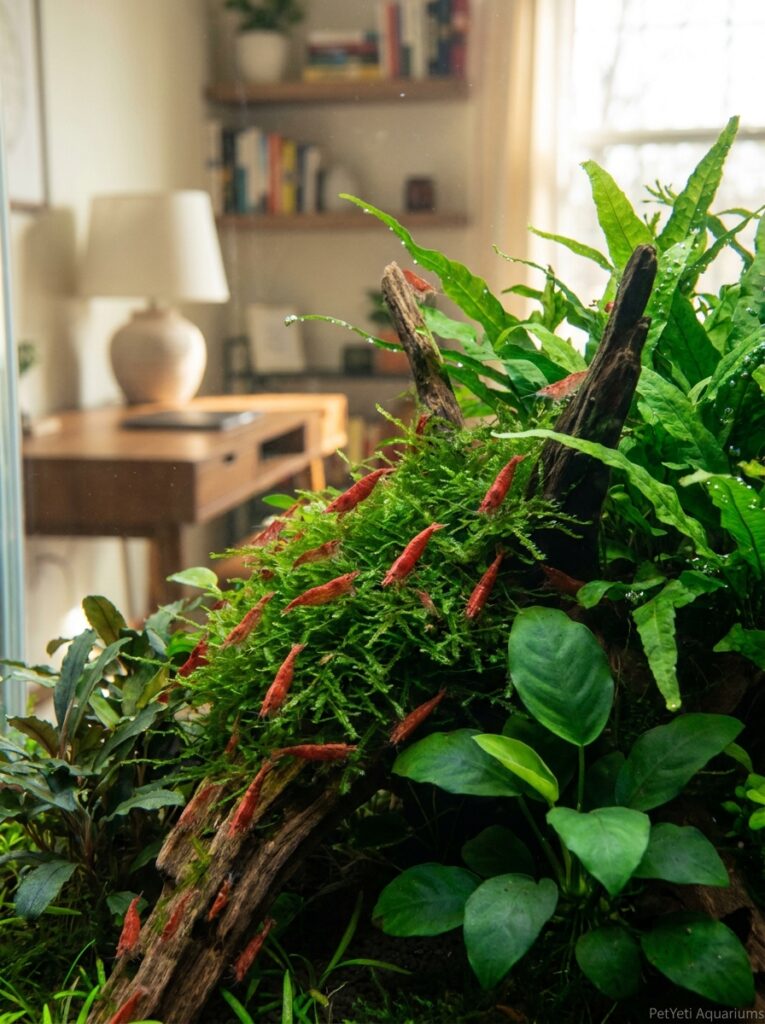
Few things are more frustrating than watching shrimp disappear one by one.
Everything may seem fine at first.
The aquarium looks clean.
The plants look healthy.
The shrimp appear active.
Then suddenly you notice a loss.
And then another.
If you’re asking why your shrimp are dying, you’re dealing with one of the most common challenges new shrimp keepers face.
The good news is that shrimp deaths usually happen for a reason.
Once you identify the cause, it’s often possible to prevent future losses and build a healthier, more stable colony.
Let’s go through the most common reasons shrimp struggle in home aquariums.
Sudden Water Changes Can Shock Shrimp
Shrimp handle stability much better than sudden change.
Even when a water change is meant to help, a large shift in conditions can sometimes create stress.
Shrimp are especially sensitive to rapid changes in:
- Temperature
- Water chemistry
- Mineral content
- General water conditions
Real-Life Example
A shrimp colony that appears healthy before a large water change may become unusually inactive afterward if conditions change too quickly.
Small, consistent maintenance routines are often safer than dramatic corrections.
New Aquariums Are Often Less Stable
Many beginners add shrimp too soon.
A brand-new aquarium may look ready, but stability takes time.
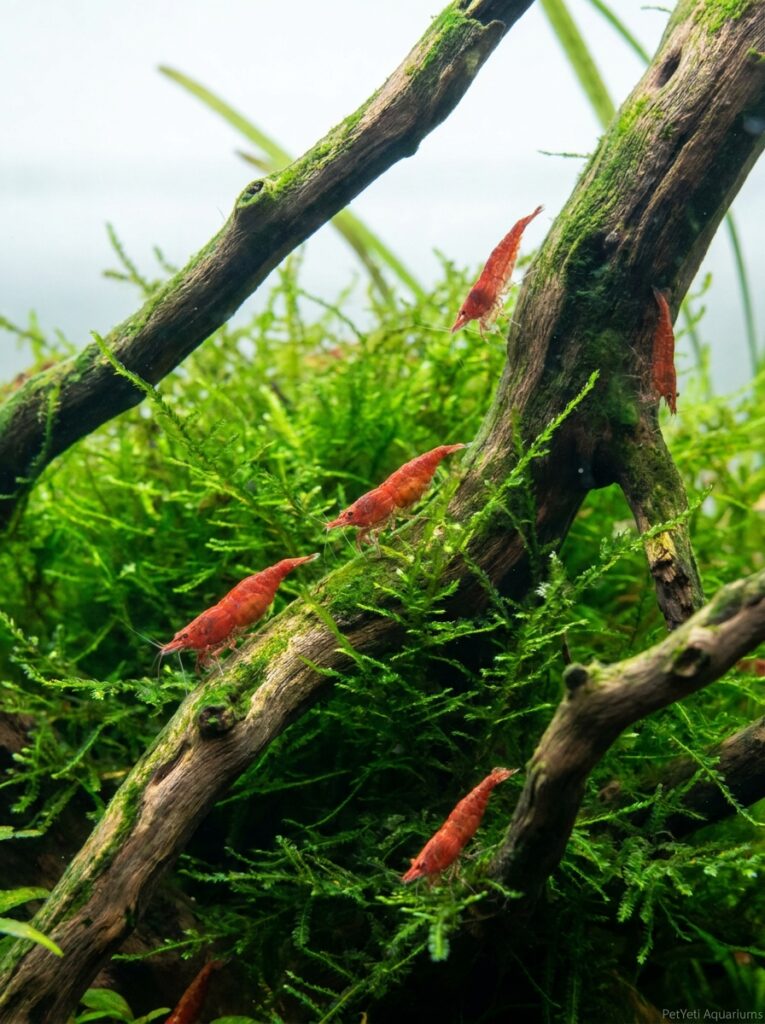
Shrimp generally thrive in mature aquariums where beneficial microorganisms and natural food sources have had time to develop.
Real-Life Example
A freshly set-up aquarium may successfully house fish but still feel unstable for sensitive shrimp species.
Mature tanks often provide a much stronger foundation for long-term shrimp success.
Molting Problems Can Lead to Losses
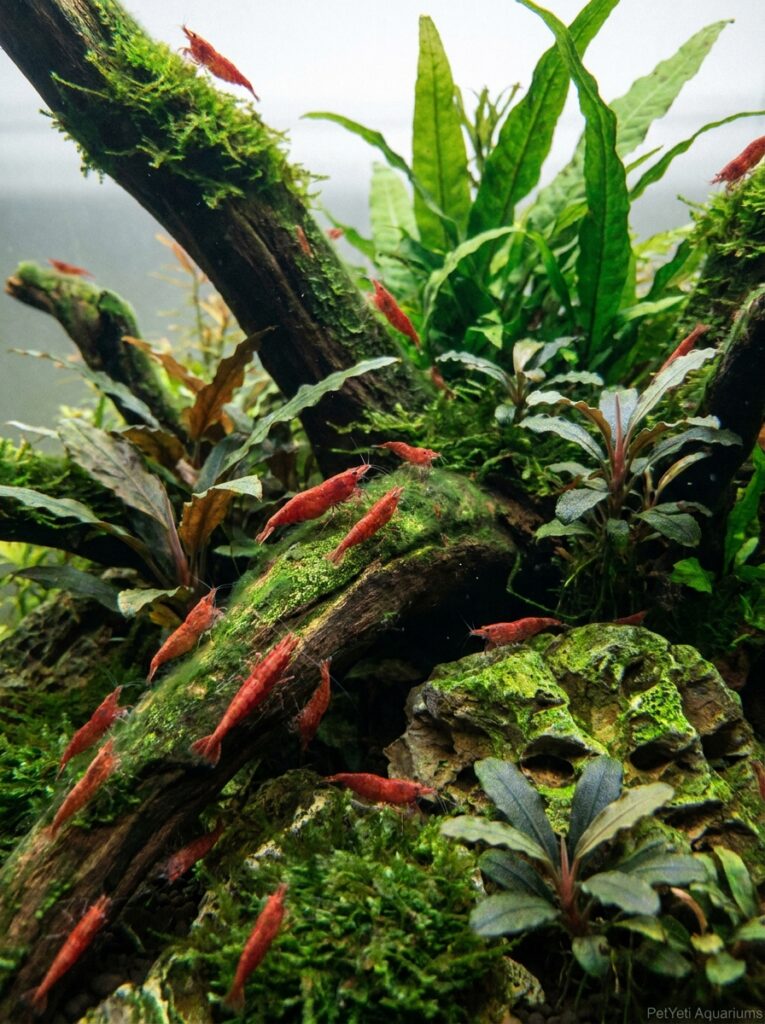
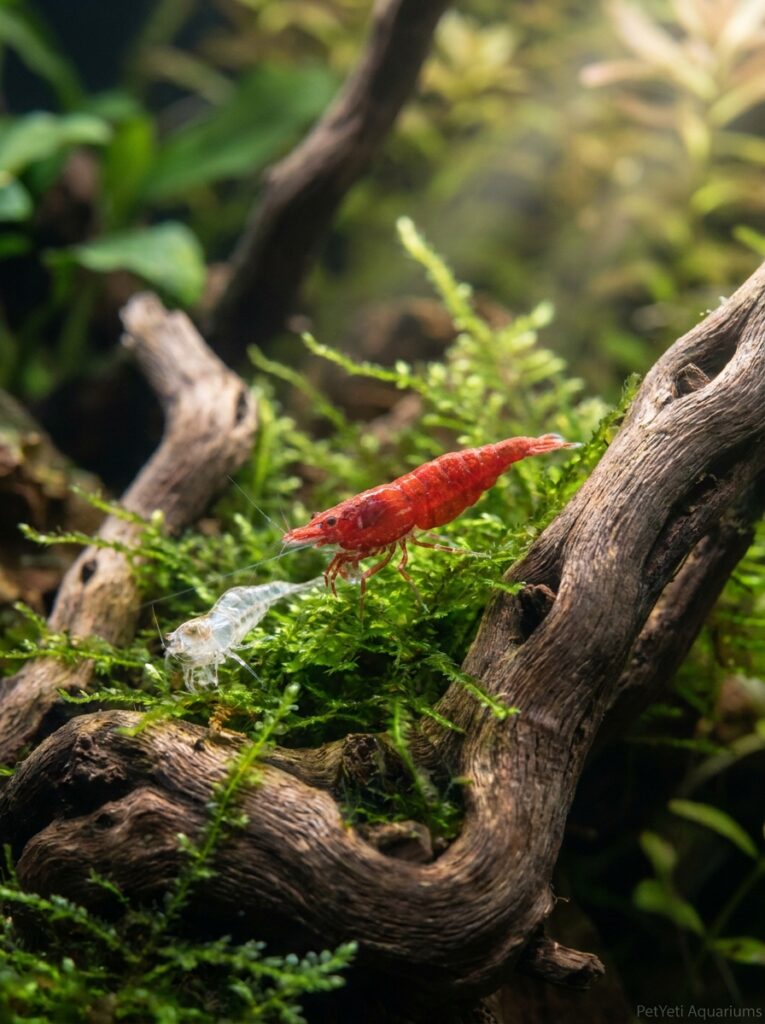
Shrimp regularly shed their exoskeletons as they grow.
This process is called molting.
A successful molt is an important part of a shrimp’s life cycle.
When molting becomes difficult, shrimp can become vulnerable.
Real-Life Example
A shrimp may appear healthy for weeks and then suddenly struggle during a molt if conditions aren’t ideal.
This is one reason why stable aquarium conditions are so important for shrimp colonies.
Lack of Food Is More Common Than Many People Think
Shrimp spend much of their day grazing.
In healthy aquariums, they often feed on:
- Biofilm
- Algae
- Microorganisms
- Organic matter
A very clean aquarium sometimes provides fewer natural food sources than people expect.
Real-Life Example
A heavily planted mature aquarium often supports shrimp more effectively than a sterile-looking aquarium with limited grazing opportunities.
Shrimp don’t just eat prepared foods.
They rely on the aquarium ecosystem itself.
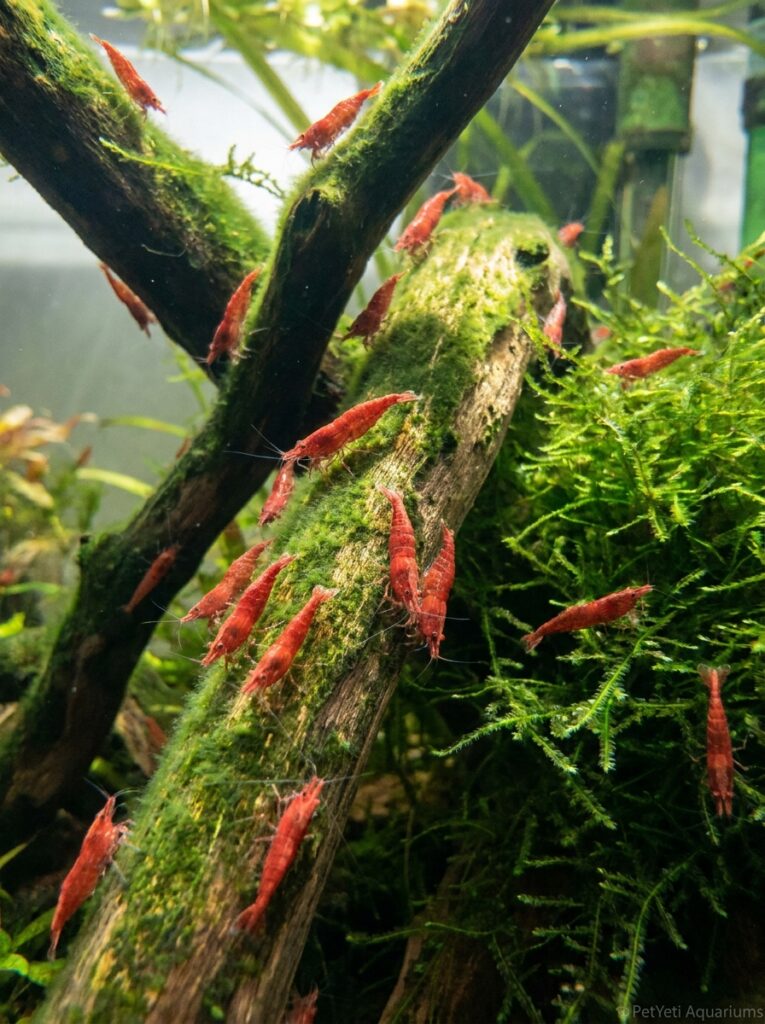
Copper and Household Contaminants Can Be Harmful
Shrimp are much more sensitive to contaminants than many aquarium fish.
Sometimes the issue isn’t obvious.
Products that seem harmless can occasionally affect shrimp health.
Examples include:
- Copper-containing medications
- Household cleaning sprays used near the aquarium
- Residue on hands
- Contaminants introduced accidentally during maintenance
Real-Life Example
A shrimp colony that has been thriving for months may suddenly struggle after a medication intended for fish is added without checking whether it is shrimp-safe.
This is why reading product labels carefully is always worthwhile.
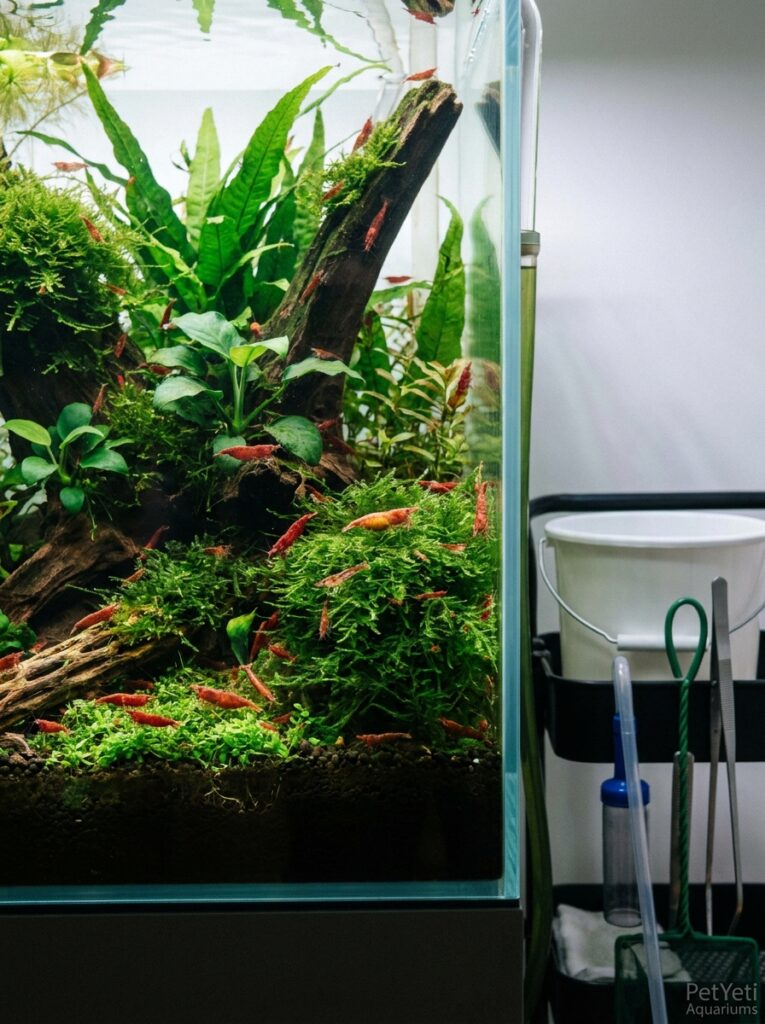
Stress From Tank Mates Can Add Up Over Time
Not every fish is a good shrimp companion.
Even if fish never directly harm shrimp, constant attention from curious tank mates can create stress.
Shrimp that feel unsafe may:
- Hide more often
- Feed less confidently
- Spend less time grazing
- Become less active
Real-Life Example
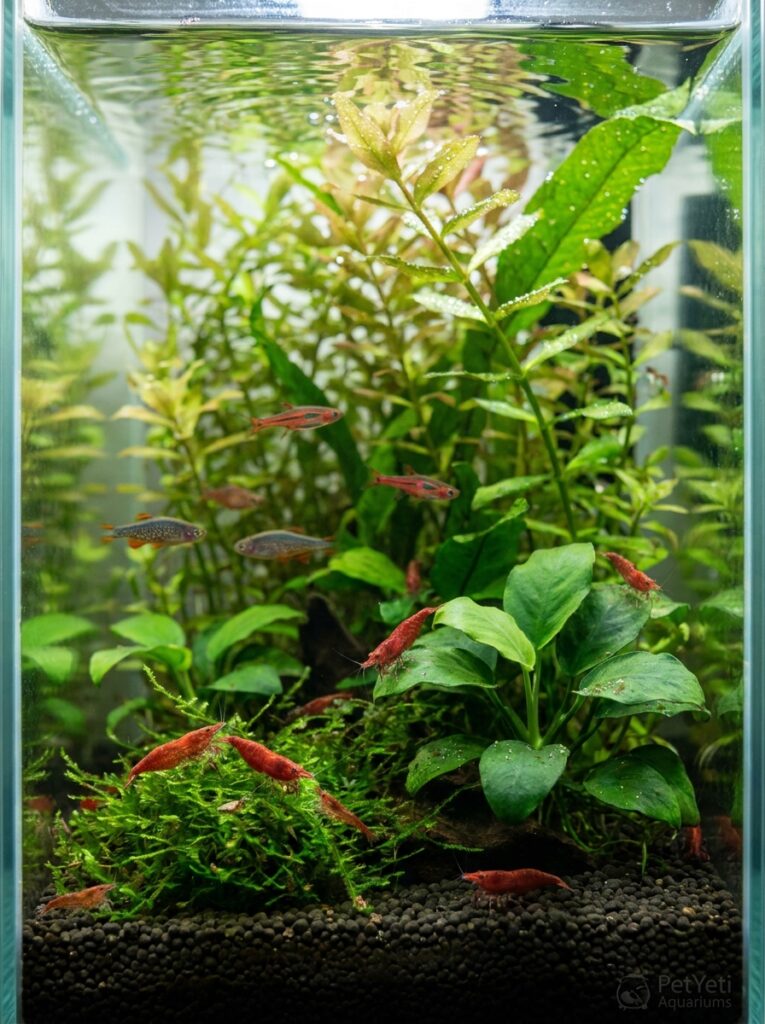
A shrimp colony housed with peaceful nano fish may still survive, but the same colony in a dedicated shrimp aquarium often appears more active and confident.
Feeling secure plays a major role in long-term shrimp health.
Poor Acclimation Can Cause Problems Later
Many shrimp losses occur shortly after introduction.
Shrimp often need time to adjust to their new environment.
Rapid transitions can create unnecessary stress.
Real-Life Example
A newly purchased group of shrimp may appear healthy on day one but begin struggling several days later if the transition into the aquarium was too sudden.
A slow, careful introduction gives shrimp a much better chance of settling successfully.
Patience at the beginning often prevents problems later.
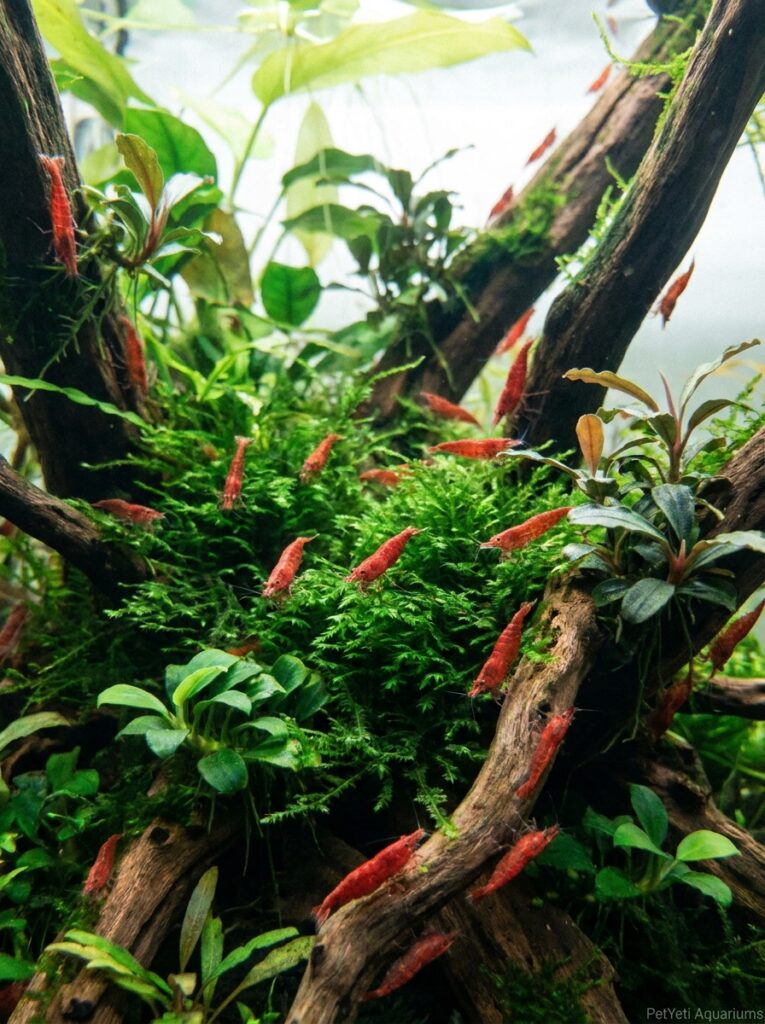
When Should You Be Concerned?
An occasional loss can happen in almost any aquarium.
What matters most is the pattern.
You should investigate further if:
- Multiple shrimp die within a short period
- Deaths continue week after week
- Shrimp stop feeding
- Shrimp become unusually inactive
- Molting problems become common
- The colony steadily declines
Real-Life Example
Losing a single older shrimp may not indicate a major problem. Losing several shrimp over a few days suggests something in the environment deserves closer attention.
The goal isn’t to find a perfect aquarium.
The goal is identifying and correcting the factor that is creating stress for the colony.
CONCLUSION
When shrimp start dying, it’s easy to assume the problem is complicated.
In reality, the cause is often connected to a few common factors.
Most successful shrimp colonies are built around:
- Stable conditions
- Mature aquariums
- Consistent maintenance
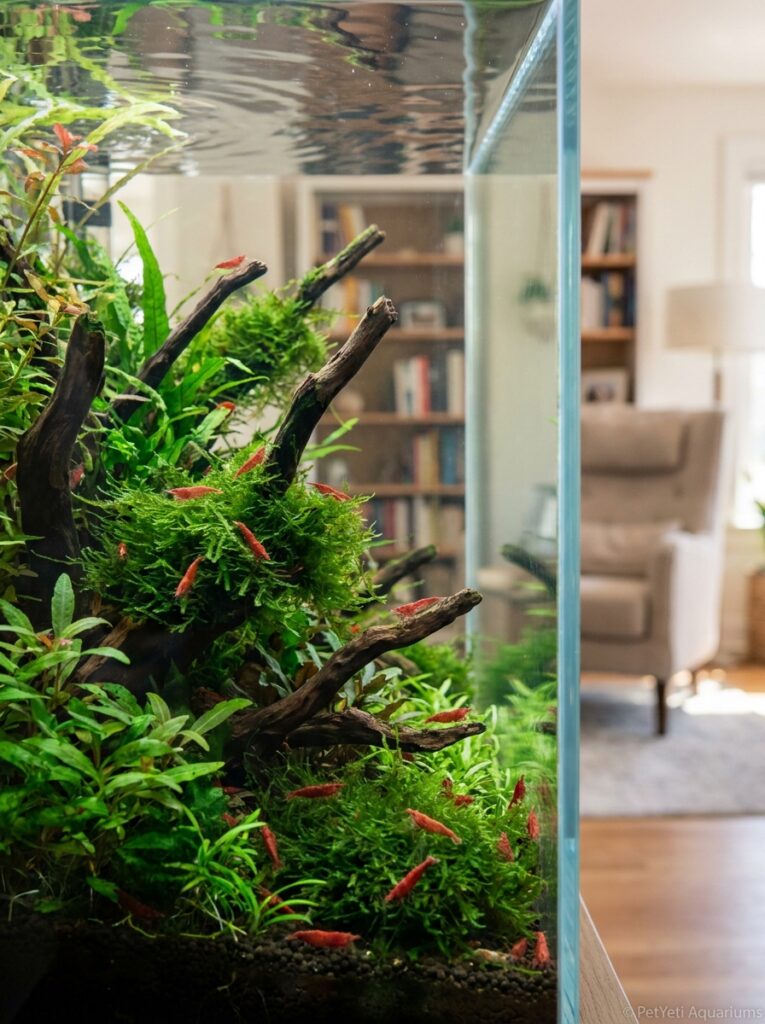
- Plenty of plant cover
- Low stress
Instead of making dramatic changes, focus on observing patterns and improving stability.
Small improvements often have a bigger impact than major interventions.
The healthiest shrimp tanks are usually the ones that feel balanced, predictable, and calm.
And that’s exactly the type of environment shrimp tend to thrive in.
FAQ
Why do shrimp suddenly start dying?
Sudden losses are often linked to environmental changes, stress, contaminants, or instability within the aquarium.
Can water changes kill shrimp?
Large or sudden water changes can sometimes create stress if conditions change too quickly.
Why do shrimp suddenly start dying?
Sudden losses are often linked to environmental changes, stress, contaminants, or instability within the aquarium.
Are shrimp more sensitive than fish?
Yes. Many shrimp species are generally more sensitive to environmental changes than common beginner fish.
Can copper harm aquarium shrimp?
Yes. Copper can be harmful to shrimp and should always be checked before using medications or treatments.
Why are new shrimp dying after I add them?
Stress from transportation and poor acclimation are common causes of early losses.
Do fish stress shrimp?
Some fish can make shrimp feel less secure, even if they never directly attack them.
How can I help shrimp feel safer?
Dense plants, moss, stable conditions, and peaceful tank mates can all help shrimp feel more comfortable.
When should I worry about shrimp deaths?
You should investigate if multiple shrimp die over a short period or if the colony continues to decline.