
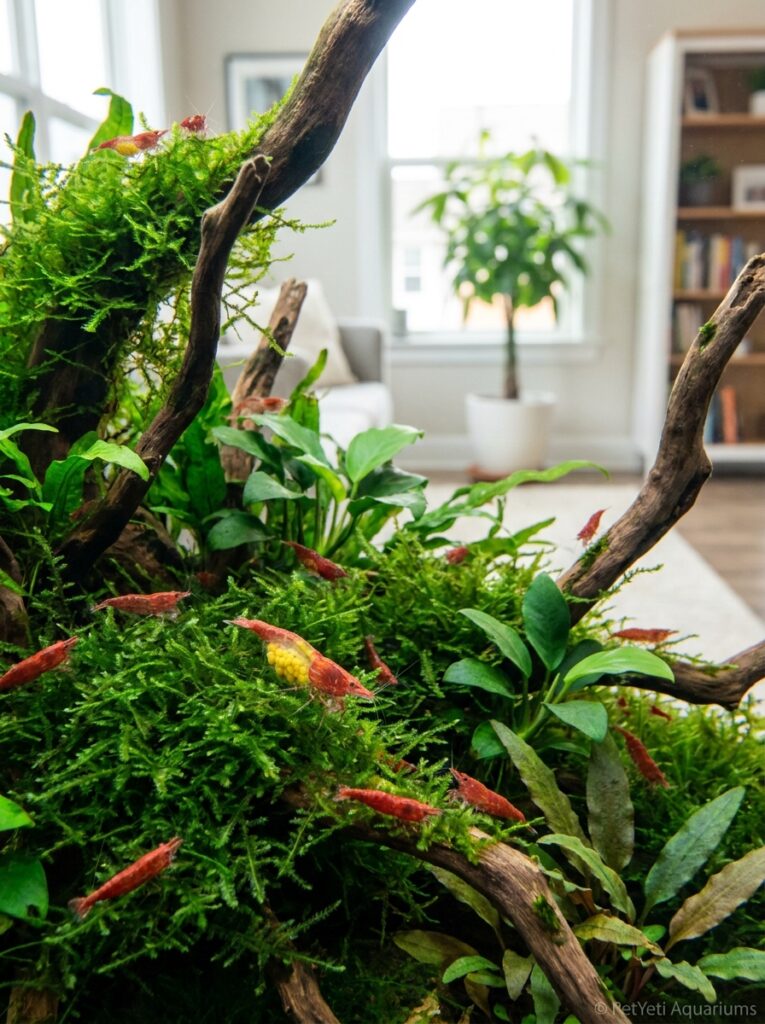
If you’re wondering why are my shrimp not breeding, the most common reasons are a young colony, too few shrimp, stress, tank mates, limited food sources, or unstable water conditions.
Many aquarium hobbyists start with shrimp because they’re fascinating, peaceful, and surprisingly entertaining to watch.
Then a few months pass.
The shrimp look healthy.
They’re eating.
They’re active.
But there’s one thing missing.
No babies.
If you’ve found yourself staring at your aquarium wondering why your shrimp aren’t breeding, you’re not alone.
The good news is that shrimp usually don’t need complicated breeding setups.
In many cases, a few small adjustments are enough to help a colony become established and start reproducing naturally.
Let’s look at the most common reasons shrimp may not be breeding yet.
Your Shrimp May Still Be Settling In
One of the biggest mistakes beginners make is expecting immediate breeding.
Shrimp often need time to adjust to a new environment.
Even healthy shrimp may spend several weeks focusing on:
- Exploring
- Feeding
- Molting
- Adapting to water conditions
before reproduction becomes a priority.
Real-Life Example
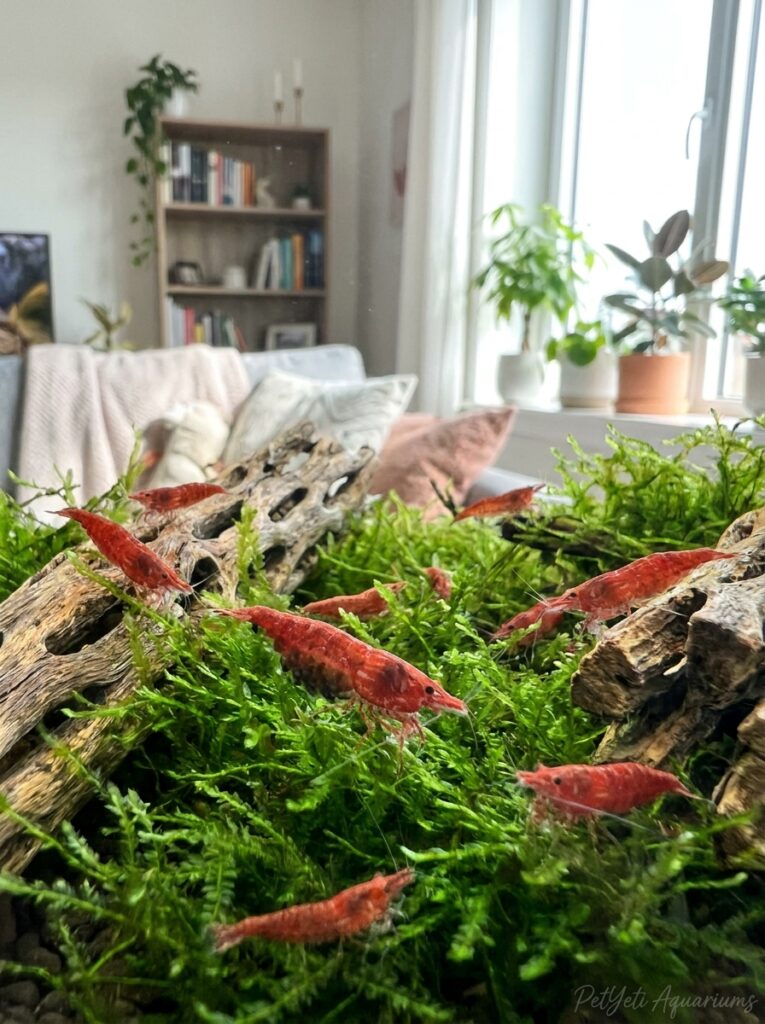
A newly introduced group of Cherry Shrimp may remain active and healthy for several weeks before the first berried female appears.
Patience is often part of successful shrimp keeping.
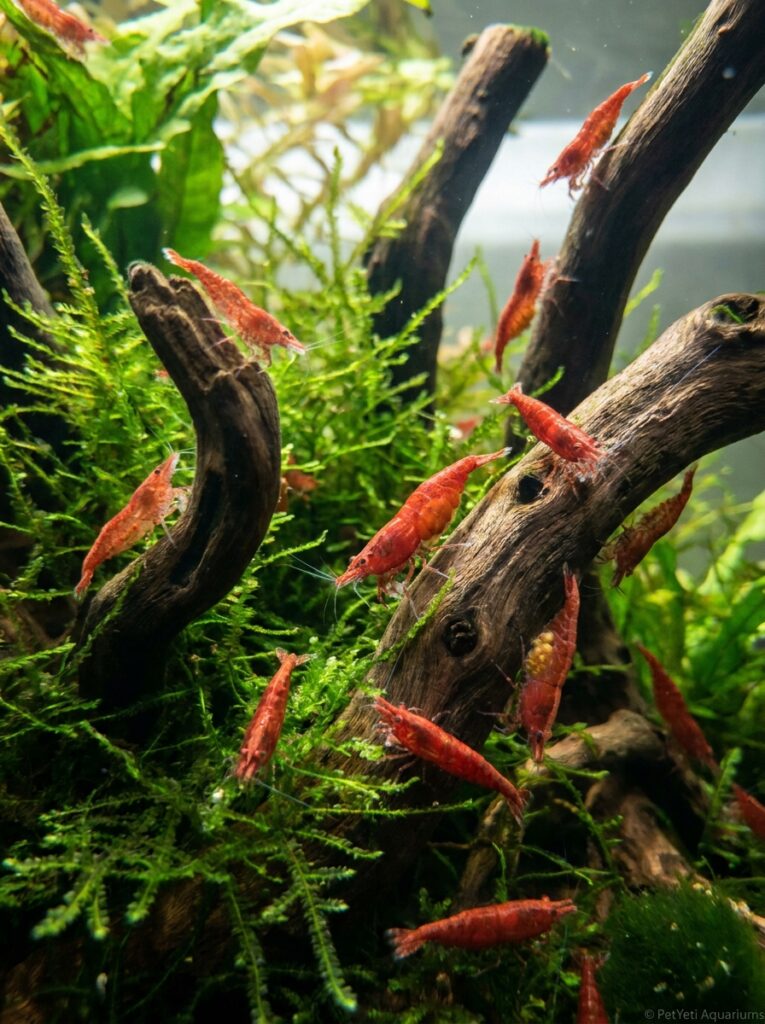
There May Not Be Enough Shrimp
This sounds obvious, but it catches many beginners by surprise.
Successful breeding requires both males and females.
When starting with a very small group, it’s possible to end up with mostly one gender.
Real-Life Example
Someone who purchases three shrimp may unknowingly end up with three males. The shrimp remain healthy, but breeding never occurs.
Starting with a larger group often improves the odds of establishing a breeding colony.
Shrimp Need Plenty of Food Sources
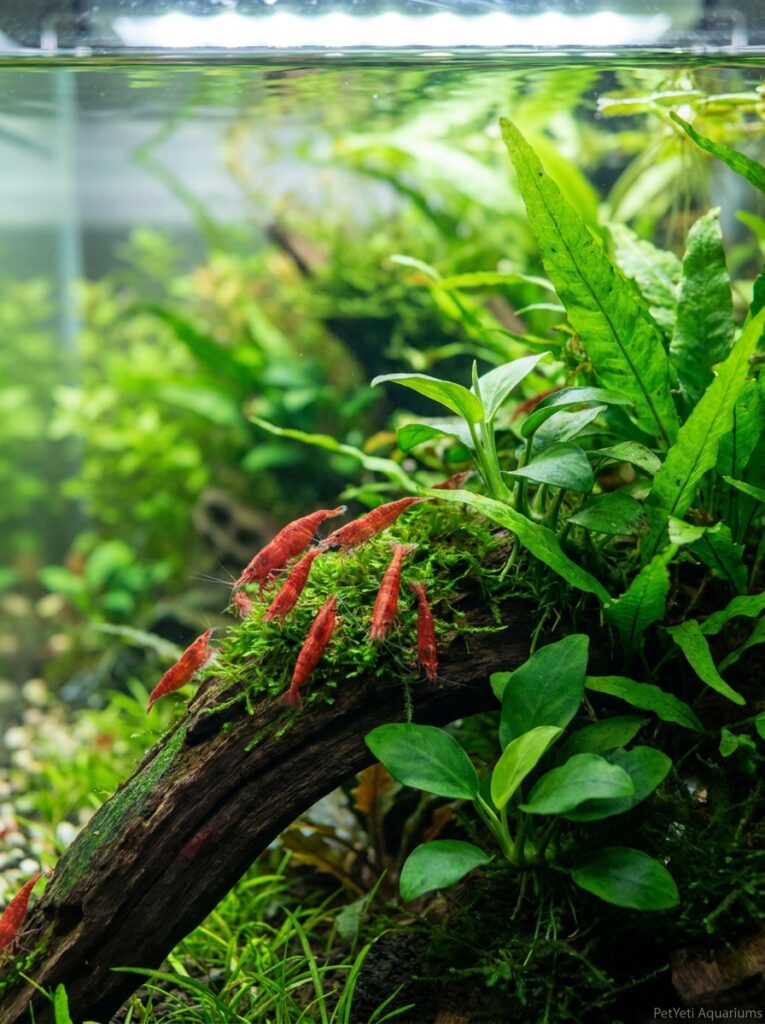
Shrimp spend much of their day grazing.
A healthy aquarium often provides:
- Biofilm
- Algae
- Microorganisms
- Decaying plant matter
These natural food sources help support a growing colony.
Real-Life Example
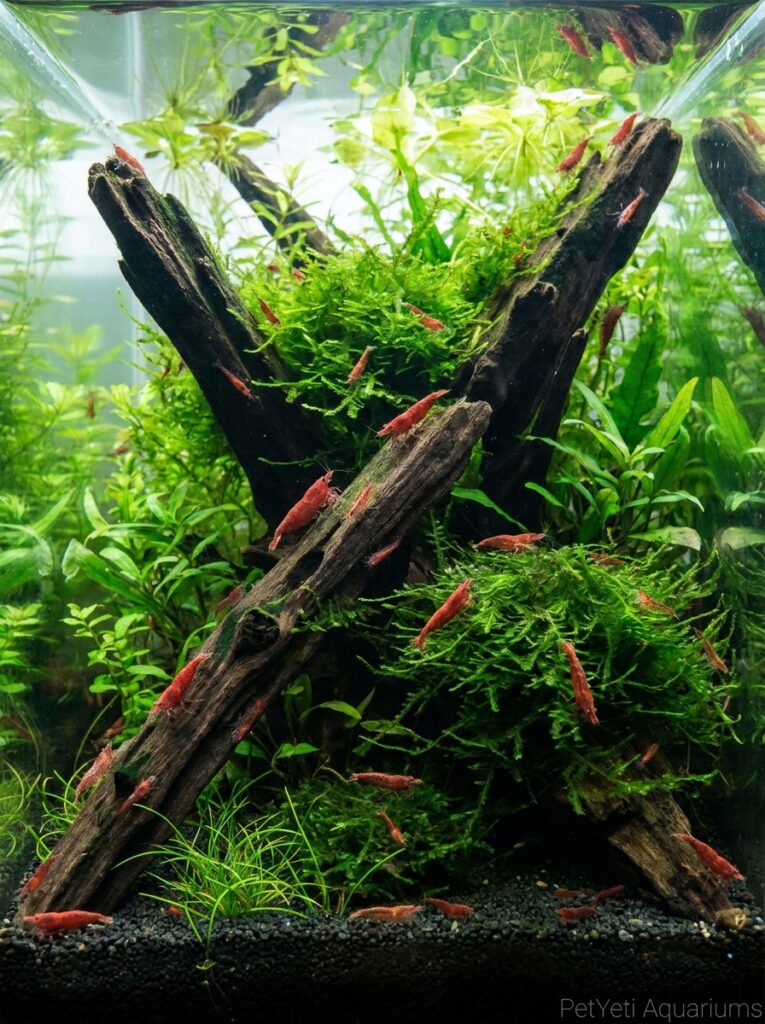
A mature planted aquarium with driftwood, moss, and stable growth often supports shrimp breeding more successfully than a brand-new setup with limited grazing opportunities.
A well-established aquarium is often a shrimp-friendly aquarium.
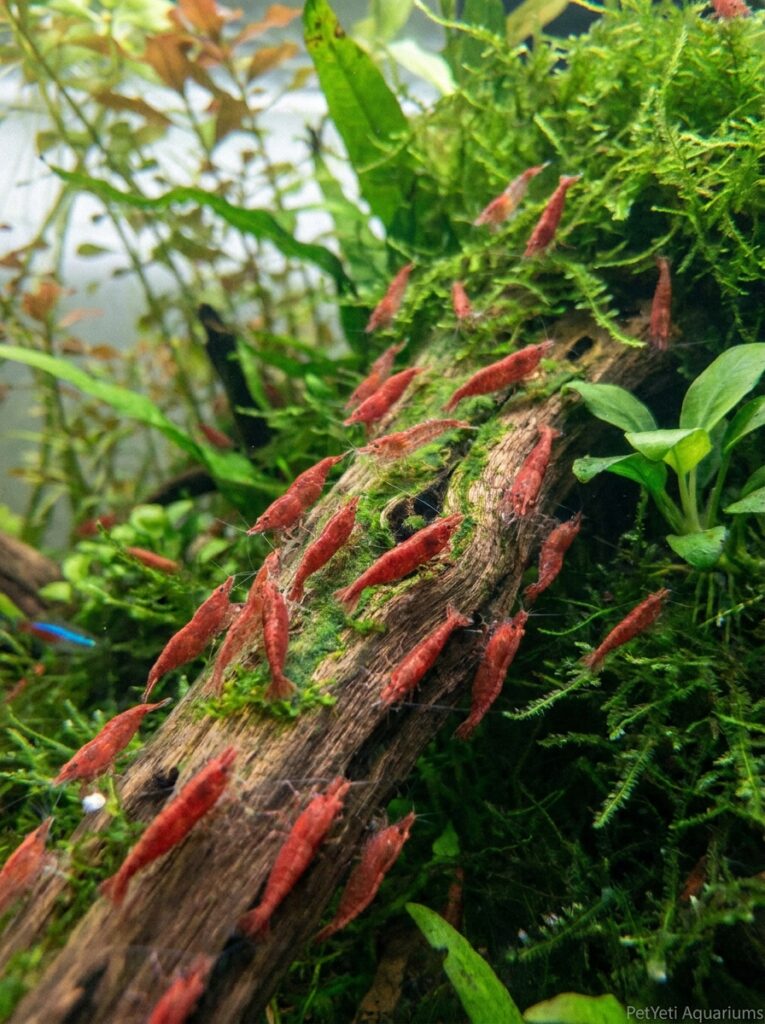
Dense Plants Help Shrimp Feel Secure
Shrimp are more likely to thrive when they feel safe.
Plants provide:
- Shelter
- Grazing surfaces
- Protection for baby shrimp
- Areas for molting
The more secure a colony feels, the more likely it is to reproduce successfully.
Real-Life Example
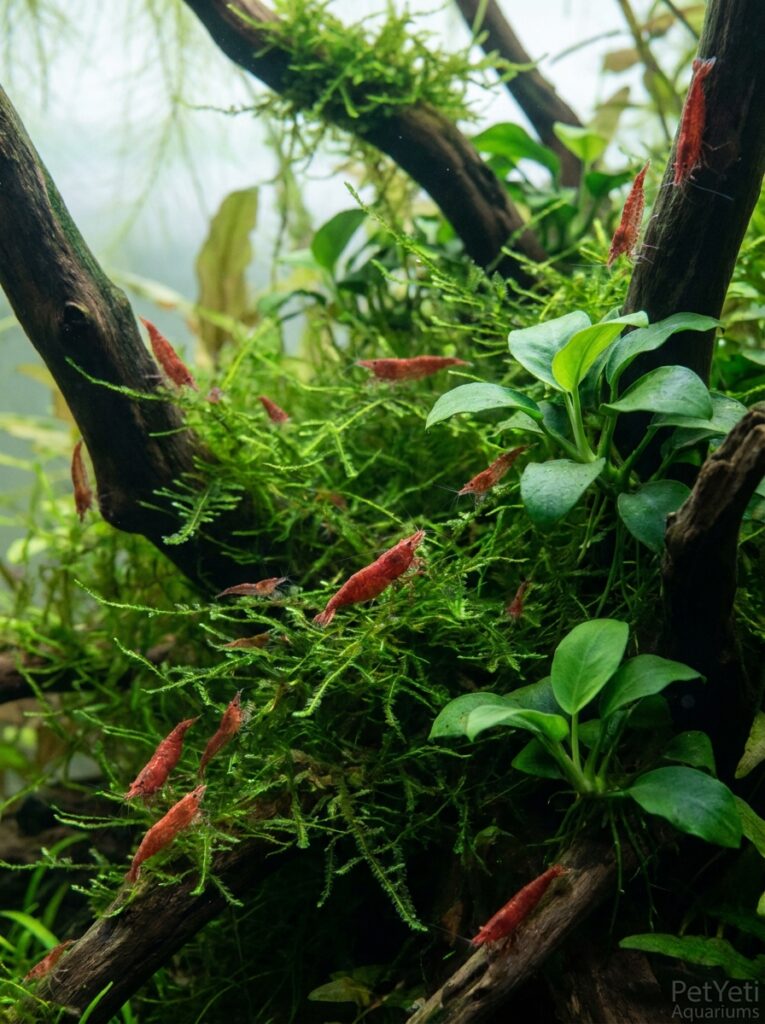
Many shrimp keepers notice increased breeding activity after adding large patches of Java Moss or other dense plant growth.
Plants do far more than make a shrimp tank look beautiful.
Water Stability Matters More Than Perfection
One of the biggest misconceptions in shrimp keeping is that water conditions need to be absolutely perfect.
In reality, shrimp often handle stable conditions better than constantly changing conditions.
Many breeding issues happen when aquarists make frequent adjustments trying to “fix” something that isn’t broken.
Shrimp generally appreciate:
- Consistency
- Predictable conditions
- Gradual changes
- Stable routines
Real-Life Example
A shrimp keeper who constantly tweaks the aquarium every week may see slower colony growth than someone who maintains a stable, well-established setup with minimal disruption.
For shrimp, stability often beats perfection.
Tank Mates Can Reduce Breeding Activity
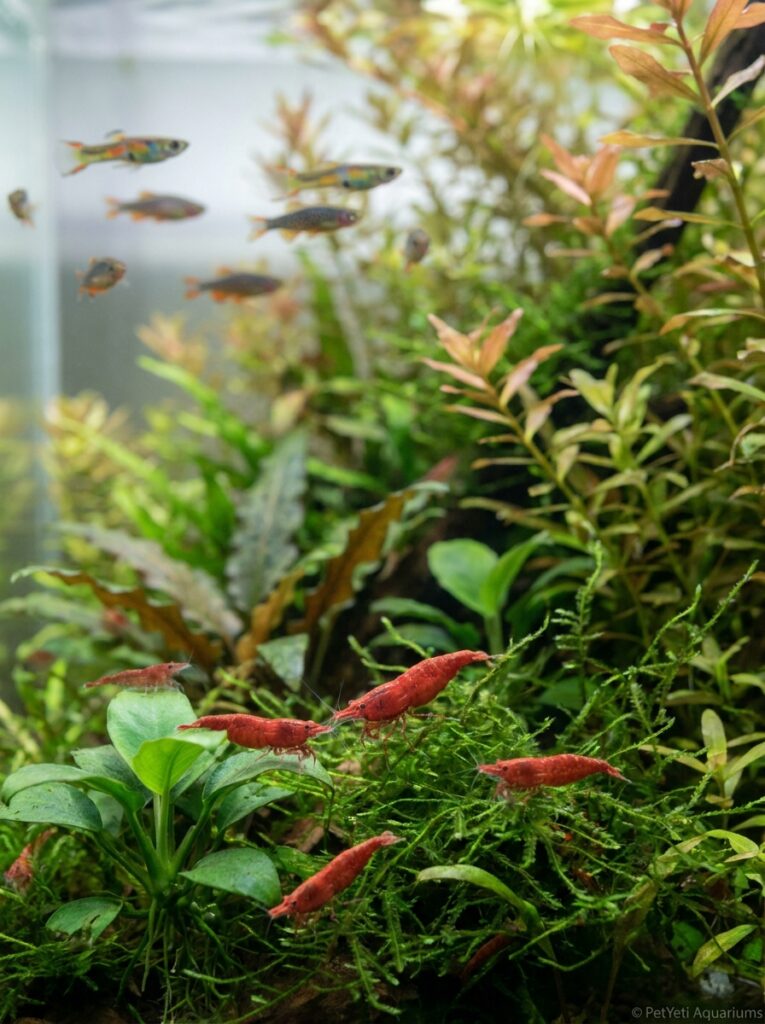
Even peaceful fish can influence shrimp behavior.
Shrimp constantly evaluate their surroundings for potential threats.
If fish are present, shrimp may:
- Spend more time hiding
- Become less active
- Feel less secure
- Produce fewer surviving babies
This doesn’t mean shrimp and fish can’t coexist.
Many hobbyists successfully keep them together.
But dedicated shrimp tanks often produce breeding results faster.
Real-Life Example
A colony housed in a shrimp-only aquarium may grow much more quickly than an identical colony sharing space with curious nano fish.
Feeling safe matters.
Young Colonies Often Need More Time
Sometimes the answer is surprisingly simple.
The colony just isn’t ready yet.
A new shrimp colony usually needs time to:
- Establish itself
- Mature
- Grow in confidence
- Complete several molting cycles
Breeding often begins naturally once the colony becomes comfortable and settled.
Real-Life Example
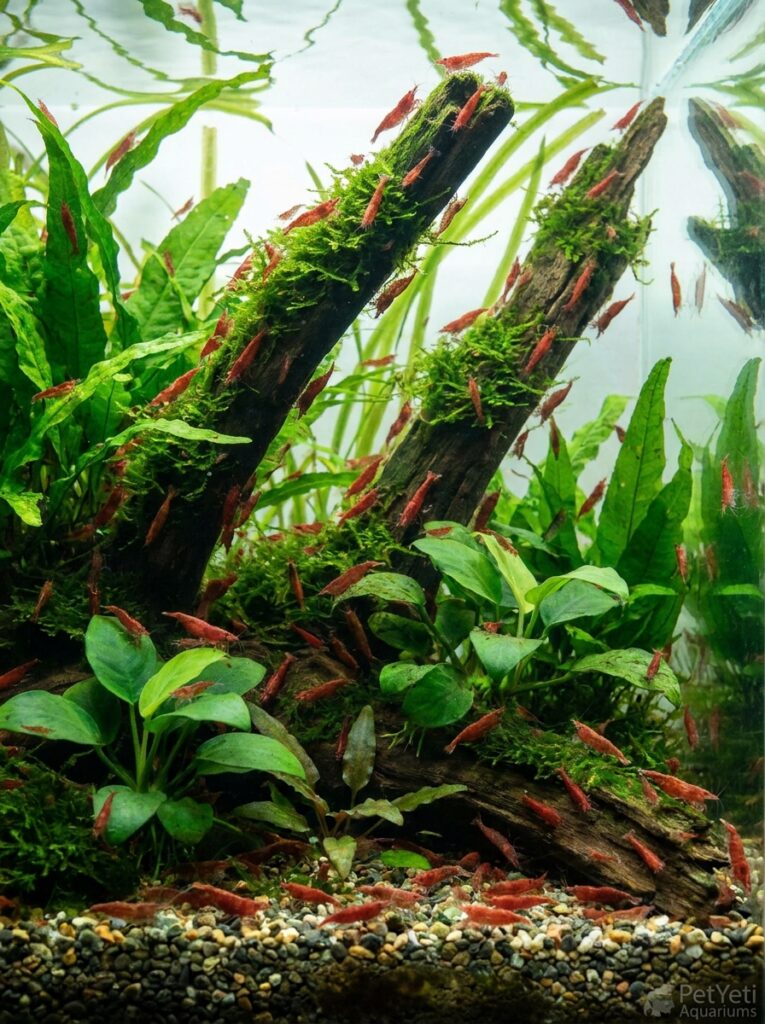
A shrimp keeper may spend months wondering why breeding hasn’t started, only to suddenly notice multiple berried females within a short period once the colony reaches maturity.
Successful shrimp colonies often develop gradually rather than overnight.
When Should You Be Concerned?
In many cases, shrimp not breeding isn’t actually a problem.
Healthy shrimp colonies often take time to develop.
However, you may want to investigate further if:
- Shrimp are frequently dying
- Molting problems occur regularly
- The colony remains very small for many months
- Shrimp appear inactive or unhealthy
- No berried females are ever observed
The goal isn’t to force breeding.
The goal is creating an environment where breeding can happen naturally.
Healthy shrimp tend to take care of the rest.
Real-Life Example
A colony that remains active, feeds well, molts successfully, and grows gradually is usually on the right track, even if baby shrimp haven’t appeared yet.
Patience is often one of the most valuable shrimp-keeping skills.
CONCLUSION
If your shrimp aren’t breeding yet, don’t assume something is wrong.
In many aquariums, the colony simply needs more time.
Successful shrimp breeding is often the result of:
- Stable conditions
- Plenty of food sources
- Dense plant cover
- Low stress
- Patience
Most thriving shrimp colonies don’t happen because their owners constantly intervene.
They happen because the environment allows shrimp to feel comfortable and secure.
Focus on creating a healthy aquarium rather than chasing breeding results.
More often than not, the babies arrive when you stop worrying about them.
FAQs
How long does it take for Cherry Shrimp to start breeding?
Many colonies begin breeding within a few weeks to a few months after settling into a stable aquarium.
Why are my shrimp healthy but not breeding?
Common reasons include a young colony, insufficient numbers, stress, or simply not enough time.
Do shrimp breed better in planted aquariums?
Yes. Dense plants provide security, food sources, and shelter for baby shrimp.
Can fish prevent shrimp from breeding?
Fish can make shrimp more cautious and may reduce the survival rate of baby shrimp.
What plants are best for breeding shrimp?
Java Moss, Anubias, and other dense plants are popular choices because they provide cover and grazing surfaces.
How do I know if a shrimp is carrying eggs?
A berried female typically carries a cluster of eggs underneath her abdomen.
Do shrimp need a special breeding tank?
Not always. Many shrimp colonies breed successfully in a well-maintained community aquarium, though dedicated shrimp tanks often produce better results.
When should I worry if my shrimp are not breeding?
Consider investigating if shrimp are unhealthy, experiencing frequent deaths, or showing no signs of colony growth after many months.