
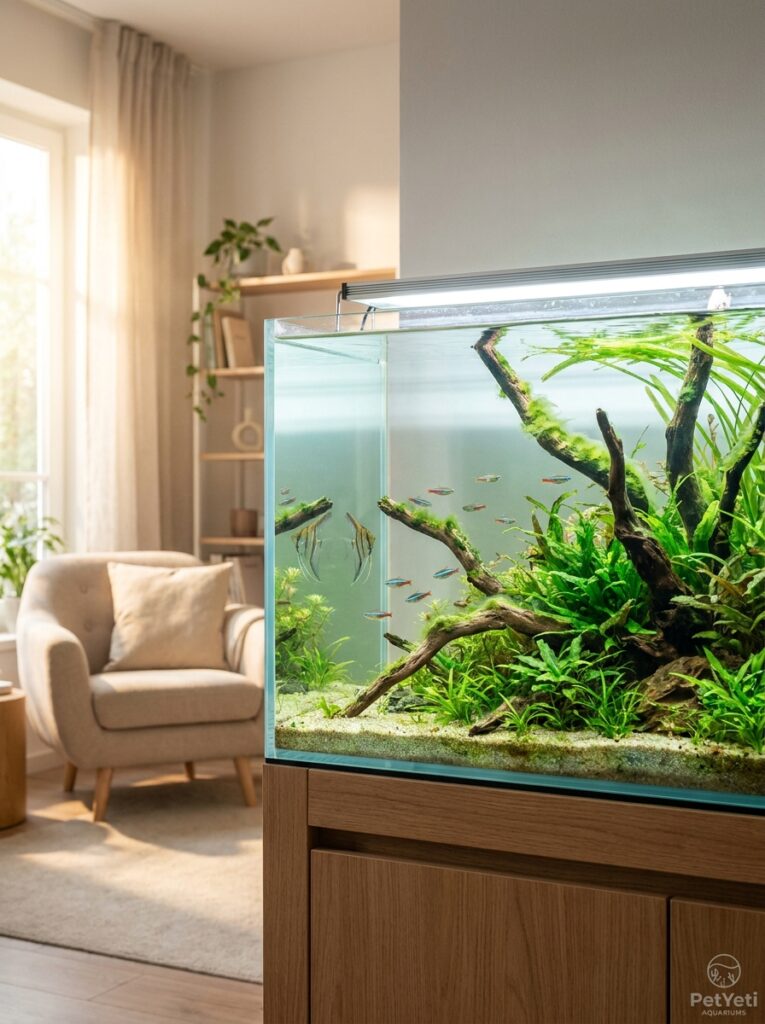
Algae growing fast in aquarium setups is usually caused by too much light, excess nutrients, overfeeding, direct sunlight, or inconsistent maintenance.
If it feels like algae is growing faster than you can remove it, you’re definitely not alone.
Many aquarium owners go through a stage where algae seems to appear everywhere at once. One day the tank looks clean, and the next you’re noticing green spots on the glass, decorations, or even plant leaves.
The frustrating part is that algae often keeps returning even after you’ve cleaned it.
What many beginners don’t realize is that algae is usually responding to an imbalance somewhere in the aquarium. The algae itself isn’t always the problem—it’s often a clue.
Once you identify what’s fueling the growth, controlling algae becomes much easier.
Quick Answer
What causes algae growing fast in aquarium setups? Fast algae growth is usually caused by too much light, excess nutrients, overfeeding, decaying plant matter, inconsistent maintenance, new tank instability, or overcrowding. Algae is not always dangerous, but rapid growth usually means the aquarium balance needs attention.
What To Check First
Before trying to remove algae again, check how many hours the aquarium light runs each day, whether the tank gets direct sunlight, whether you may be overfeeding, and whether recent maintenance has become inconsistent. Fast algae growth usually means something is feeding the algae, so finding the cause is more helpful than only cleaning the glass.
Let’s look at the most common reasons algae grows so quickly and what you can do about it.
Your Aquarium May Be Getting Too Much Light
Light is one of the biggest drivers of algae growth.
This doesn’t mean aquarium lights are bad. Plants need light, and a well-lit aquarium can look beautiful.
The problem starts when the tank receives more light than the ecosystem can use.
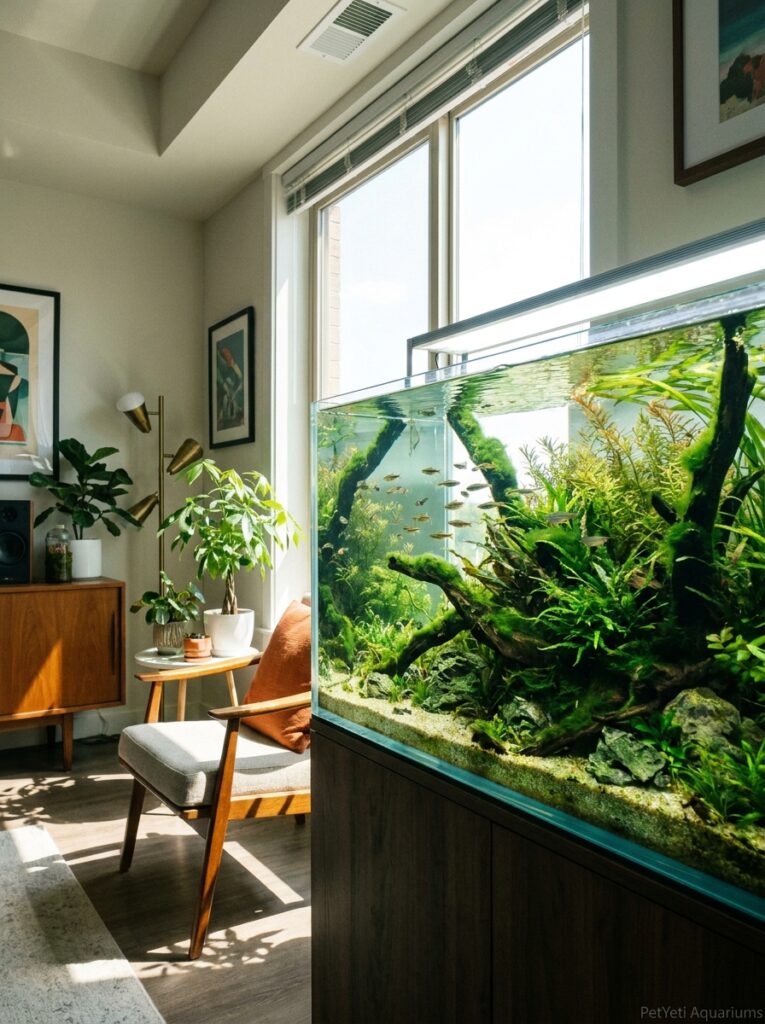
A common example is an aquarium placed near a sunny window. Even a few hours of direct sunlight each day can encourage algae to grow much faster than expected.
PetYeti Calm Tip
Algae control is usually easier when you make one calm change at a time. Start by shortening the lighting schedule, then wait several days before changing anything else. This helps you understand what actually worked instead of turning the aquarium into a constant experiment.
Many beginner aquariums benefit from keeping lighting consistent and limiting it to around six to eight hours per day.
Excess Nutrients Can Feed Algae
Algae needs food.
In aquariums, that food often comes from excess nutrients in the water.
Overfeeding, accumulated waste, and decaying plant material can all contribute to nutrient buildup.
When nutrients become abundant, algae is often the first thing to take advantage of the situation.
This doesn’t mean you’re doing anything wrong. It simply means the aquarium is receiving more nutrients than plants and beneficial bacteria can currently process.
Small adjustments to feeding and maintenance can often make a noticeable difference.
Plants and Algae Are Competing for the Same Resources
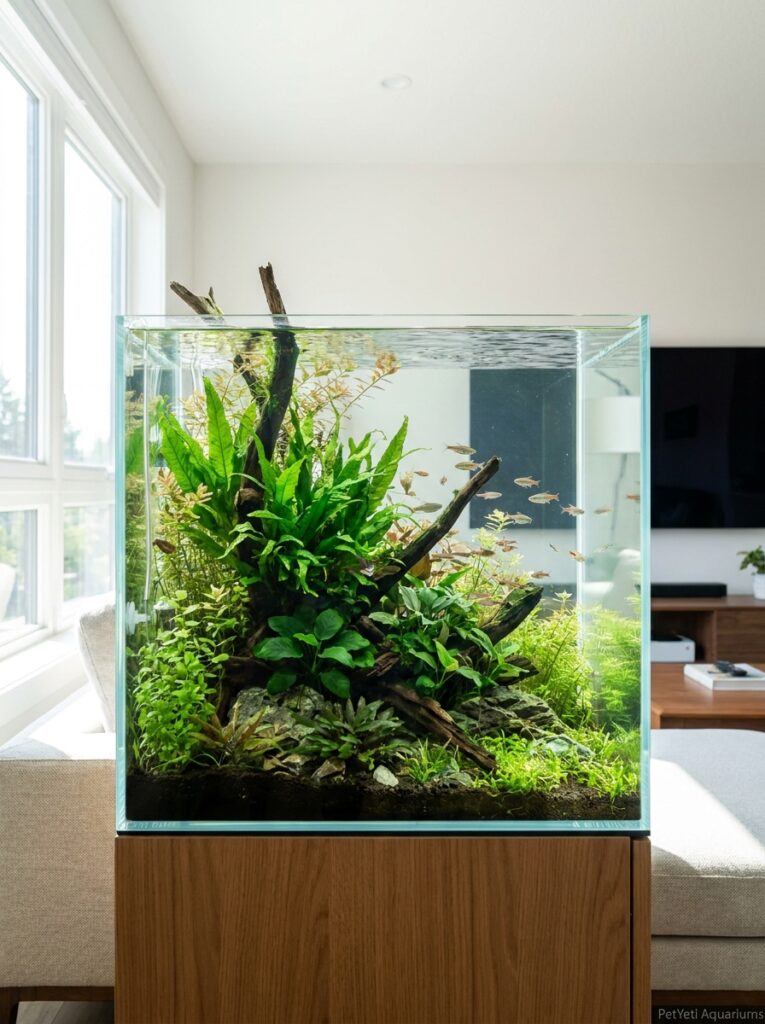
Healthy plant growth is one of the best natural defenses against algae.
Think of plants and algae as competitors.
Both want access to:
- Light
- Nutrients
- Space
When aquarium plants are thriving, they often consume resources that algae would otherwise use.
This is one reason heavily planted aquariums often experience fewer algae issues than sparsely planted tanks.
If your plants are struggling while algae is flourishing, improving plant health may be part of the solution.
Maintenance Has Become Inconsistent
Algae often appears when small maintenance tasks start slipping.
Maybe life got busy and a water change was skipped. Perhaps the glass hasn’t been cleaned for a couple of weeks. Sometimes it’s simply a matter of debris gradually building up without anyone noticing.
The important thing to understand is that algae usually responds to trends rather than single events.
A missed water change won’t cause an algae explosion overnight.
But several weeks of inconsistent maintenance can slowly create the conditions algae loves.
This is one reason successful aquariums aren’t necessarily maintained perfectly—they’re maintained consistently.
Helpful Tools
When algae grows quickly, simple tools can help you control the cause instead of only cleaning the surface. A basic aquarium test kit can show whether nitrate or other water quality issues are feeding algae, while a gentle algae scraper or gravel vacuum can remove buildup without disturbing the whole tank. A consistent light schedule also helps keep algae from taking over again.
For more help, see our guides on how to test aquarium water correctly, best aquarium gravel vacuums for beginners, and best aquarium lighting ideas for beginners.
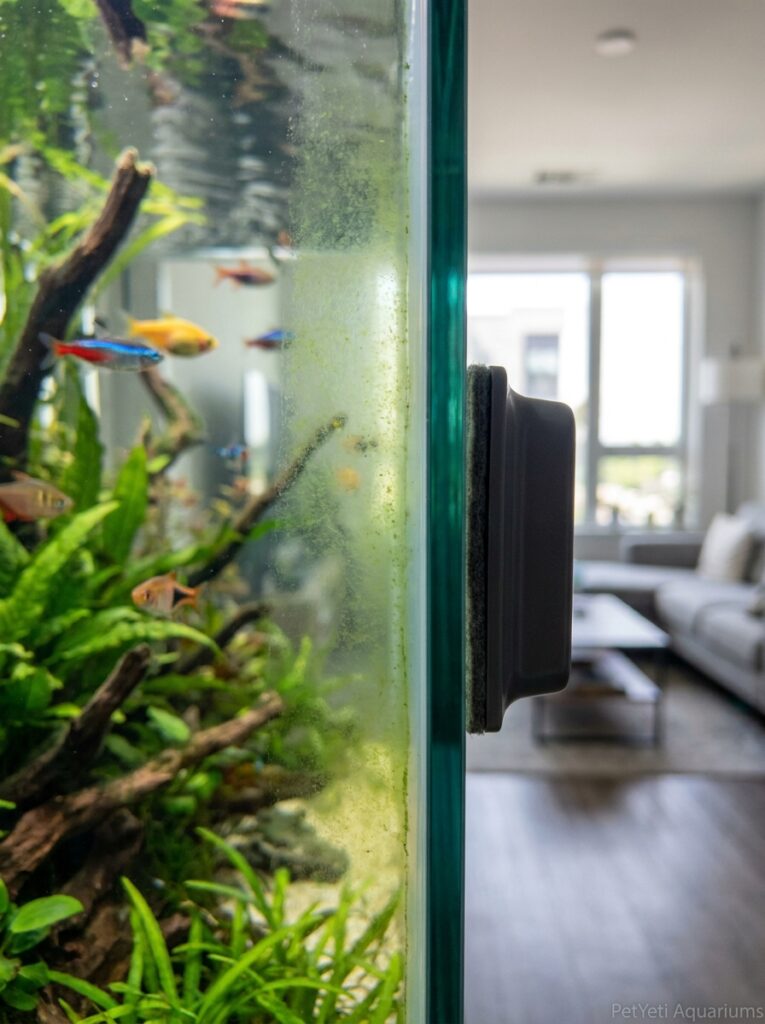
New Aquariums Often Experience Algae Blooms
If your aquarium is relatively new, algae may simply be part of the normal startup process.
New tanks go through several stages while beneficial bacteria, plants, and microorganisms establish balance.
During this period, algae often takes advantage of available nutrients before the aquarium matures.
This can be frustrating because you’re trying to do everything correctly.
The good news is that many early algae blooms improve naturally as the tank stabilizes.
Patience is often part of the solution.
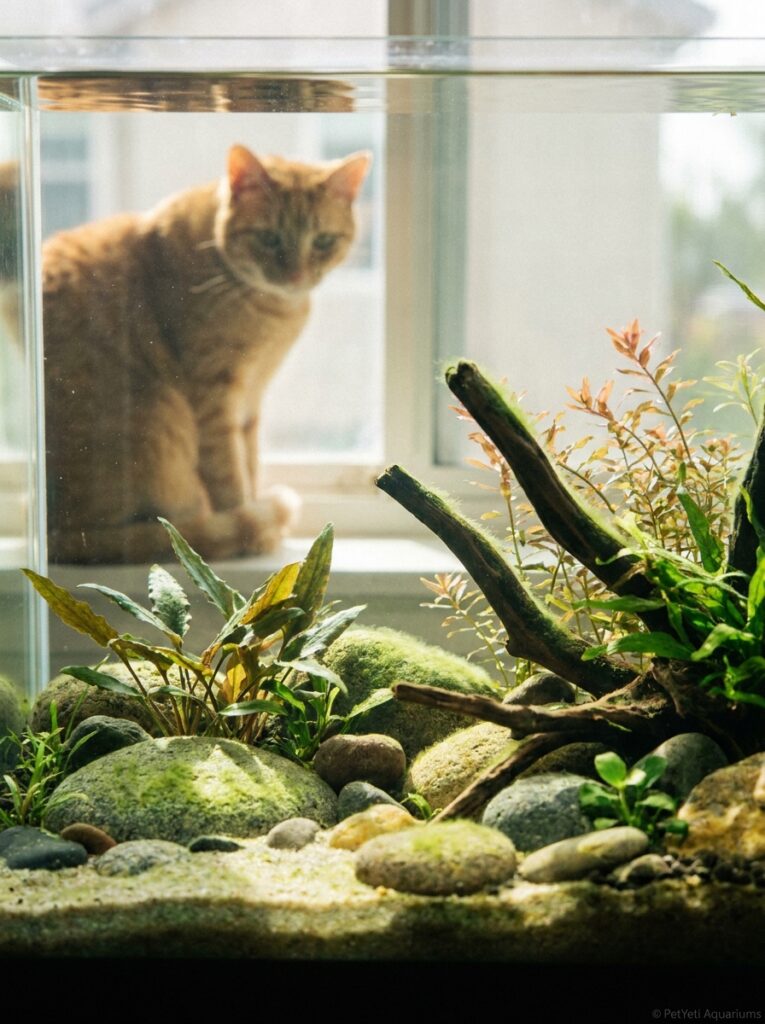
Overstocking Can Increase Algae Growth
More fish means more waste.
More waste means more nutrients entering the aquarium.
When nutrient levels rise faster than plants and beneficial bacteria can use them, algae often steps in to fill the gap.
This doesn’t mean heavily stocked aquariums are impossible to maintain.
It simply means they require more attention to feeding, filtration, and maintenance.
A balanced aquarium is usually easier to keep clean than one operating at its limits.
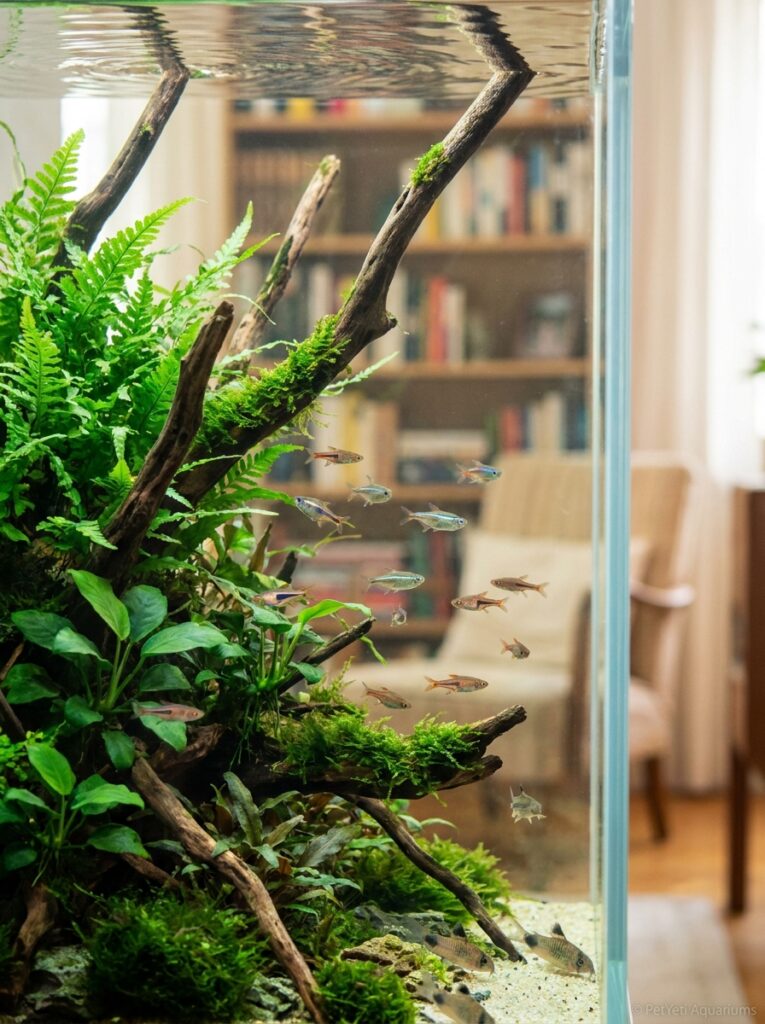
Cleaning Algae Without Fixing the Cause
This is where many beginners get stuck.
They remove the algae.
The aquarium looks great.
Then a week later, the algae comes back.
The reason is simple.
Removing algae treats the symptom, not the cause.
Beginner Mistake to Avoid
A common beginner mistake is cleaning algae repeatedly without changing the conditions that are feeding it. Scrubbing the glass may make the aquarium look better for a few days, but algae often returns if the lighting schedule is too long, nutrients are building up, or maintenance has become inconsistent. Fix the cause first, then algae becomes much easier to control.
If excess light, nutrient buildup, poor plant growth, or inconsistent maintenance remain unchanged, algae often returns.
Think of algae as feedback from the aquarium.
It’s showing you that something in the system is out of balance.
Once the underlying cause is corrected, algae usually becomes much easier to manage.
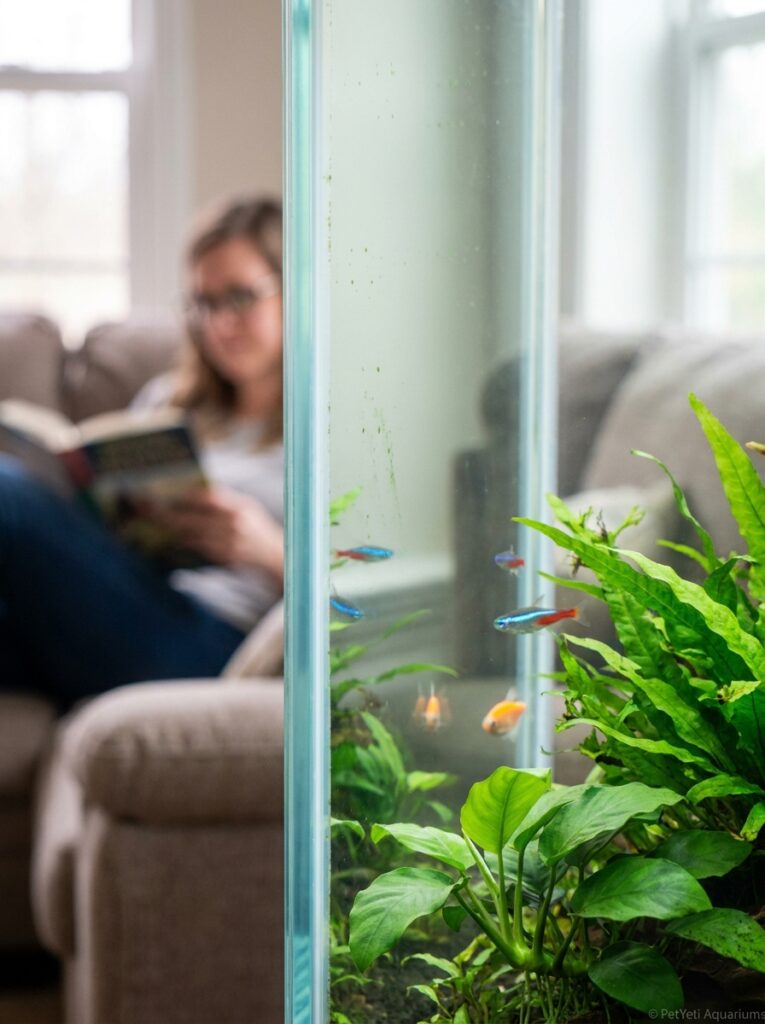
Related PetYeti Guides
Fast algae growth is usually connected to light, nutrients, plant health, and maintenance habits. These related guides can help you fix the root cause and keep the aquarium easier to manage long term.
Why Is My Aquarium Water Green?
Use this if the water itself looks green or cloudy from free-floating algae.
Best Aquarium Lighting Ideas for Beginners
Use this if your lighting schedule, brightness, or direct sunlight may be fueling algae.
How to Test Aquarium Water Correctly
Use this if you want to check whether nitrate or other water quality issues are contributing to algae growth.
How to Keep an Aquarium Looking Clean and Beautiful
Use this if you want a simple routine for keeping glass, plants, and decorations looking cleaner.
CONCLUSION
Fast-growing algae can be frustrating, but it usually isn’t a sign that your aquarium is failing.
In most cases, algae is simply responding to an imbalance involving light, nutrients, plant growth, or maintenance habits.
The key isn’t trying to eliminate every trace of algae.
The key is creating a healthier balance where algae no longer has the advantage.
Small adjustments often produce better long-term results than drastic changes.
With consistent care, healthy plants, and a little patience, most aquariums can reach a point where algae becomes an occasional maintenance task rather than a constant battle.
FAQs
Why is algae suddenly growing so fast in my aquarium?
Rapid algae growth is often triggered by excess light, excess nutrients, inconsistent maintenance, or a newly established aquarium that hasn’t fully stabilized yet.
Does too much light cause aquarium algae?
Yes. Long lighting periods and direct sunlight can encourage algae growth, especially when plants can’t use all of the available light.
Will adding more plants reduce algae?
Healthy plants compete with algae for nutrients and light. In many cases, adding easy aquarium plants can help improve overall balance.
Is algae bad for fish?
Small amounts of algae are usually harmless. The bigger concern is identifying the underlying imbalance that is causing excessive algae growth.
Why does algae keep coming back after I clean it?
Algae often returns when the root cause remains unchanged. Removing the algae helps temporarily, but controlling light, nutrients, and maintenance habits usually produces better long-term results.